Markets Briefing
Platinum mining in South Africa: a contractor's briefing
Platinum mining in South Africa: about 256 tonnes of PGMs in 2024 and most world reserves. Where, how, rules, logistics and risks for surface contractors.
Contents 8 sections
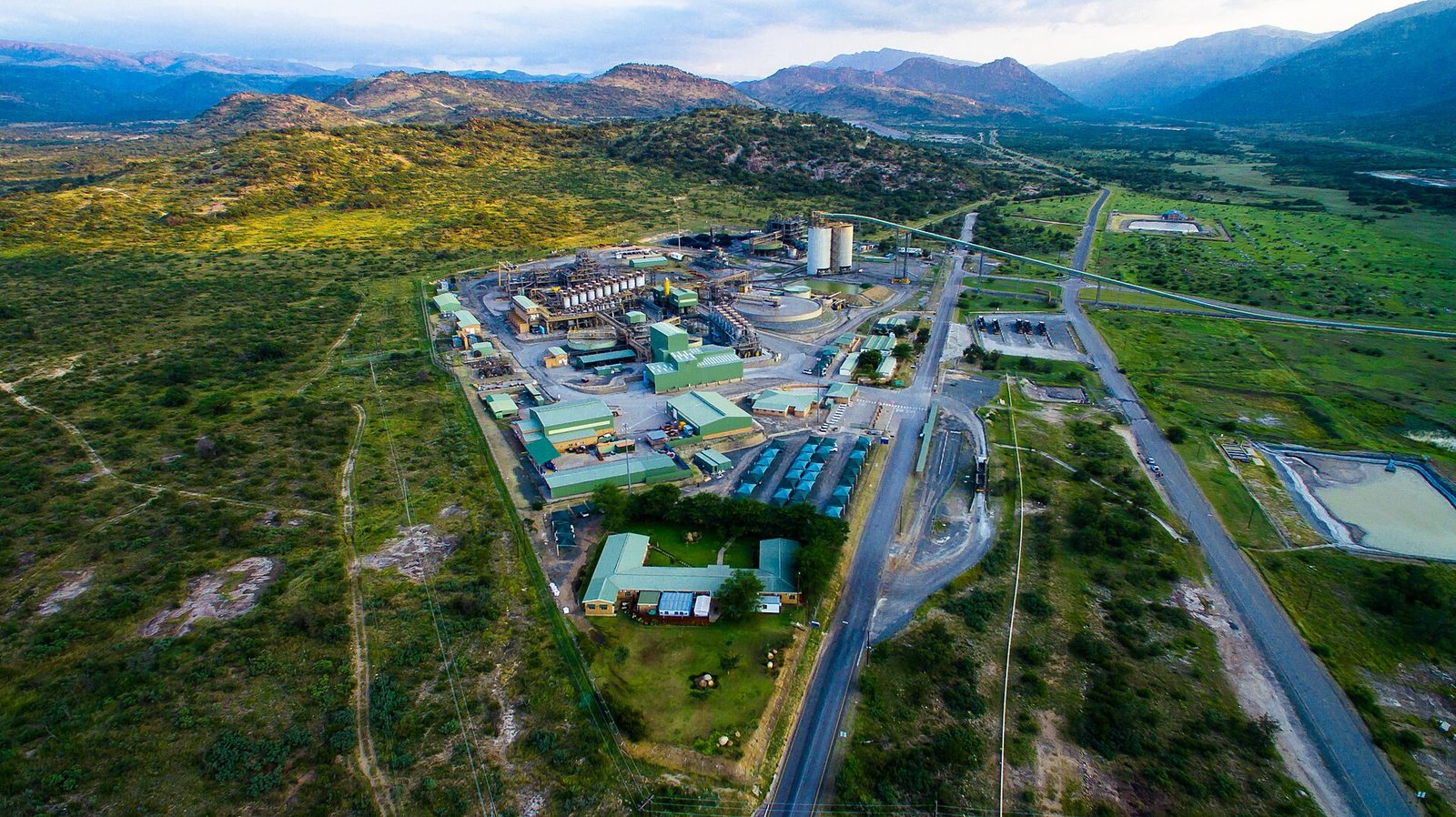
South Africa mined 256.5 tonnes of platinum group metals (PGMs) in 2024 and an estimated 246 tonnes in 2025. It holds about 63,000 of the world’s 76,000-plus tonnes of PGM reserves, and the largest of them lie in the Bushveld Complex in North West and Limpopo. Most output comes from deep underground mines. Surface contractors work mainly in a few large open pits, on ore and waste haulage and tailings, and on the chrome that platinum concentrators recover.
Figures checked 25 Sep 2026. The next Stats SA mining release, for August 2026, is due on 13 Oct 2026.
Platinum mining in South Africa: key figures
| Measure | Figure | Year | Source |
|---|---|---|---|
| PGM production, South Africa | 256,535 kg | 2024 | DMPR data in Minerals Council datasheets |
| PGM production, South Africa (estimate) | about 246 tonnes, down about 4.1% | 2025 | Minerals Council, Facts and Figures 2025 |
| Platinum mine production, South Africa (estimate) | 120 tonnes of a world 170 tonnes | 2025 | USGS MCS 2026 |
| Palladium mine production, South Africa (estimate) | 70 tonnes of a world 190 tonnes | 2025 | USGS MCS 2026 |
| PGM reserves, South Africa | 63,000 tonnes of a world total over 76,000 tonnes | 2025 | USGS MCS 2026 |
| Direct employees, PGM mining | 173,424 | 2024 | DMPR data in Minerals Council datasheets |
| Total PGM sales | R173.1 billion, down 11.7% | 2024 | DMPR data in Minerals Council datasheets |
| Platinum price, annual average | US$1,288.40 an ounce, up 33.5% | 2025 | Minerals Council, from Johnson Matthey |
| Refined platinum supply, South Africa | 3,957 koz (2025), 4,005 koz forecast (2026) | 2025 to 2026 | WPIC Platinum Quarterly Q1 2026 |
| PGM weight in Stats SA mining production index | 27.11%, the largest of any mineral group | Weights from 2022 value added | Stats SA P2041 |
| PGM production, year on year | down 13.5% | Jul 2026 | Stats SA P2041 |
| PGM sales | R17,567.8 million in the month, up 3.2% | Jul 2026 | Stats SA P2041 |
Sources: Minerals Council Facts and Figures 2025, Minerals Council 2024 datasheets, USGS MCS 2026 PGMs, WPIC Q1 2026, Stats SA P2041 July 2026, all read 25 Sep 2026.
Prices rose in 2025 while output fell. The Minerals Council puts the fall down to “severe weather and flooding in the first quarter of 2025” and says production remains “roughly 8.3% below pre-COVID benchmarks”. PGM mining accounted for 37.6% of South African mining employment in 2022 (USGS). Stats SA gives PGMs the largest weight in its production index, so a bad month for platinum is a bad month for mining.
Where platinum is mined
The Bushveld Complex is exposed in three limbs, and each limb carries its own reefs. The western and eastern limbs carry the UG2 and Merensky reefs, and the northern limb carries the Platreef (Langa et al., Mineralium Deposita, 2020). According to the Minerals Council, PGM miners are “predominantly located in the North West and Limpopo provinces”.
USGS places Amandelbult on the western limb and Mogalakwena on the northern limb (USGS 2022 Minerals Yearbook, South Africa). Tharisa describes its mine as on the south-western limb (Tharisa FY2025 results). The metal mix differs by limb. USGS notes the northern limb deposits “tended to be relatively richer in palladium”. It also says UG2 ore is richer in iridium, palladium, rhodium and ruthenium than the Merensky reef.
USGS called Anglo American Platinum, now Valterra Platinum, “the leading producer of PGMs in South Africa” in 2022. Valterra reported 3.2 million ounces of PGMs in concentrate in 2025, down 10%. Own-mined output fell 6%, “primarily due to flooding at Amandelbult” (Valterra Platinum, 25 Feb 2026). Impala Platinum, Sibanye-Stillwater and Northam Platinum are the other large producers in the USGS report.
New mines are rare: WPIC says Ivanhoe’s Platreef mine is “the first greenfield project to be commissioned since Styldrift in 2019”.
How it is mined and where contractors work
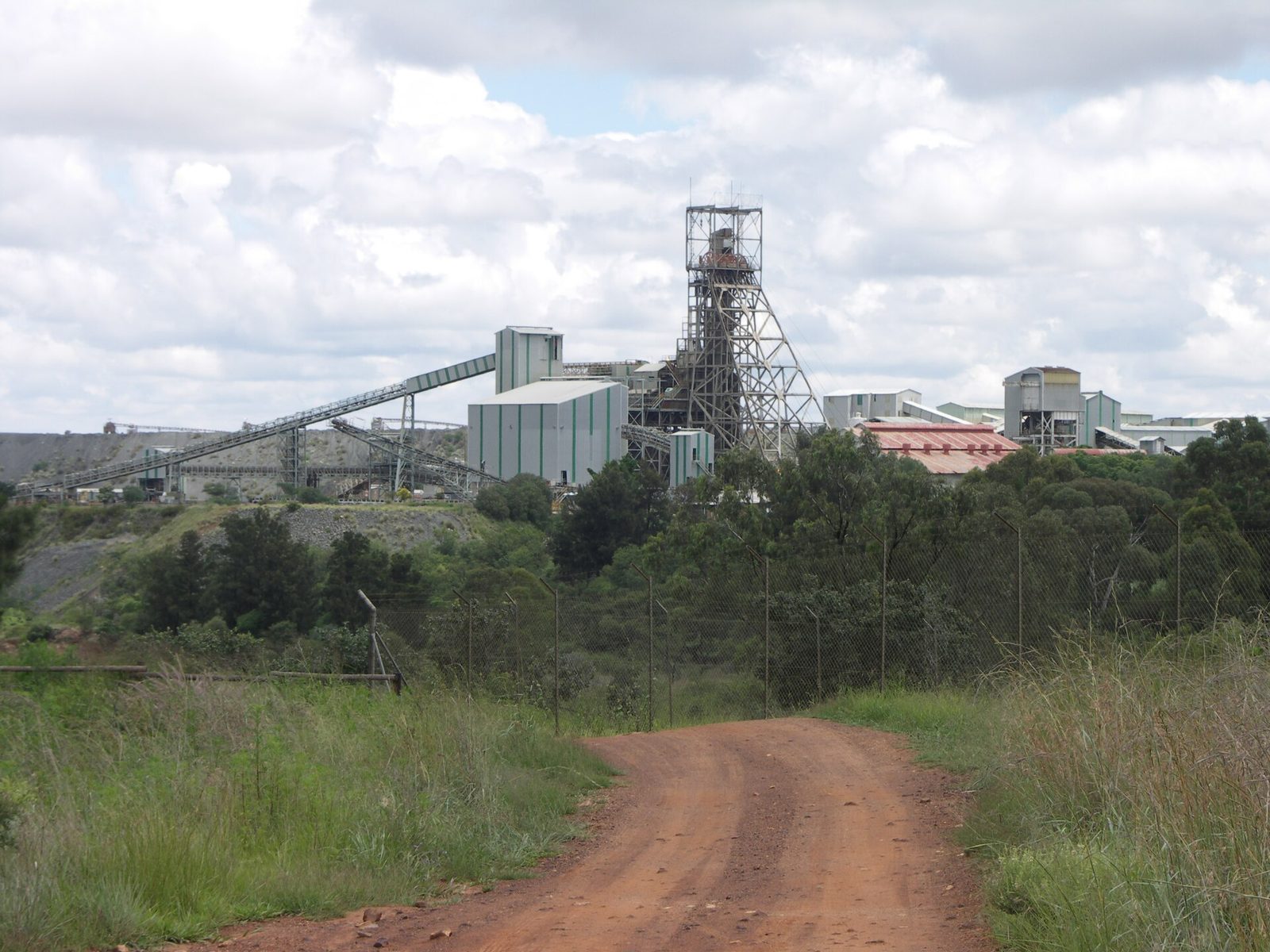
“Most PGM production takes place in deep-level underground mines,” says the Minerals Council, with high fixed costs “for ventilation, cooling and pumping”. That work belongs to underground contractors. The surface work sits in these places.
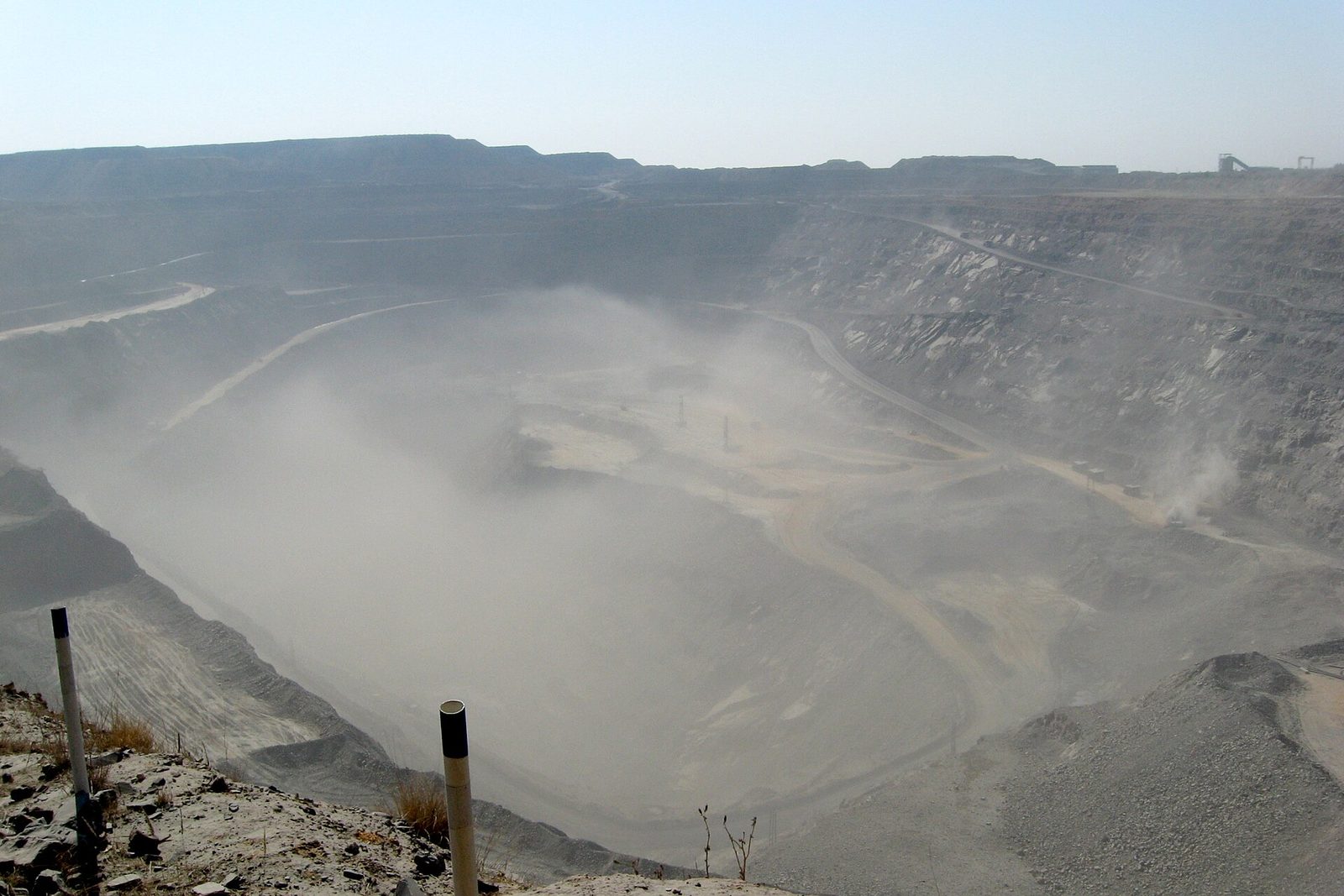
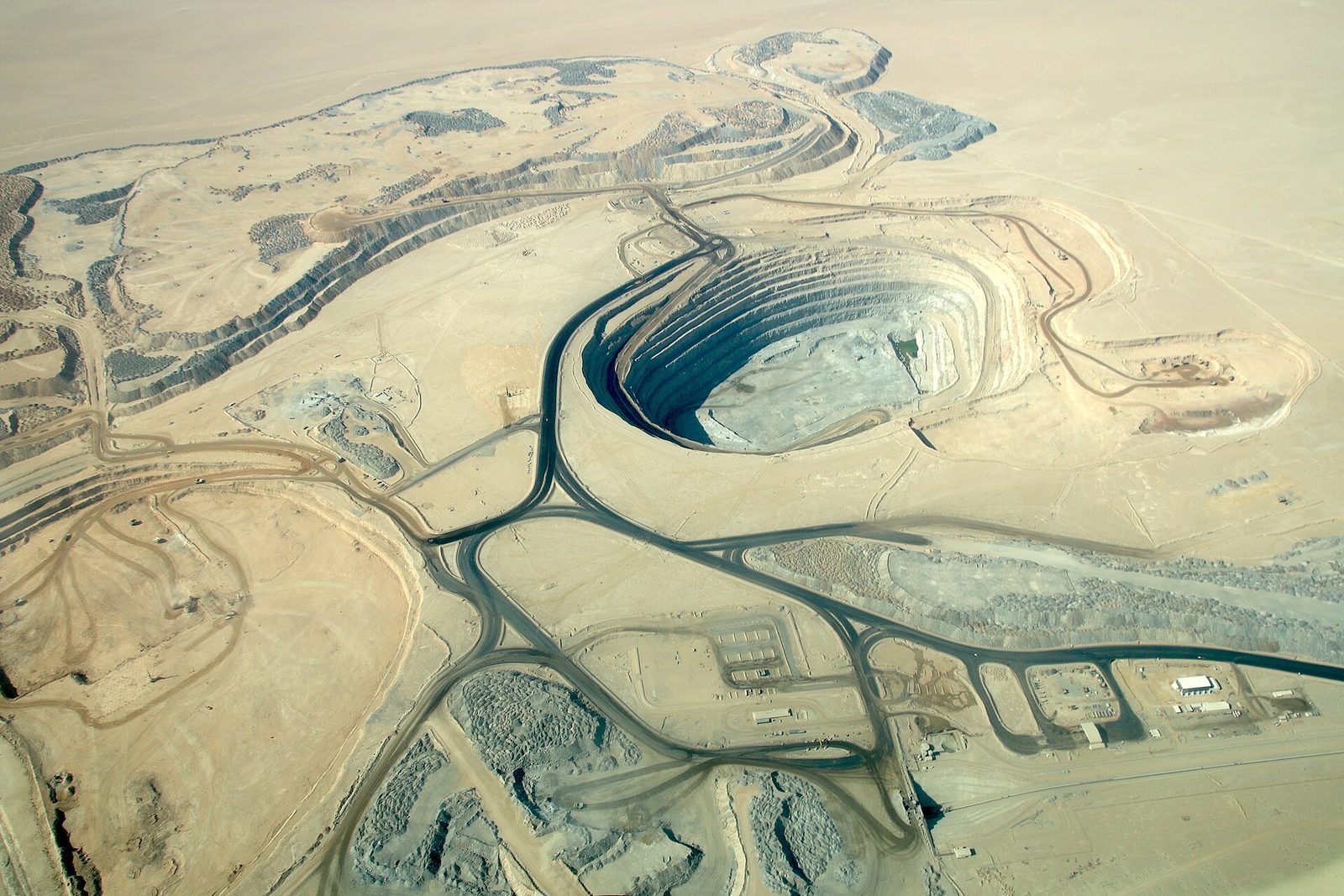
- Open pits. Mogalakwena on the northern limb produced 36% of the mined PGM output of Anglo American Platinum and its joint-venture partners in 2022 (USGS). Valterra reported “a 22% reduction in the strip ratio at Mogalakwena” in 2025 from pit optimisation. It plans an investment decision on the Sandsloot underground project at Mogalakwena in the first half of 2027. Tharisa’s open pit on the south-western limb mined 5.4 million tonnes of reef in the year to 30 Sep 2025, up from 4.6 million.
- Concentrate and ore haulage. Valterra’s Jameson Cells at Mogalakwena’s North Concentrator cut mass pull by 21%. That gave “a 21% reduction in the number of trucks on the road since December 2024”. Plant changes like this can shrink road haulage scopes.
- Chrome from UG2. USGS says higher chrome output since 2012 is partly down to “PGM-mining companies producing chromite as a coproduct”. A UG2 concentrator that recovers chrome also produces a bulk product to stockpile and haul. See the chrome briefing.
- Tailings. Retreatment of old UG2 tailings for chrome, as at the Crocodile River Mine (USGS, 2022 Yearbook).
- Surface infrastructure. Stockpiles, waste dumps, haul roads and rehabilitation at shafts and plants.
A pit’s strip ratio drives the contractor’s waste volumes. The strip ratio page explains the arithmetic.
Rules that touch a PGM contract
On site, a contractor works under the Mine Health and Safety Act. The Mine Health and Safety Act guide sets out those duties.
The 2018 Mining Charter set targets of 80% of services and 70% of goods bought from South African companies (USGS, 2022 Yearbook). On 21 Sep 2021 the High Court held the Charter to be policy. It set aside “the provisions around procurement of goods and services (especially the capital goods target), and supplier and enterprise development” (Daily Maverick, 22 Sep 2021).
The draft Mineral Resources Development Bill of 2025 “aims to reform licensing, community participation and regulatory certainty” (Minerals Council, Facts and Figures 2025). Host communities matter too. The Minerals Council says mining makes up “nearly a third of the North West’s GDP” and that miners face pressure to provide services “typically delivered by local municipalities”.
Logistics and power
PGMs leave South Africa as high-value metal, so the export tonnage is small: DMPR data show 236 tonnes of PGM export sales in 2024. The heavy flows run inward and on site: diesel, reagents, explosives, spares, ore and chrome. Chrome from UG2 plants is a bulk product, and the chrome briefing covers its export routes.
Transnet moved 167.9 million tonnes by rail in the year to 31 Mar 2026, up 4.9%. It has signed access agreements with 11 private train operators, the first expected in 2026/27 (SAnews, 11 Sep 2026).
Power is a heavy cost. The Minerals Council says electricity tariffs “have surged by more than 900%” over two decades, and that producers are investing “in renewable and alternative green energy sources”. USGS names “ongoing disruptions to the supply of electricity” as one reason South African PGM output fell an estimated 9% in 2025 (USGS MCS 2026).
Risks and what to watch
Common questions
How much platinum does South Africa produce?
USGS estimates South Africa’s 2025 mine production at 120 tonnes of platinum and 70 tonnes of palladium, out of world platinum output of about 170 tonnes. Across all PGMs, DMPR data put 2024 production at 256.5 tonnes, and the Minerals Council estimates about 246 tonnes for 2025.
Where are South Africa’s platinum mines?
On the Bushveld Complex, mainly in North West and Limpopo. The western and eastern limbs are mined on the Merensky and UG2 reefs, and the northern limb, where Mogalakwena sits, on the Platreef.
Is platinum mined underground or in open pits?
Mostly underground. The Minerals Council says most PGM production comes from deep-level underground mines. Open pits include Valterra Platinum’s Mogalakwena on the northern limb and Tharisa on the south-western limb.
Sources
- Minerals Council South Africa, Facts and Figures 2025 Pocketbook (launched 9 Feb 2026), read 25 Sep 2026
- Minerals Council South Africa, Facts and Figures 2024 datasheets, DMPR data (5 Aug 2025), read 25 Sep 2026
- USGS, Mineral Commodity Summaries 2026: Platinum-group metals (Feb 2026), read 25 Sep 2026
- Stats SA, Mining: Production and sales, July 2026 (P2041) (10 Sep 2026), read 25 Sep 2026
- USGS, 2022 Minerals Yearbook: South Africa (Dec 2025), read 25 Sep 2026
- Langa et al., Mineralium Deposita (2020), read 25 Sep 2026
- Valterra Platinum, annual results 2025 short-form announcement (25 Feb 2026), read 25 Sep 2026
- Tharisa plc, annual results for the year ended 30 Sep 2025, read 25 Sep 2026
- World Platinum Investment Council, Platinum Quarterly Q1 2026 (18 May 2026), read 25 Sep 2026
- SAnews, Transnet records profit (11 Sep 2026), read 25 Sep 2026
- Daily Maverick, High Court ruling on Mining Charter (22 Sep 2021), read 25 Sep 2026