
The terms used on surface mines and in mining contracts, each defined in one sentence and then explained with the formula, units and a worked example where one helps.
B
-
BCM (bank cubic metre)
A bank cubic metre (BCM) is one cubic metre of rock or soil as it lies in the ground, before it is dug.
-
Bench
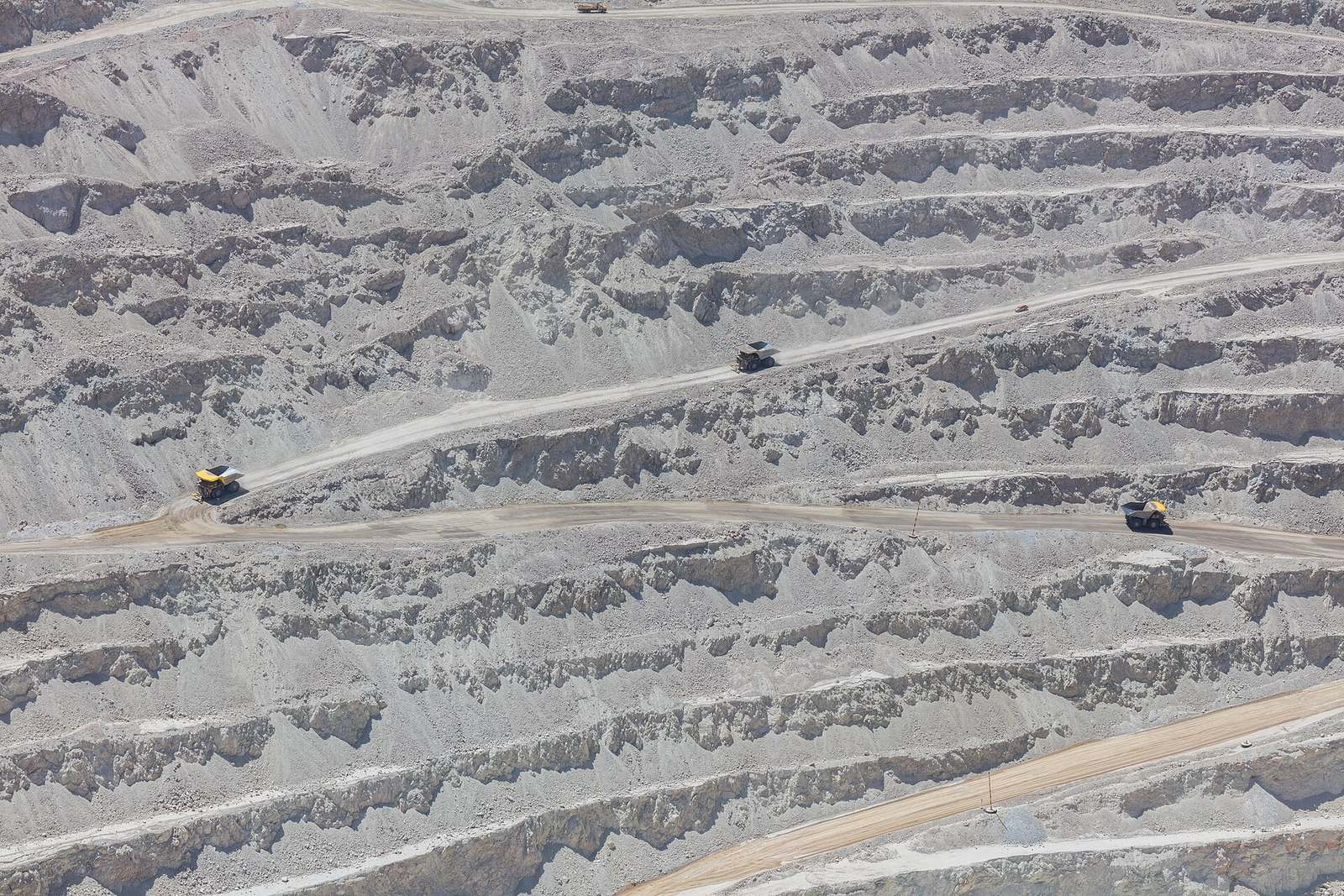
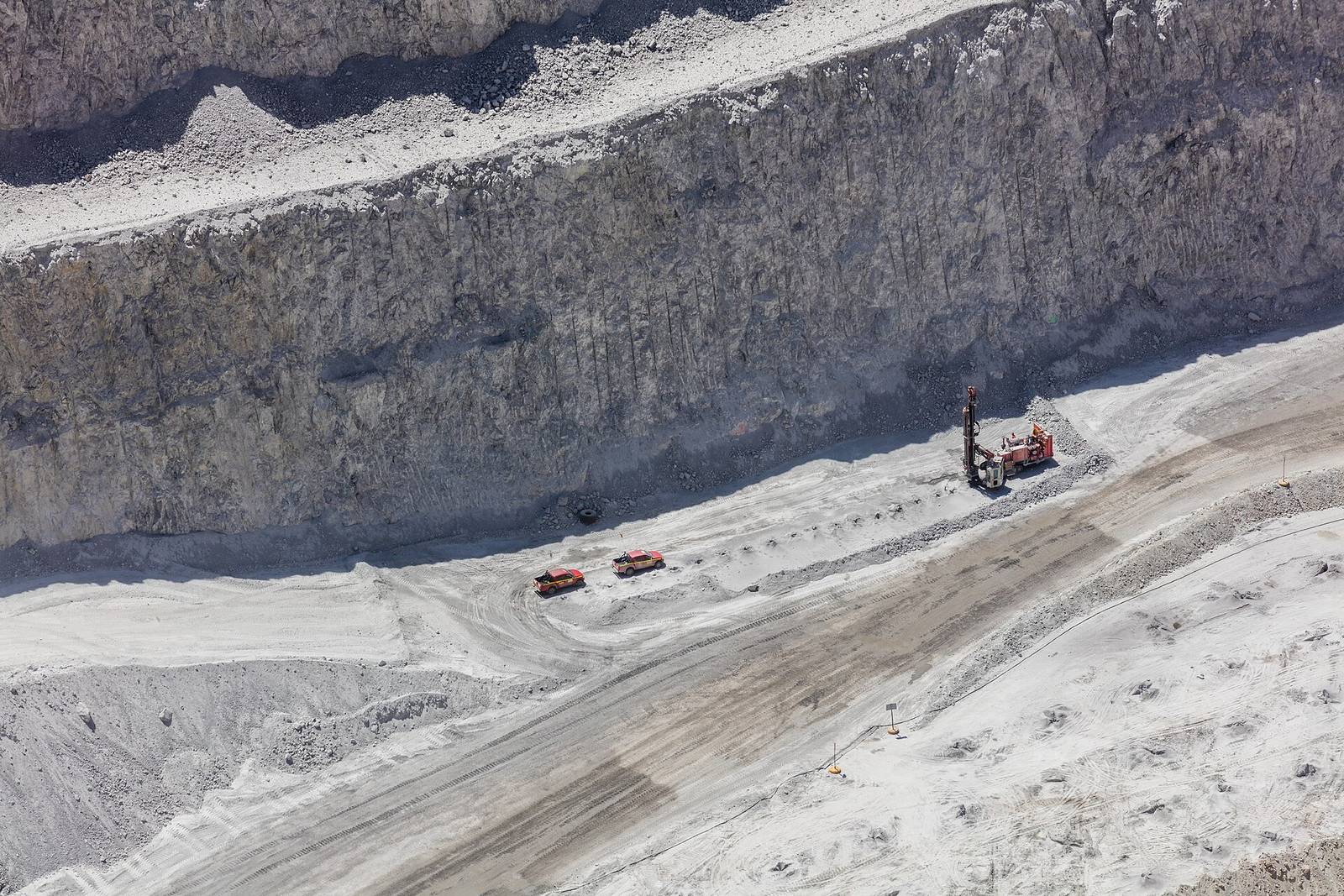
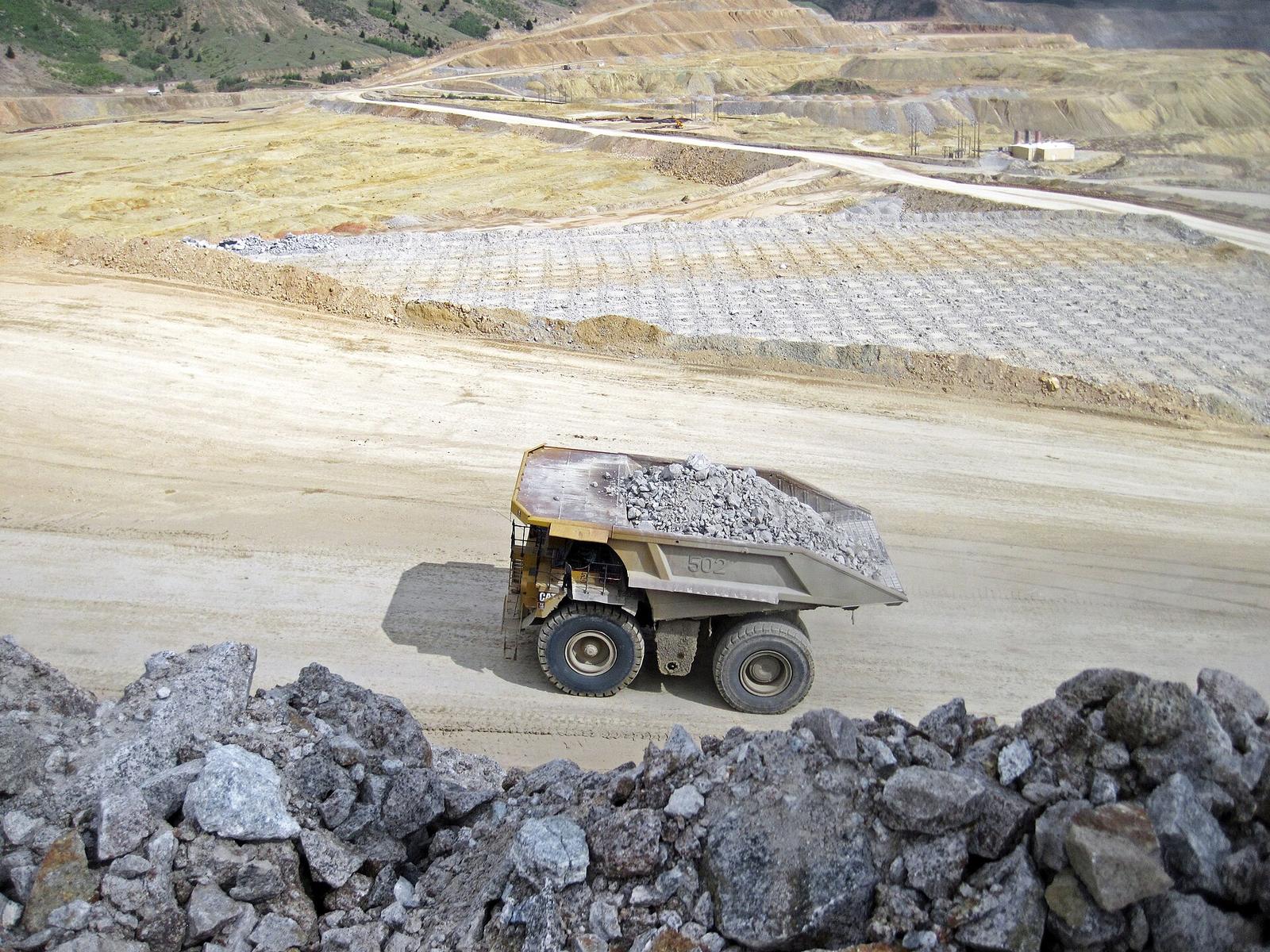
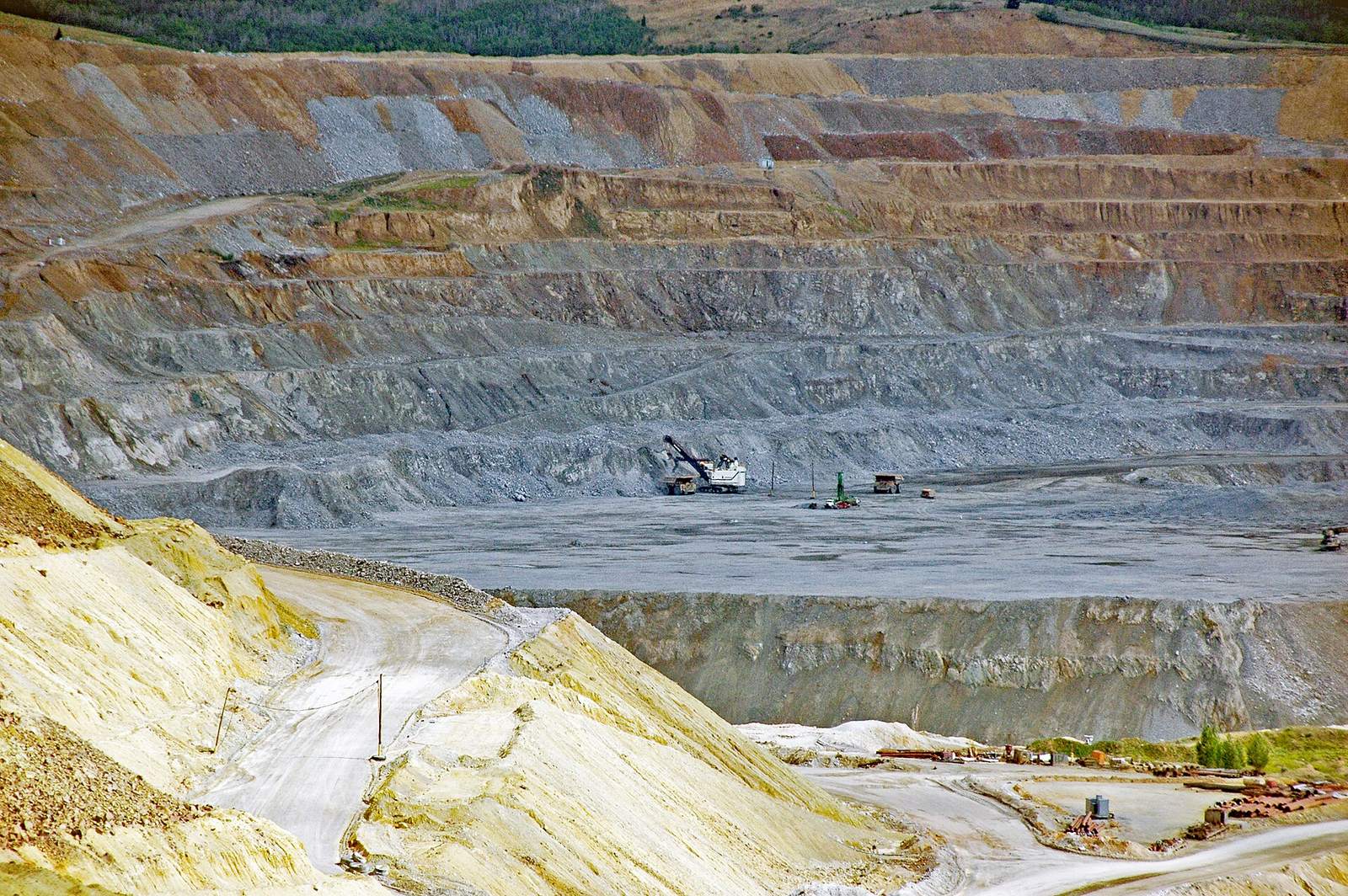
A bench is a single working level in an open pit or quarry, a ledge from whose face ore or waste is dug, bounded by a crest at the top and a toe at the bottom.
-
Berm (haul road safety berm)
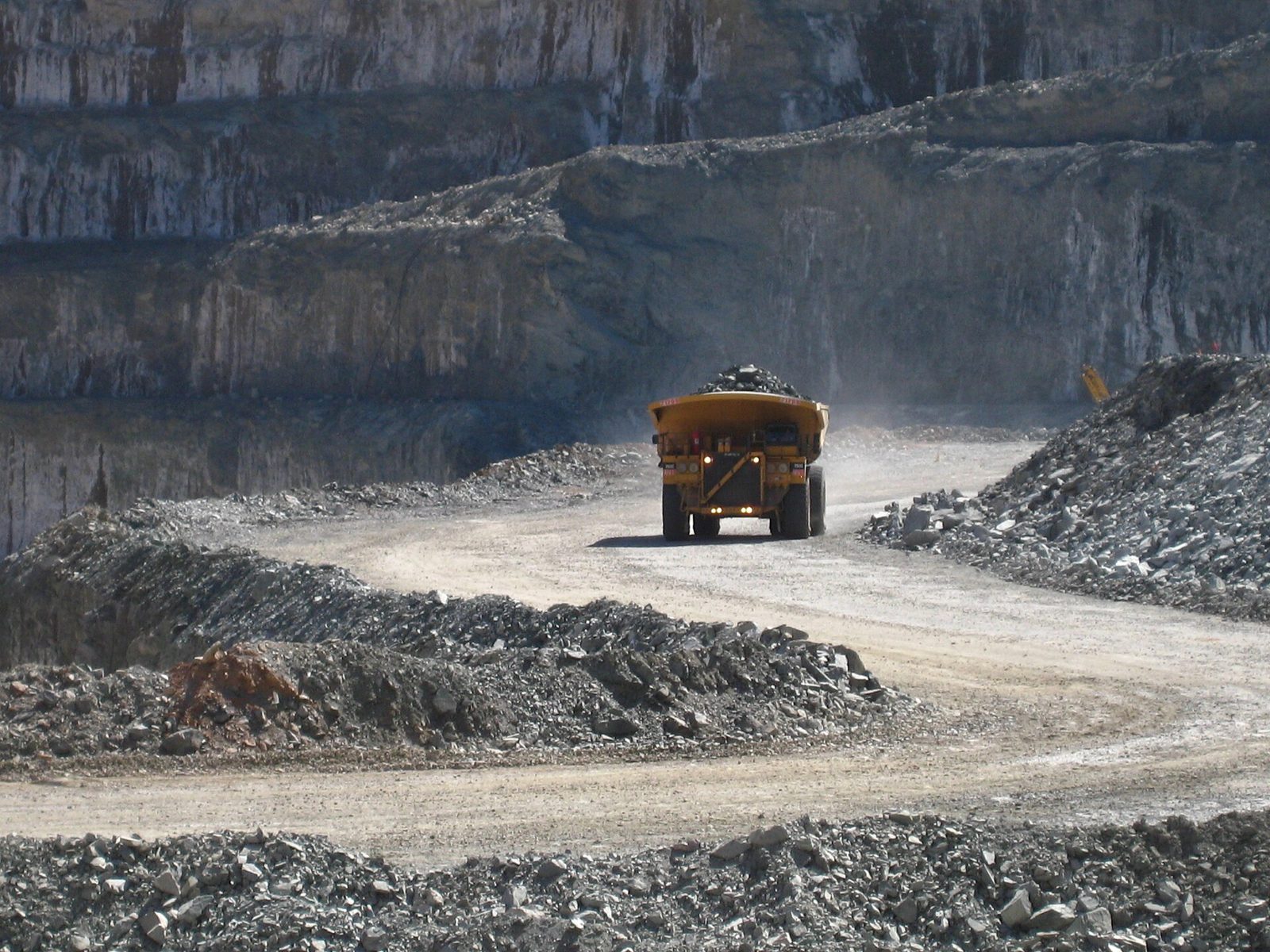
A haul road berm is a bank of material built along the edge of a haul road, or down its centre, to deflect a truck that drifts off its line and to warn the operator that the truck needs to be steered back.
-
Burden (blasting)
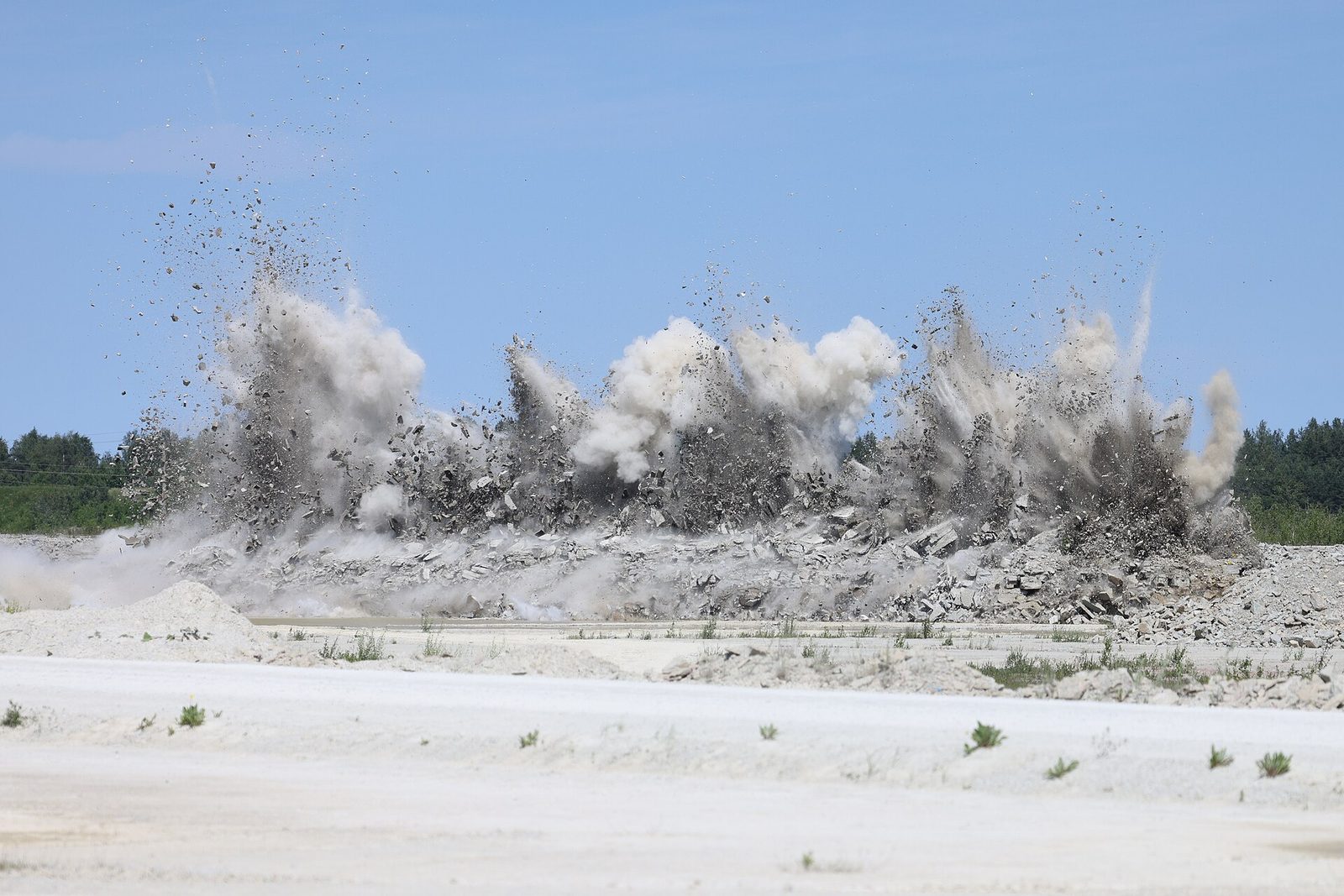
In blasting, the burden is the distance from a blasthole, or a row of blastholes, to the nearest free face the rock can move towards, measured at right angles to the row; in a multi-row pattern it is also the distance between rows.
G
-
Grade resistance
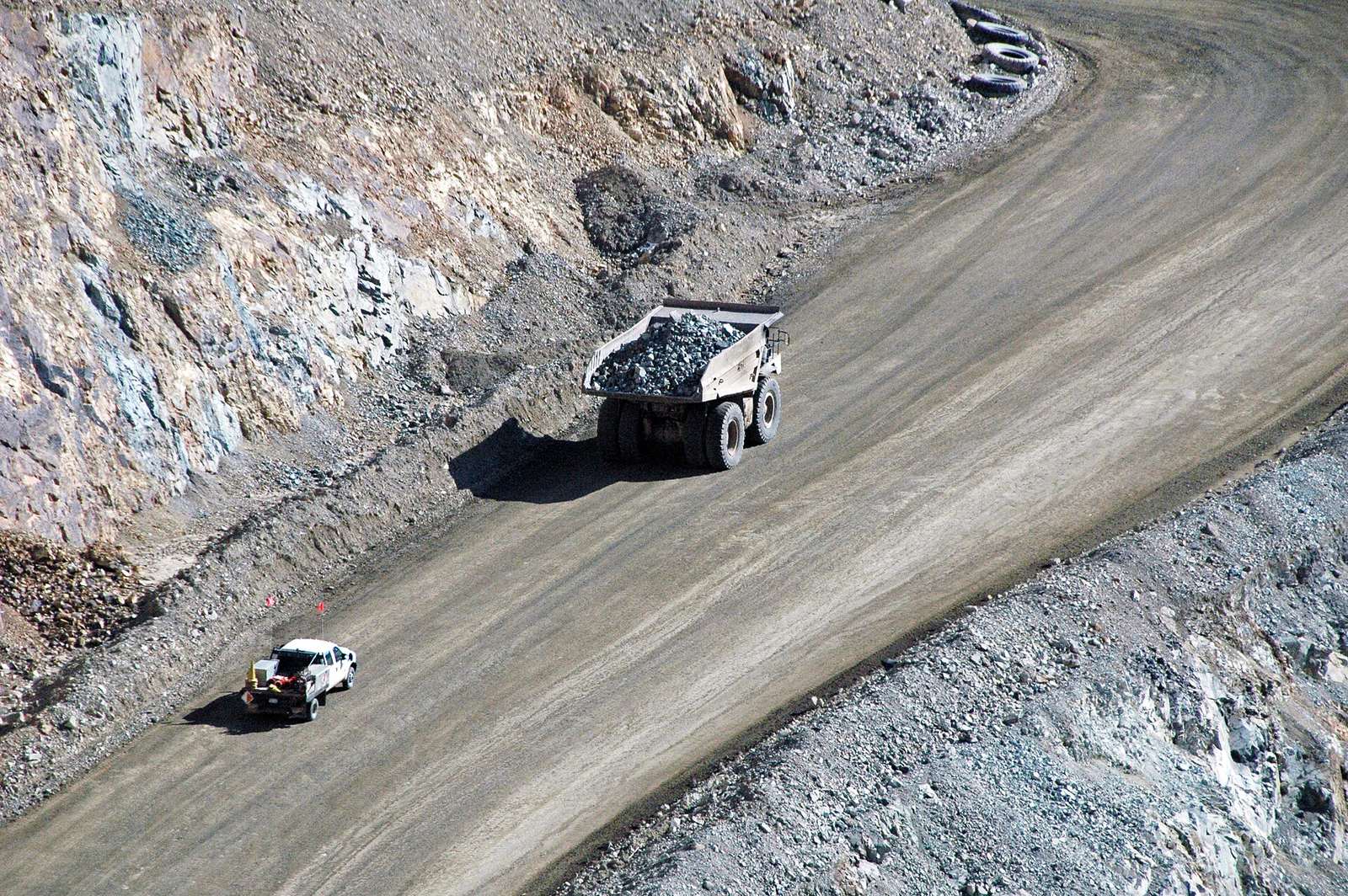
Grade resistance is the extra force a machine must overcome to move up a slope, equal to about 10 kg for every tonne of gross machine weight for each 1% of grade.
J
-
Job card
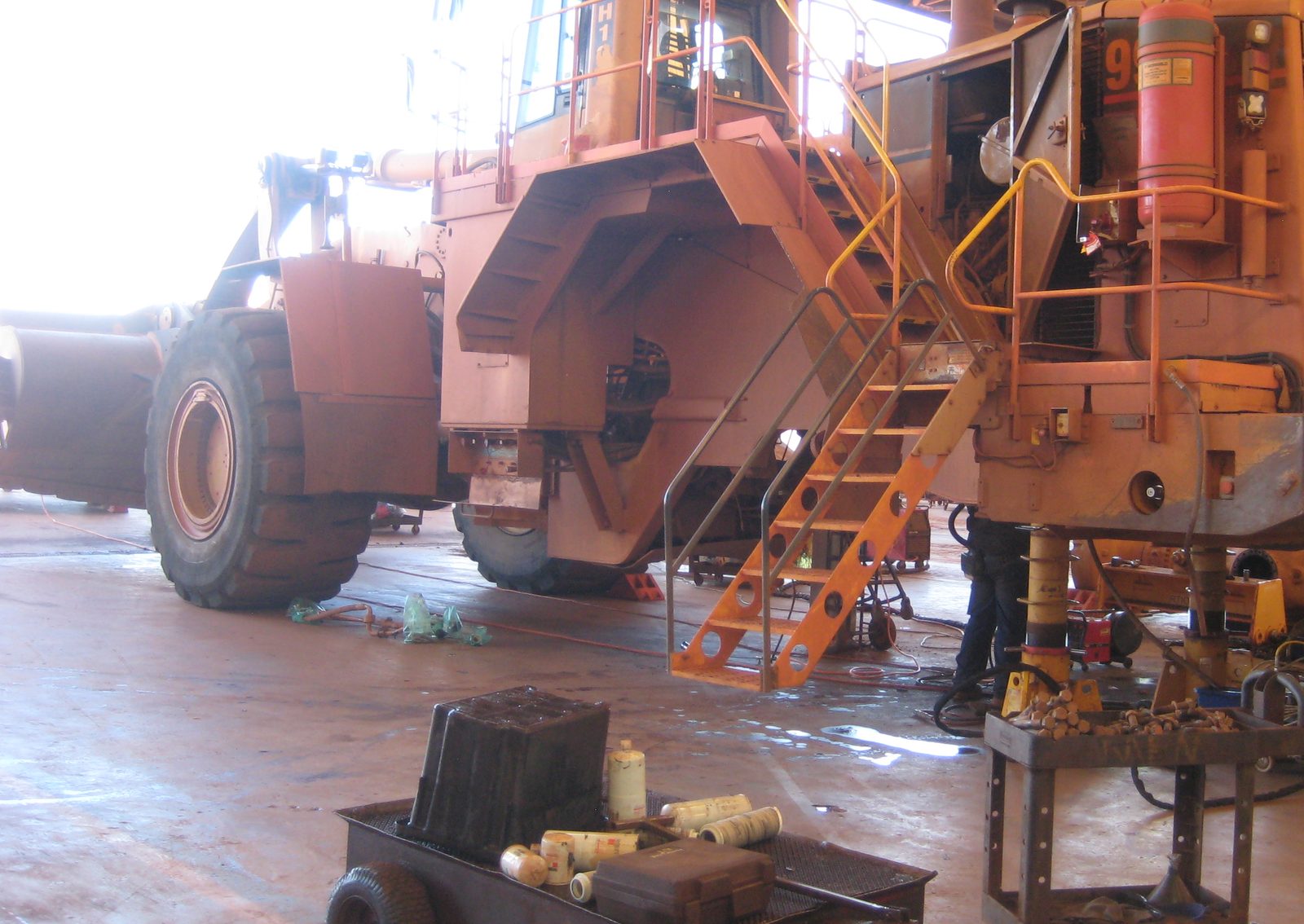
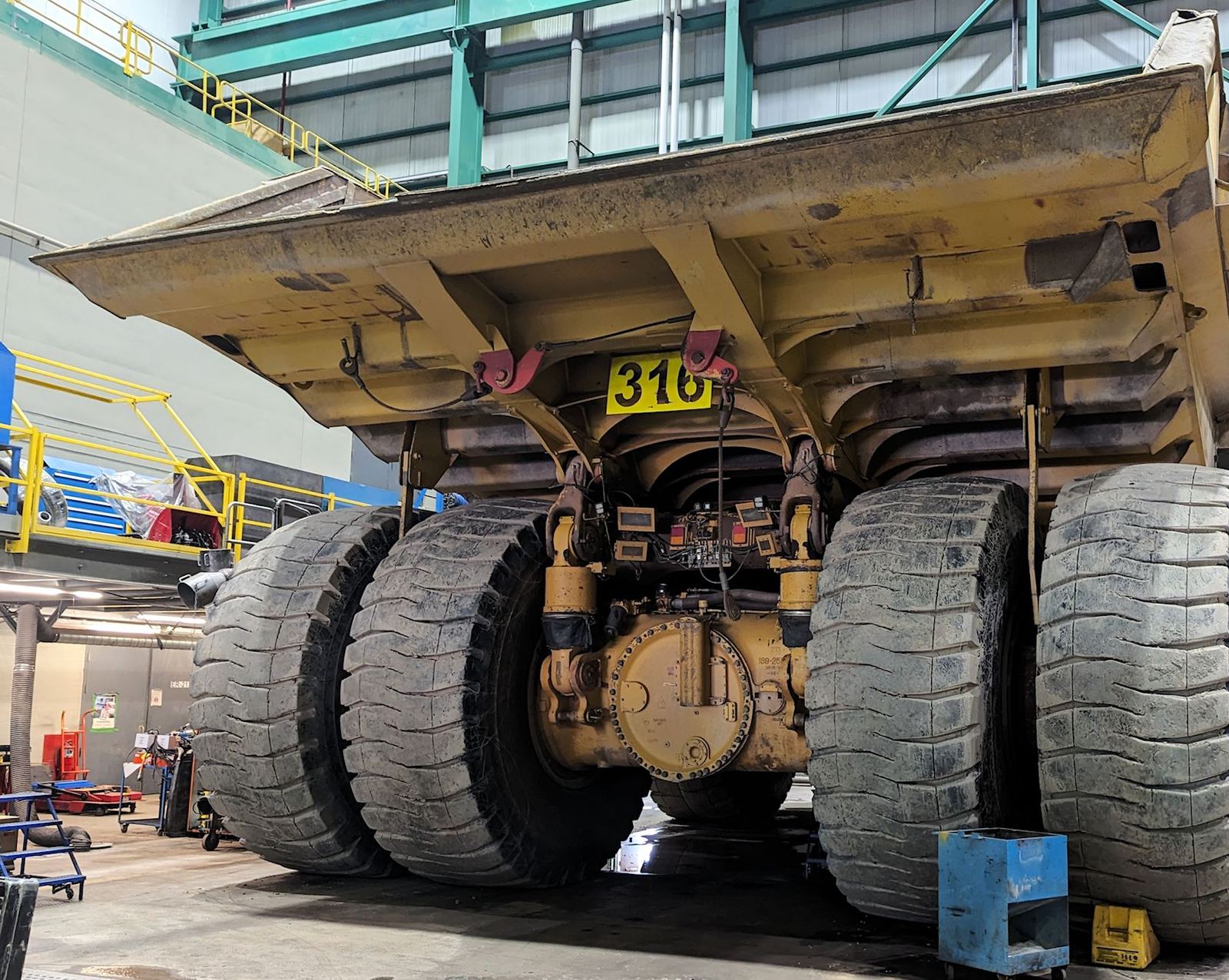
A job card is the written record of one maintenance or repair job on one machine, showing the machine and its hour meter reading, the fault, the work done, the parts and labour hours used, and the signatures that close the job and release the machine back to work.
L
-
Load factor
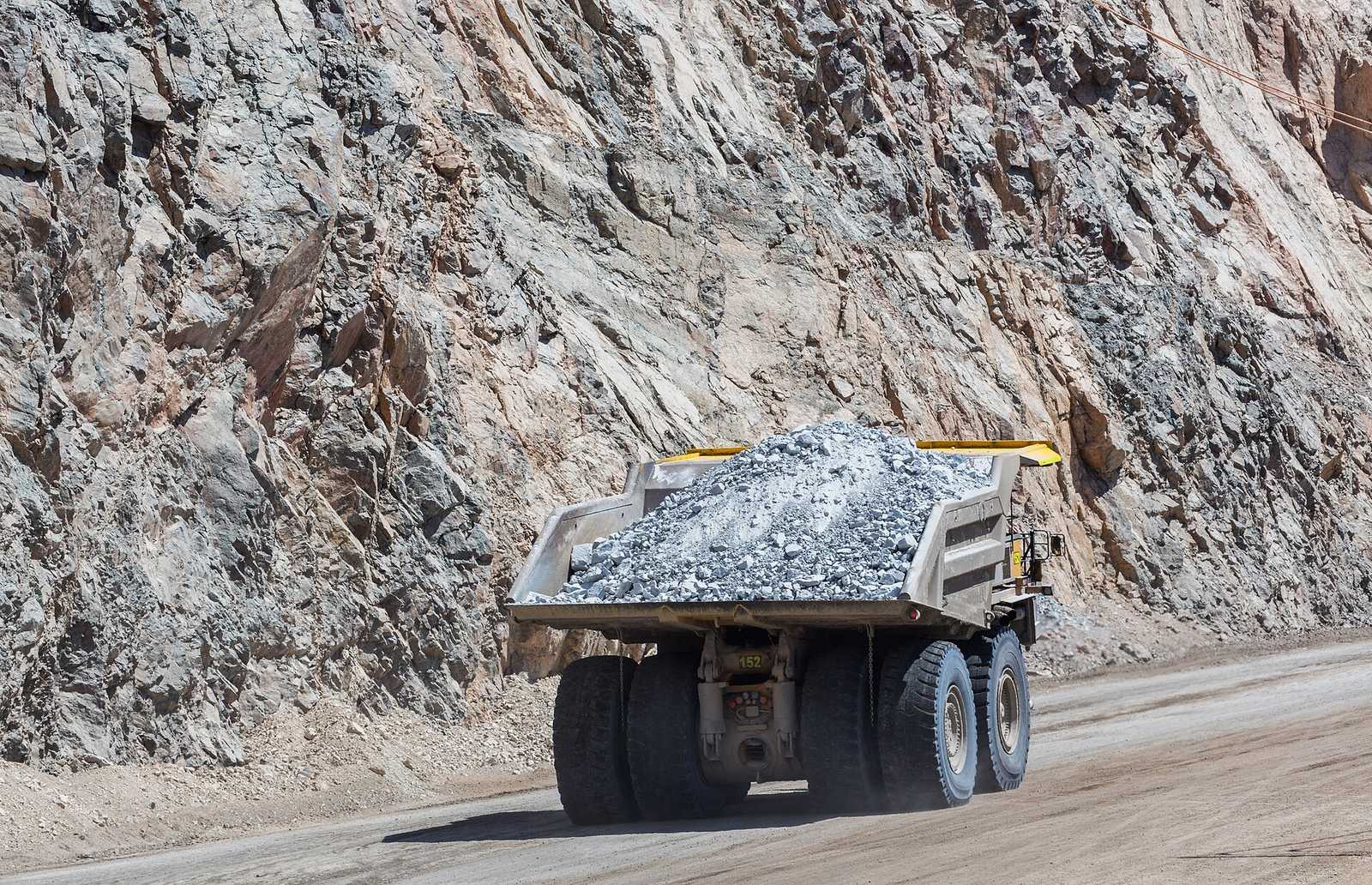
In earthmoving, the load factor is the number you multiply a loose volume by to get the equivalent bank volume, and it equals 100% divided by (100% plus the material's swell percentage).
M
-
Match factor
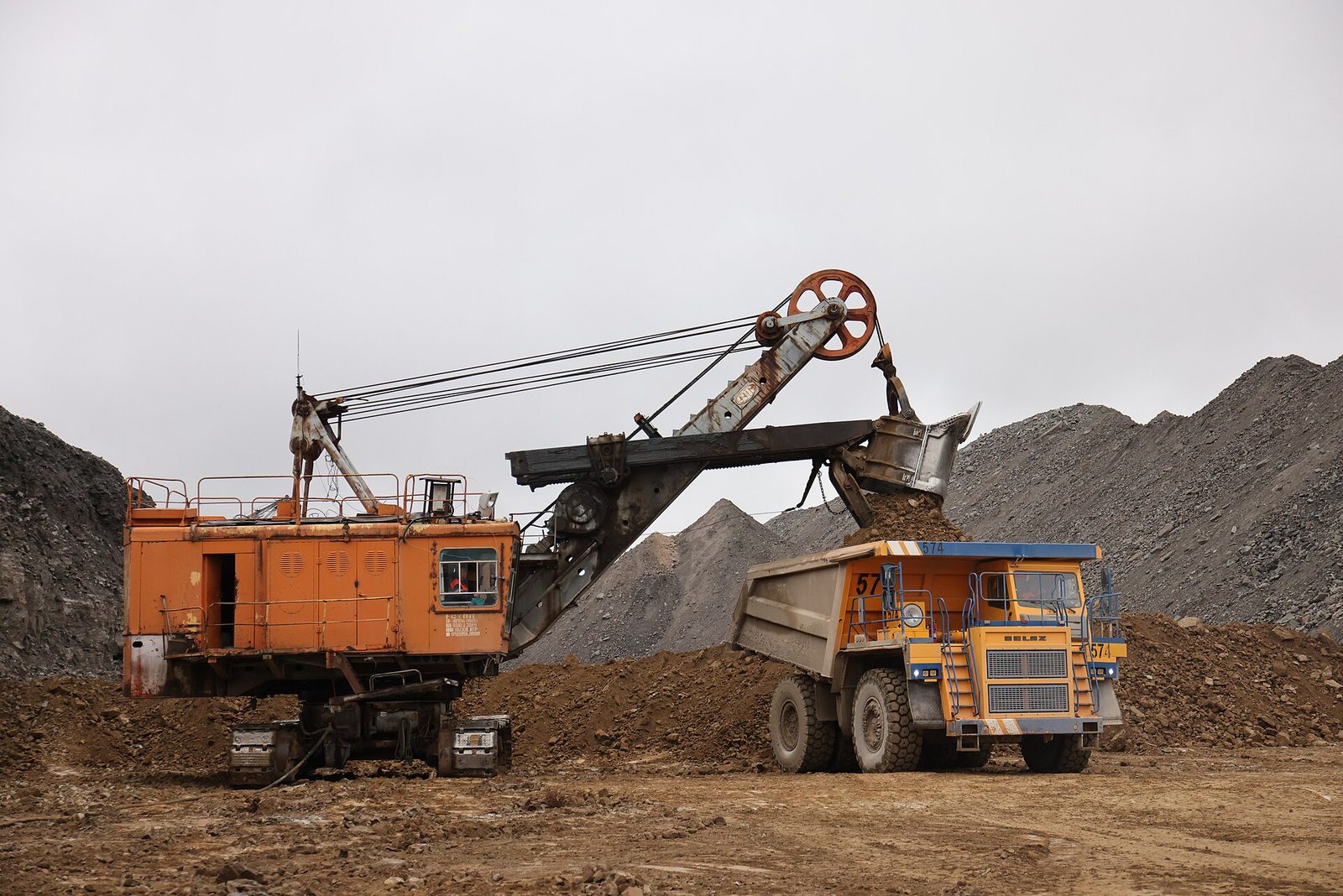
Match factor is the ratio of the rate at which trucks arrive at a loader to the rate at which the loader can fill them, calculated as the number of trucks times the time to load one truck, divided by the number of loaders times the truck cycle time.
-
MTBF
MTBF (mean time between failures) is the average operating time a repairable machine runs between one failure and the next, calculated as total operating hours in a period divided by the number of failures in that period.
-
MTTR
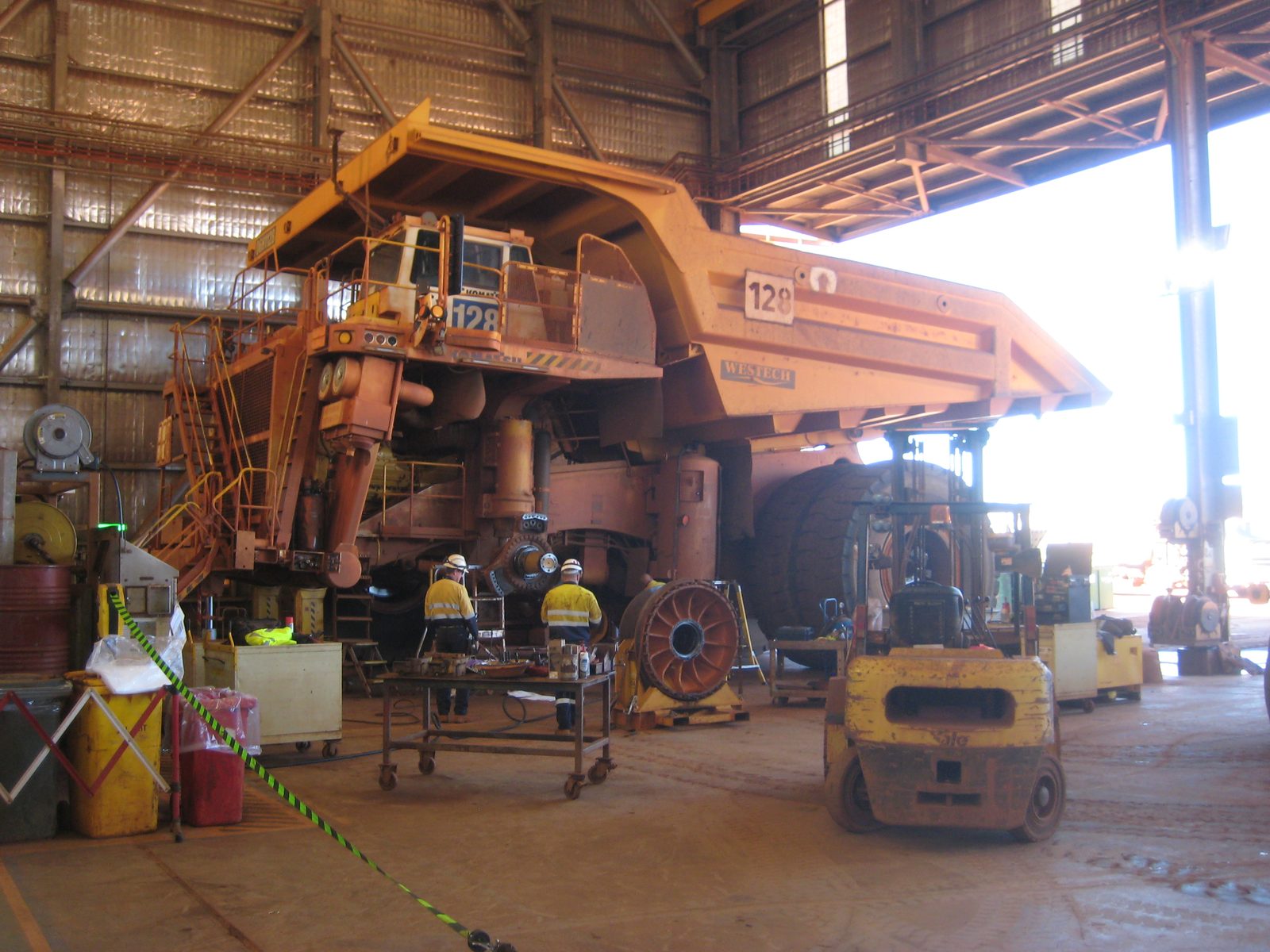
MTTR (mean time to repair, or mean time to restoration) is the average time taken to return a failed machine to working condition, calculated as total repair or restoration time in a period divided by the number of repairs in that period.
R
-
Rolling resistance
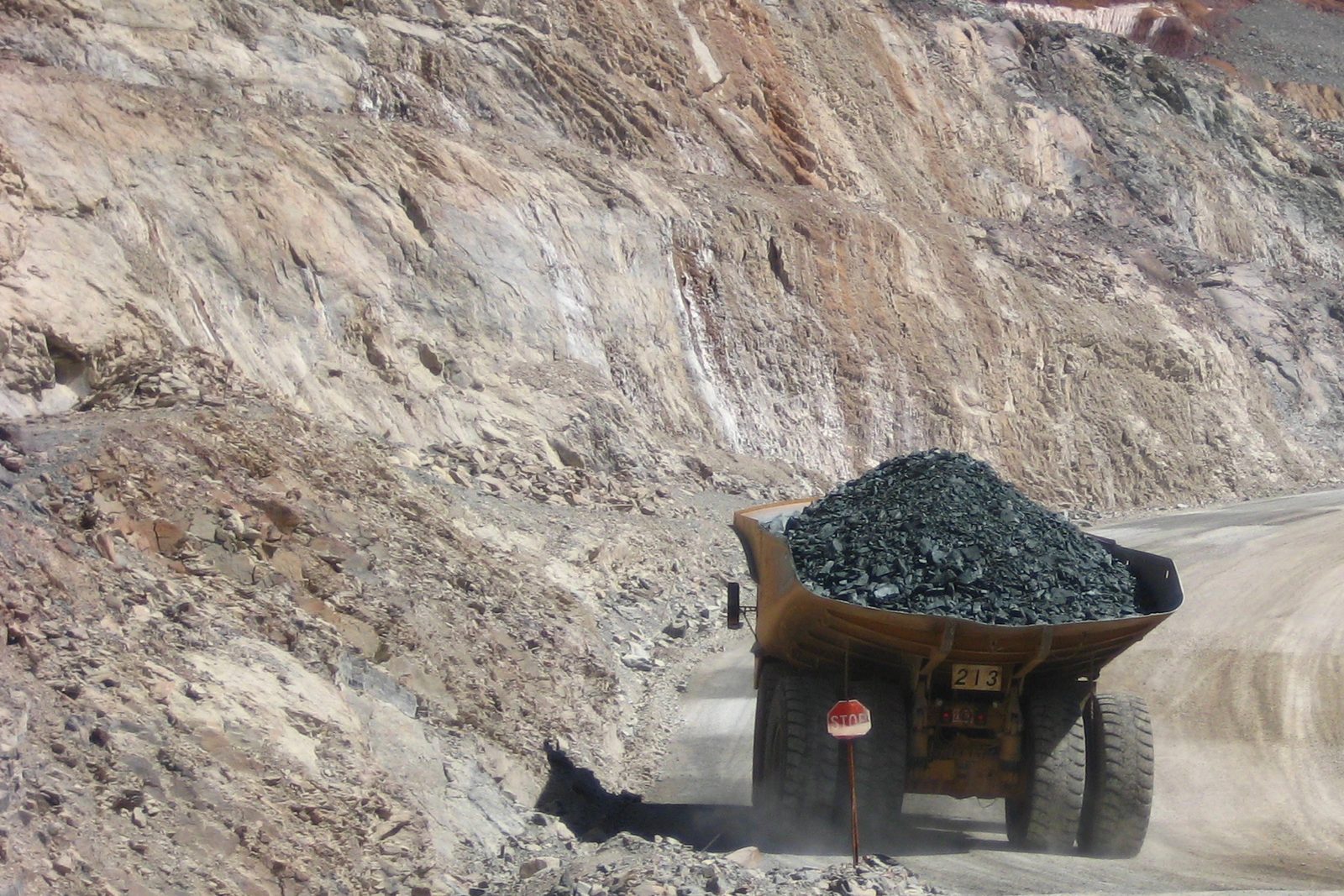
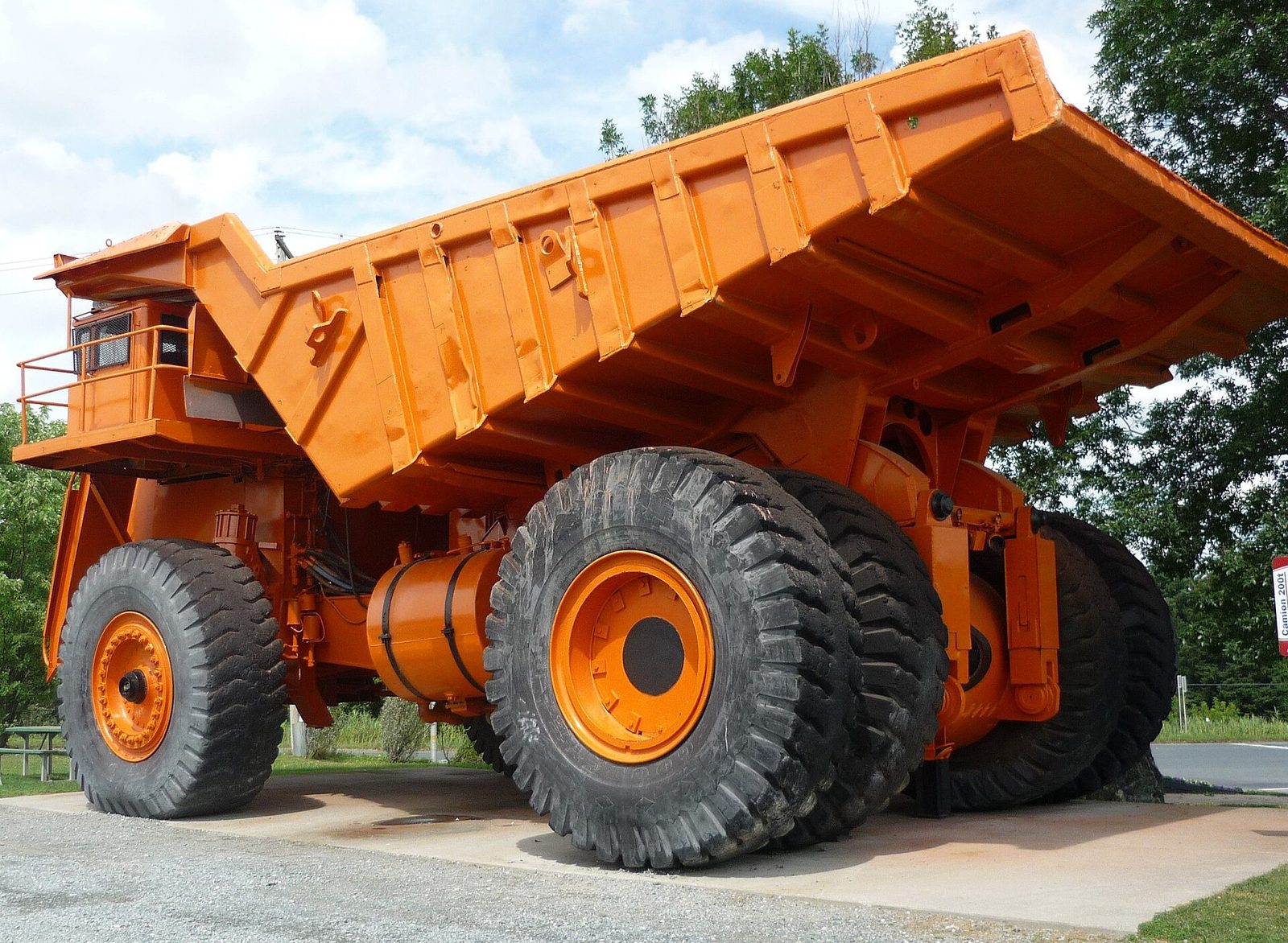
Rolling resistance is the force a haul truck must overcome to roll over the road surface, expressed as a percentage of gross machine weight, where each 1% equals 10 kg of resistance for every tonne the truck weighs.
S
-
Spacing (blasting)
In blasting, spacing is the distance between adjacent blastholes in the same row, measured along the row at right angles to the burden.
-
Standing time
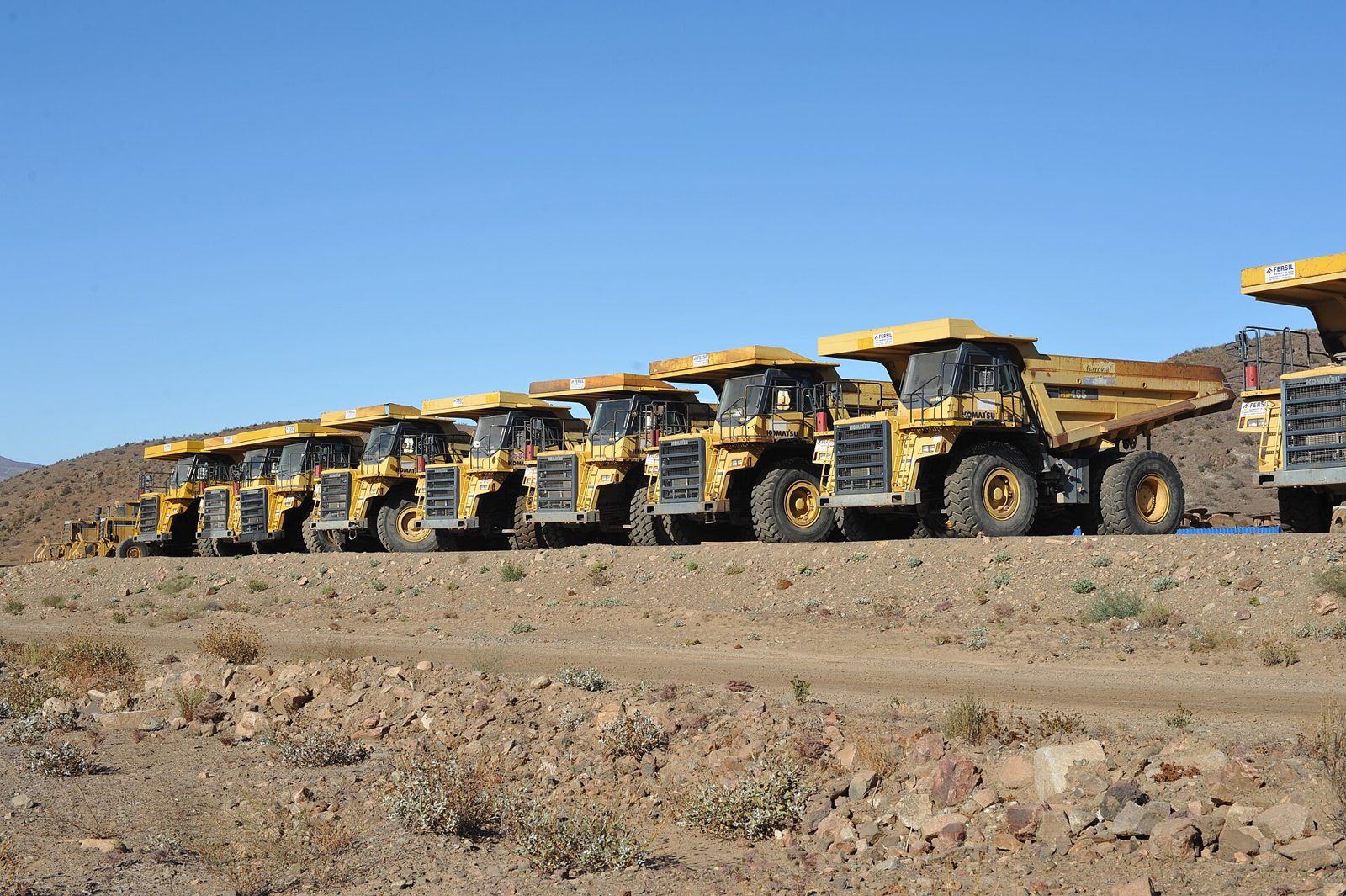
Standing time is time when a contractor's machine, usually with its operator, is on site, available and ready to work, but cannot work for a reason outside the contractor's control, such as a client instruction, a blast or a loader out of digging.
-
Stemming
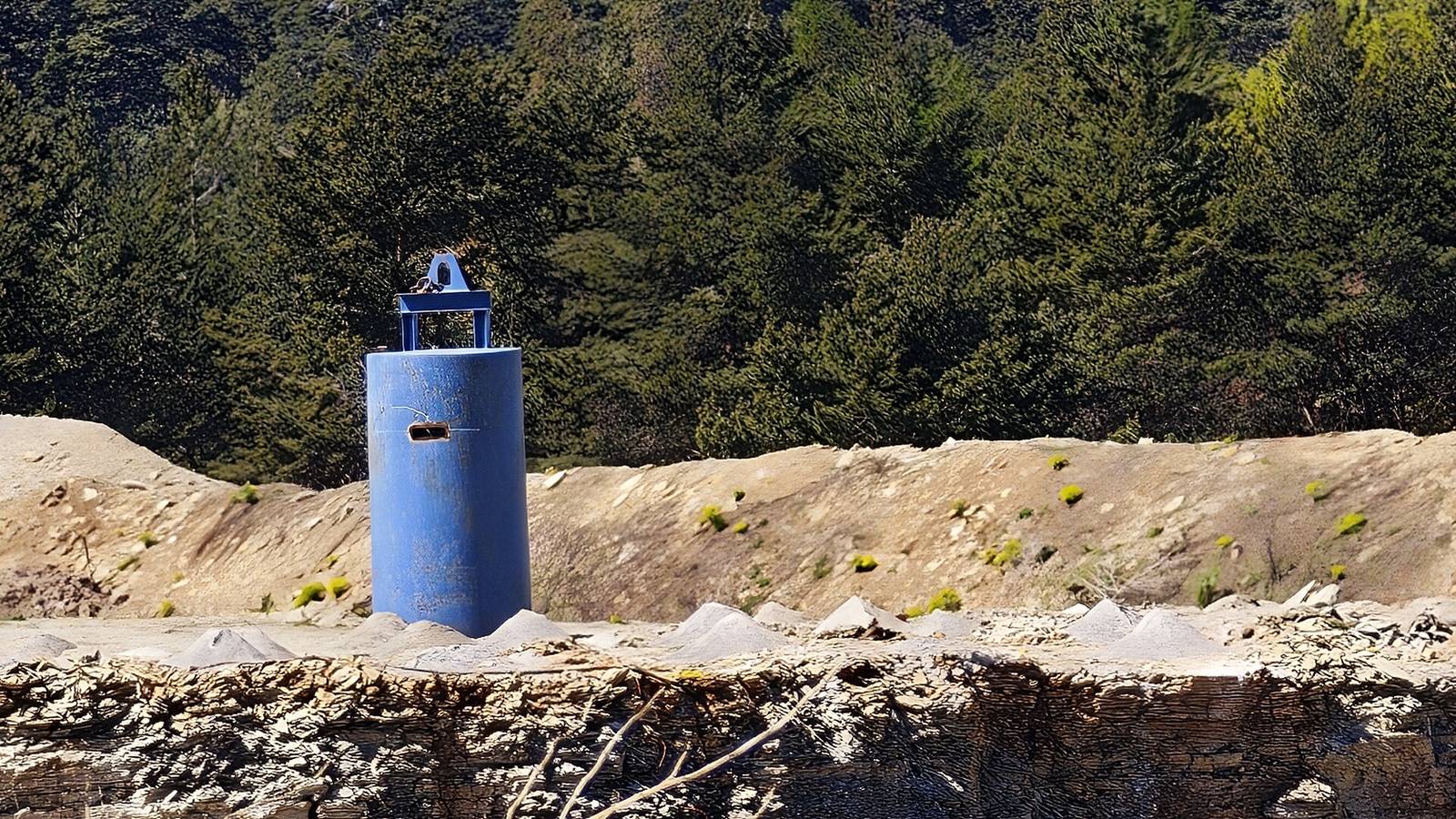
Stemming is the inert material, usually drill cuttings or crushed stone, packed into the collar of a charged blasthole above the explosive to keep the gases confined in the rock for as long as possible.
-
Strip ratio
Strip ratio is the amount of waste rock or soil that must be removed for each unit of ore or coal mined, expressed by volume, by mass, or in South African opencast coal as bank cubic metres of waste per tonne of coal.
-
Swell factor
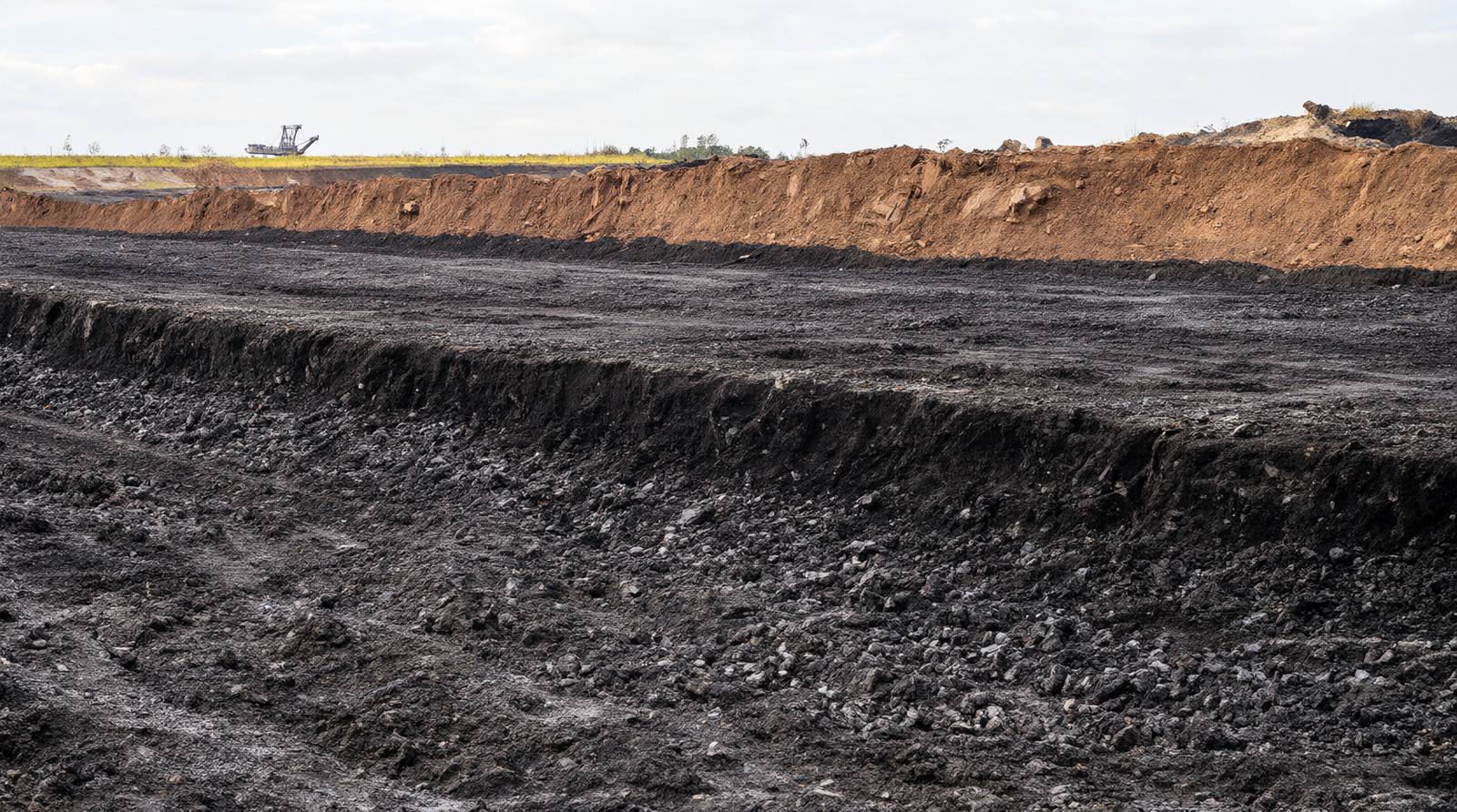
Swell factor is the percentage by which rock or soil increases in volume when it is dug out of its natural bank state, because the broken pieces no longer fit together and leave air gaps between them.
T
-
TKPH
TKPH (tonne-kilometres per hour) is a tyre's working limit: the load and speed it can carry before heat build-up damages it.
-
Tonne-kilometre
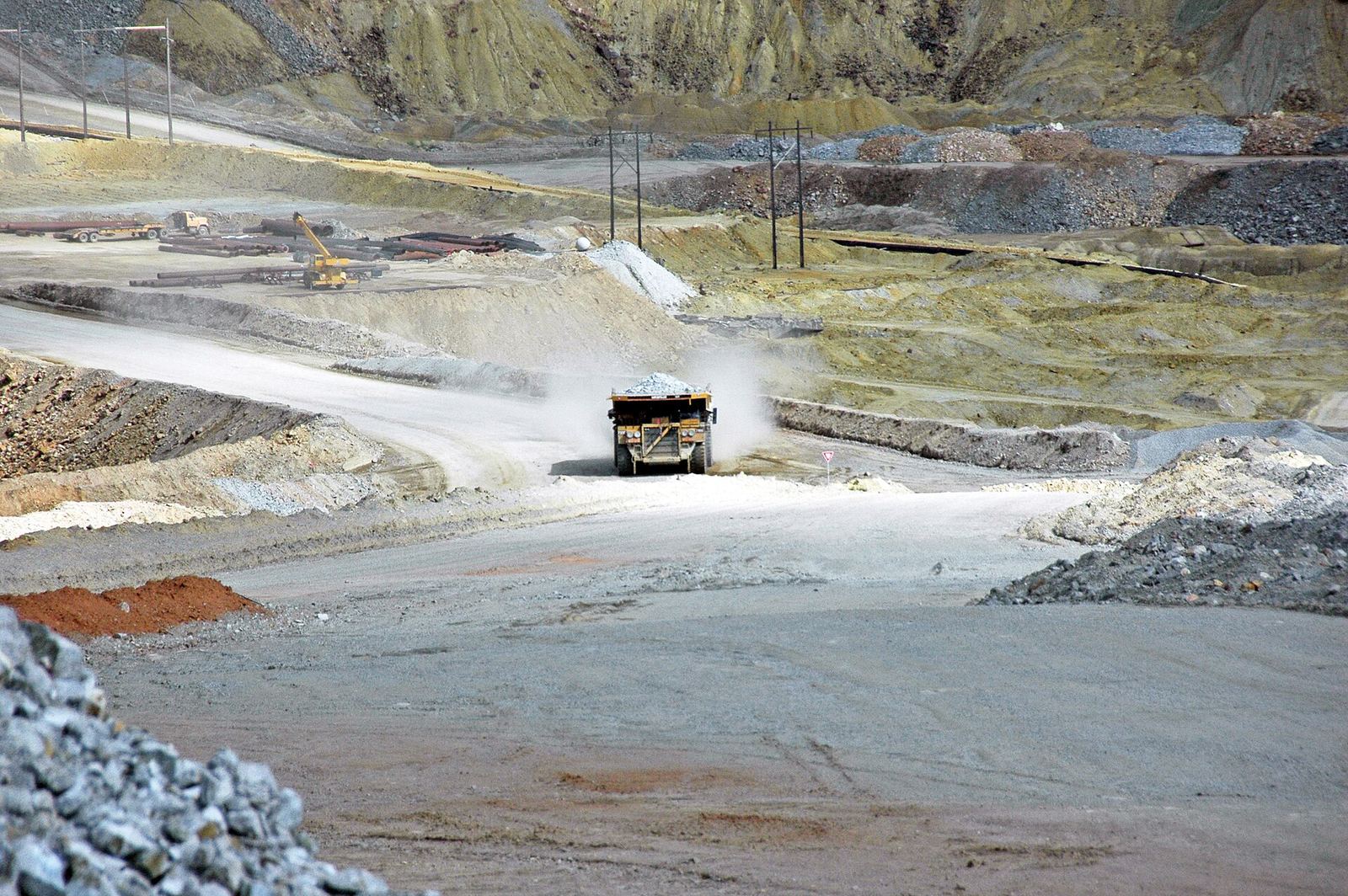
A tonne-kilometre (tkm) is the unit of haulage work equal to one tonne carried a distance of one kilometre, found by multiplying the mass moved by the distance it travels.
U
-
Utilisation
Utilisation is a measure of how much of a period a machine was actually operated, stated as a percentage of a chosen base such as calendar time, scheduled time or available time.
W
-
Wet stock (fuel)
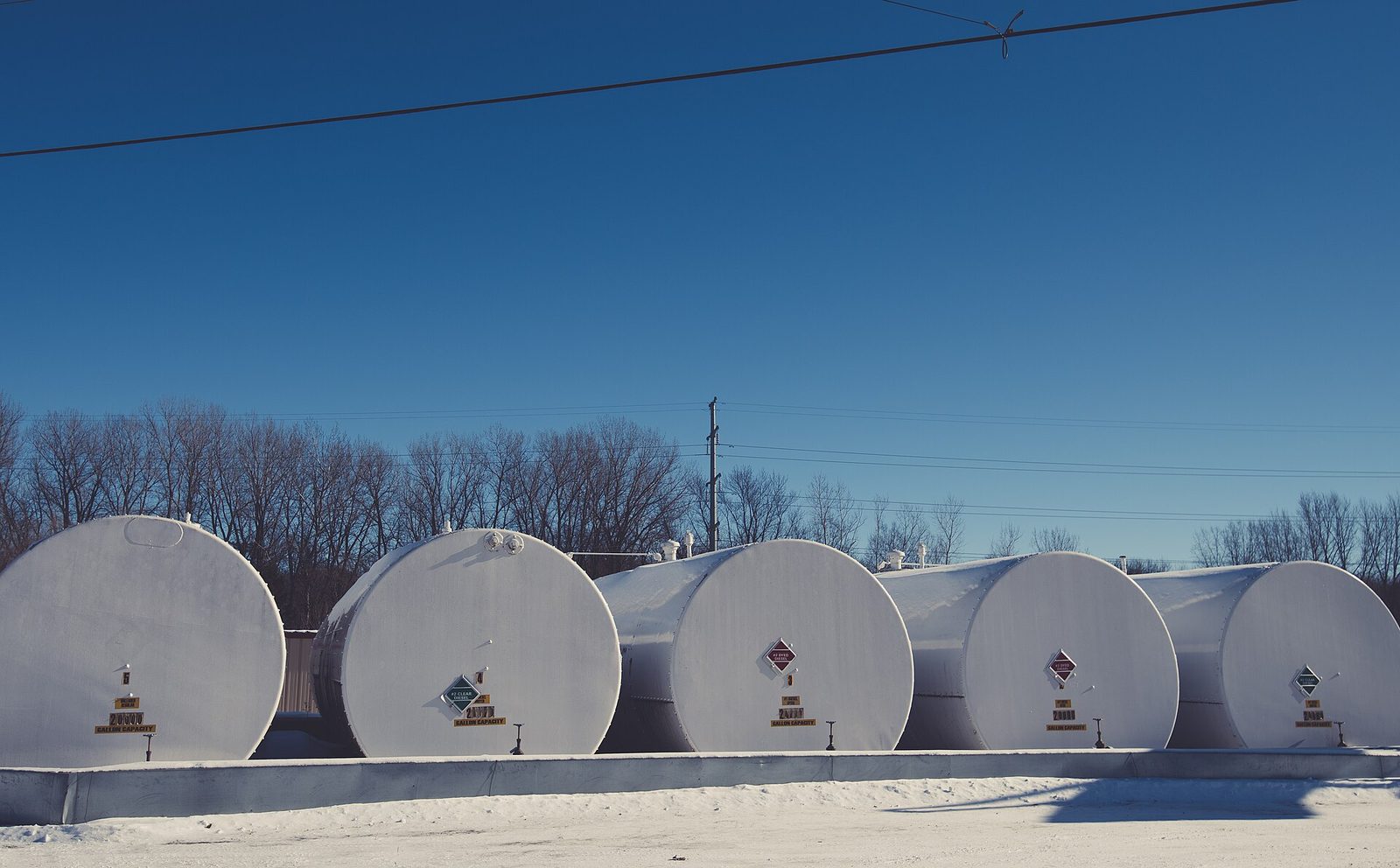
Wet stock is the fuel physically held on site in tanks, bowsers and other containers, measured by dip and checked against the book stock that deliveries and metered issues say should be there.