Load, haul & blast Glossary Global
Berm: the safety bank along a haul road
A haul road berm is a bank of material along the road edge or centre. Thompson sets height at 50% to 66% of truck wheel diameter, sides at 1.5V:1H.
Definition
Berm (haul road safety berm)
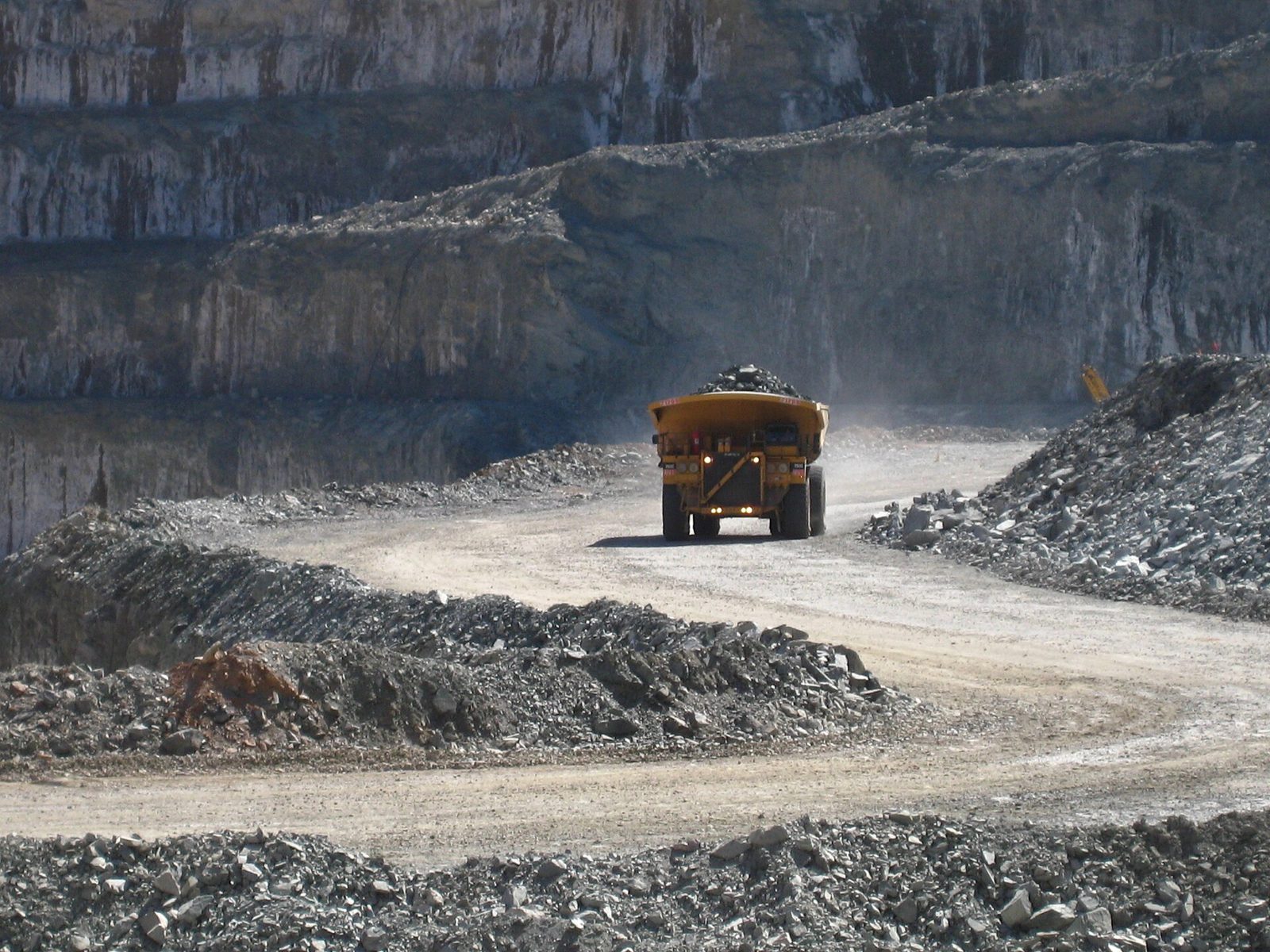
A haul road berm is a bank of material built along the edge of a haul road, or down its centre, to deflect a truck that drifts off its line and to warn the operator that the truck needs to be steered back.
Contents 5 sections
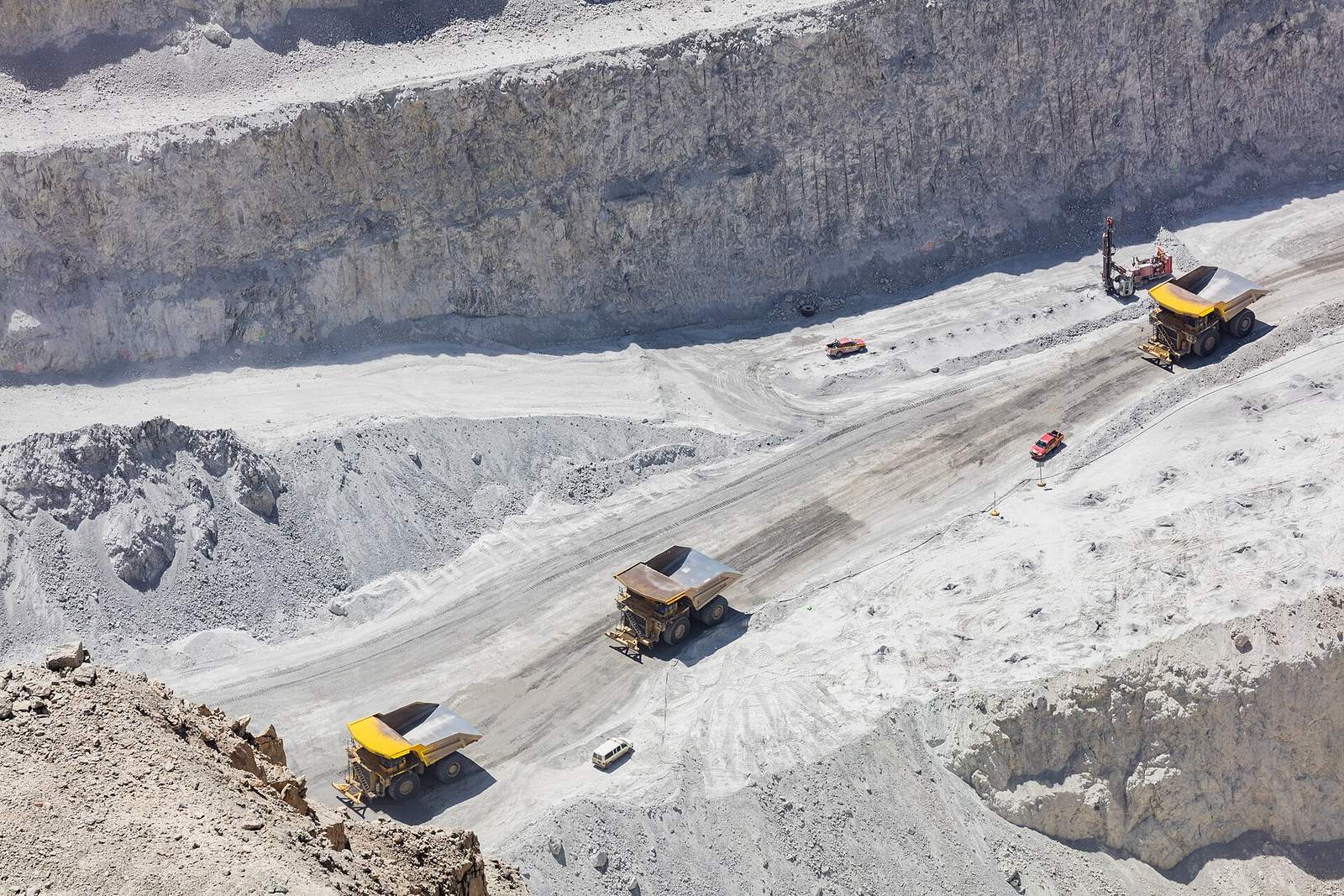
Thompson’s haul road cross-sections show berms in two places: a conventional berm on the outer edge, above the bench face, and a median berm down the middle of the road. Both belong to the road’s geometric design, alongside its width, curves and drainage.
What a berm can and cannot do
A berm is there to guide a truck back onto its line. R.J. Thompson’s haul road design course, from the Western Australian School of Mines, is direct about it: a crest or road-edge berm “will not effectively stop trucks (especially high speed laden or unladen trucks) from leaving the road”. At best it gives “limited deflection and warning to the driver that the truck path needs correcting” (Thompson, GSFM, 2011, read 25 Sep 2026).
That limit shapes the rest of the road design. A truck with failed brakes needs somewhere else to go. In South Africa, the DMR guideline for the trackless mobile machine code of practice covers this. It asks the code to describe “the design and location of run-off areas to slow down vehicles in the case of a runaway, where the risk assessment of the mine indicates the need for such run-off areas” (GN 855, GG 39228, item 8.13.4). The same section covers safe road width and clearances, and standards for marking dangerous areas and obstructions.
Berm height and shape
Thompson gives two design rules:
| Feature | Guidance (Thompson) |
|---|---|
| Height | For large haul trucks, at least 50% to 66% of the truck wheel diameter |
| Side slope | As steep as possible, 1.5V:1H ideally, while keeping the berm stable and its height maintained |
The slope matters because of how a tyre meets it. Thompson’s notes say a steep side “aids deflection”, while flatter berms “allow the truck to ‘climb’ and overturn”. A berm that has slumped or been graded flat over time has lost both height and shape, so it needs inspecting like any other part of the road.
Centre berms and collision risk
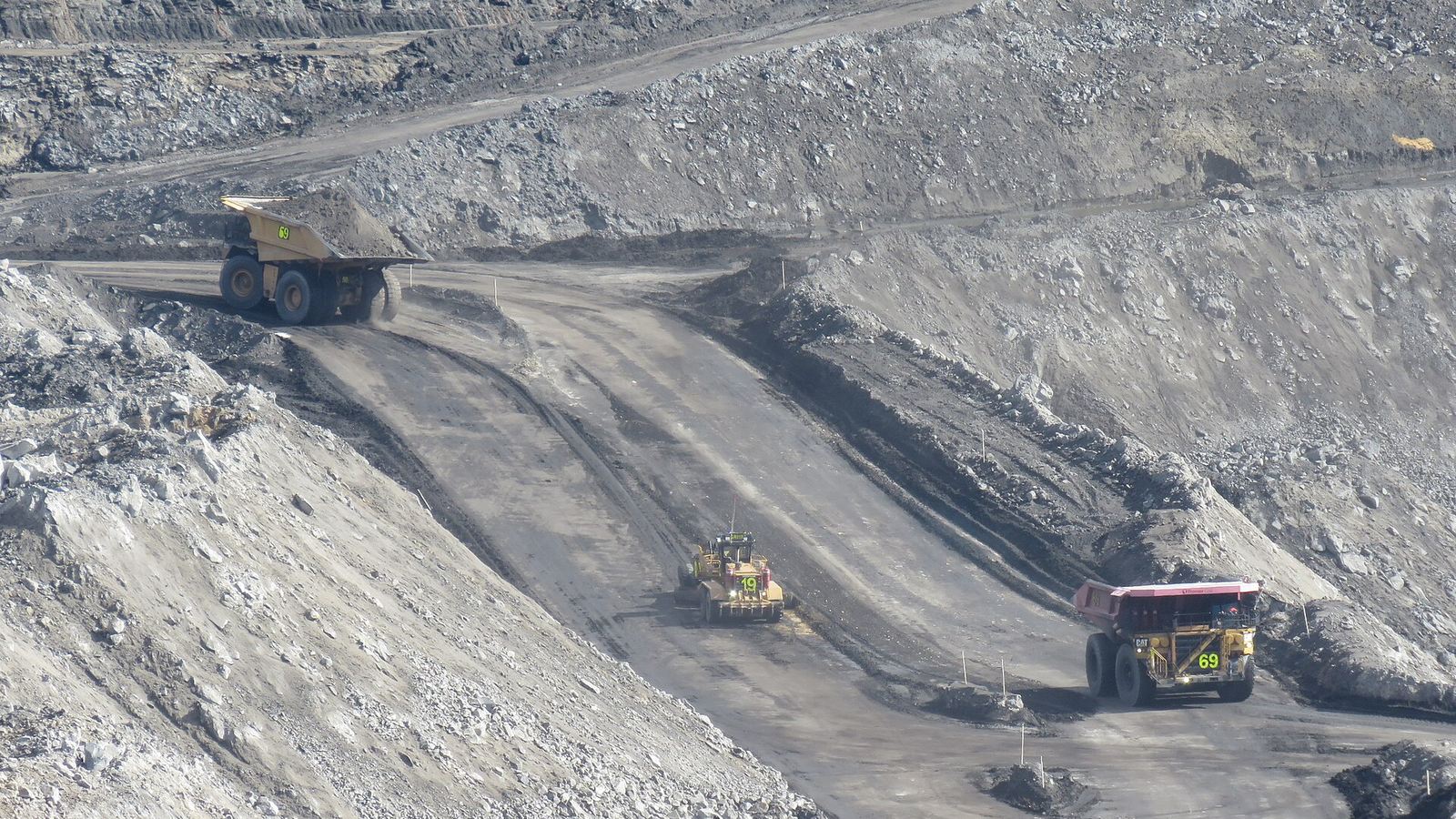
On a two-way road, a median berm keeps opposing traffic apart. The Minerals Council’s note on significant risk of trackless mobile machine collisions gives “the use of centre berms on bi-directional haul roads to prevent head on collisions of two TMMs” as a practical example of a control that works alongside, and not instead of, electronic collision prevention (MOSH, 12 Apr 2023). The regulations behind that note are covered in collision avoidance and PDS: what the regulations require.
Thompson adds two points on medians. On curves, super-elevation should not exceed 5% to 7% unless high-speed haulage is maintained and sliding is kept down by using median berms to split the super-elevation. And a median changes how traffic moves, so he lists “traffic management implications” as something to consider before building one.
Berms also sit inside the road width. Thompson’s notes count “all the associated safety and drainage features” in the formation width, so the berm belongs in the road design from the first drawing.
Common questions
How high should a haul road berm be?
Thompson’s haul road design notes say that for large haul trucks the berm should be at least 50% to 66% of the truck’s wheel diameter. Size it for the biggest truck that uses the road.
Will a berm stop a runaway haul truck?
No. Thompson says a crest or road-edge berm will not effectively stop trucks from leaving the road; at best it gives limited deflection and a warning. Where the mine’s risk assessment shows a need, the DMR guideline for trackless mobile machines expects the code of practice to describe run-off areas for runaways.
What is a median or centre berm for?
It separates the two traffic directions. The Minerals Council cites centre berms on bi-directional haul roads as a physical control against head-on collisions, and Thompson notes median berms can split super-elevation on curves.
Sources
- R.J. Thompson, GSFM: An Integrated Approach to Mine Haul Road Design. Western Australian School of Mines, Curtin University, 2011. Read 25 Sep 2026.
- What is Significant Risk of TMM Collision? Minerals Council South Africa, MOSH, 12 Apr 2023. Read 25 Sep 2026.
- Guideline for a mandatory code of practice for trackless mobile machines, DMR 16/3/2/2-B2. Department of Mineral Resources, GN 855, Government Gazette 39228, 25 Sep 2015. Read 25 Sep 2026.