Maintenance Glossary Global
Utilisation in mining: which hours, over which total
Utilisation is the share of time a machine is actually used. The GMG model gives four versions with different bases. Formulas and a haul truck month.
Definition
Utilisation
Utilisation is a measure of how much of a period a machine was actually operated, stated as a percentage of a chosen base such as calendar time, scheduled time or available time.
Contents 4 sections
A utilisation figure is only as clear as its base. The Global Mining Guidelines Group (GMG) defines utilisation as “a measure of the time a particular piece of equipment is being used”. It then gives four ways to calculate it, each dividing by a different total (GMG time classification framework, 2020, section 8.6.2 and glossary, read 25 Sep 2026).
The availability and utilisation guide sets out GMG’s full time model. This entry looks only at the utilisation side: what separates the four versions, and what pulls them down.
Four utilisation measures
Use of availability = operating time ÷ available time
Asset utilisation = operating time ÷ calendar time
Operating utilisation = operating time ÷ scheduled time
Effective utilisation = working time ÷ scheduled time
Operating time is available time less standby. Working time is operating time less operating delays such as fuelling and blasting. GMG describes asset utilisation as an indicator of “how well capital assets are being utilized”, while operating utilisation measures use “when it is required or scheduled to operate”.
One wording trap: GMG bases its availability definitions on the Surface Mining textbooks (Pfleider, 1968; Kennedy, 1990), but says it uses “Operating Time” where that source material uses “Working Time”. Two sites quoting working time may be counting different hours.
What pulls utilisation down
Downtime lowers availability. Utilisation losses happen while the machine is fit to work. A published South African example is the equipment efficiency programme at Mogalakwena platinum mine, reported in the SAIMM Journal (Fourie, 2016, pp. 275 to 277). The mine grouped its utilisation losses under blasting delays, housekeeping, safety stoppages, equipment moves, meetings and travel, shift change, absenteeism and no operator, dust, dewatering, rain, equipment on the wrong jobs, and road construction.
It chose three to work on: shift change, attendance and blasting delays. The attendance measure was operating hours lost to no operator, with a baseline of 2,160 hours a month and a target of 1,200.
The paper also answers what a recovered hour is worth. When a machine stands, it stops incurring variable cost but keeps incurring fixed cost, so the saving from an extra operating hour is “the fixed cost portion of the machine’s hourly cost”.
Common questions
Does a machine standing with no operator count against utilisation?
Yes. In the GMG model, no operator is operating standby: the machine is available but not operating. It lowers every utilisation measure and leaves physical availability untouched.
Is utilisation the same as engine hours divided by hours in the month?
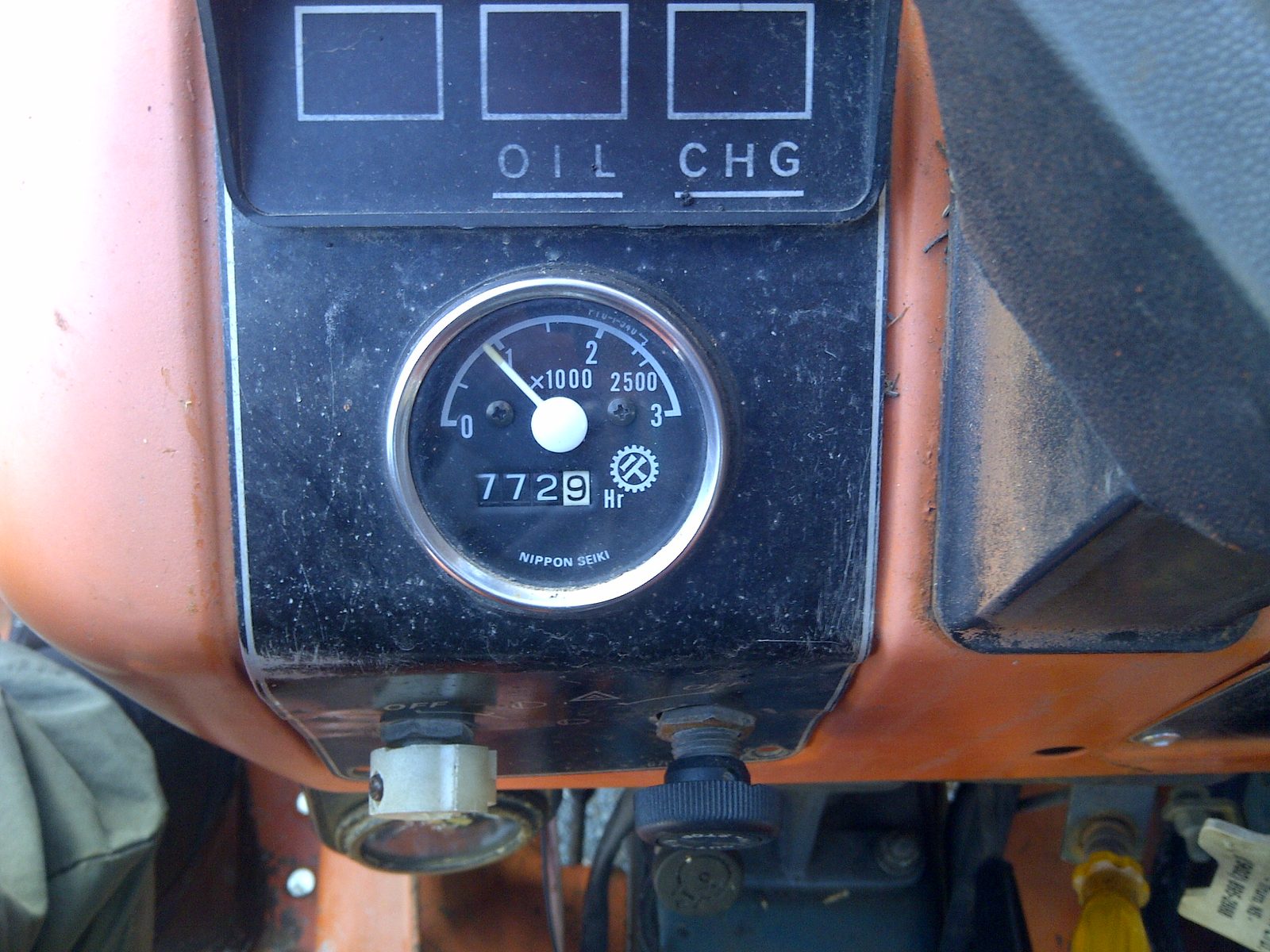
Not in the GMG model. Utilisation there counts operating time, when the machine is available and under someone’s control. GMG’s glossary says engine meter hours represent the time the unit is running, and an engine can run while the machine sits on standby.
Which utilisation figure should a contract use?
Whichever one both sides write down, with its base. Operating utilisation over scheduled time is the one GMG ties to the time the operation actually required the machine; asset utilisation over calendar time answers a capital question instead.
Sources
- Global Mining Guidelines Group, A Standardized Time Classification Framework for Mobile Equipment in Surface Mining (version 13 Jul 2020, published 31 Aug 2020), sections 8.3 and 8.6, Table 3 and glossary. Read 25 Sep 2026.
- H. Fourie, Improvement in the overall efficiency of mining equipment: a case study, Journal of the Southern African Institute of Mining and Metallurgy, vol. 116, no. 3, 2016. Read 25 Sep 2026.