Fuel & diesel Regulation Australia
Fuel tax credits for mining contractors in Australia
Fuel tax credits for mining: from 3 August 2026 diesel used off-road on a mine earns 53.7 cents a litre; heavy vehicles on public roads earn 21.3 cents.
Contents 8 sections
A mining contractor can claim fuel tax credits on diesel it acquires and uses in its business: from 3 August 2026 the credit is 53.7 cents a litre for diesel burned in plant and in heavy vehicles off public roads, and 21.3 cents a litre for diesel burned by heavy vehicles travelling on public roads. The difference is the road user charge of 32.4 cents a litre, and the rate that applies is the one in force on the date you acquired the fuel (ATO rates from 1 July 2026, read 25 Sep 2026).
2026 has been an unusual year for these rates. Fuel excise was cut from 1 April to 2 August 2026 as part of the Australian Government’s temporary fuel excise relief, and the credit fell with it. The relief ended on 3 August, so diesel bought in August and September earns far more per litre than diesel bought in May.
Who can claim fuel tax credits
The ATO sets two registration conditions. To claim, “you must be registered for: GST when you acquired the fuel” and “fuel tax credits when you lodge the claim” (ATO eligibility). The claim covers “eligible fuel you acquired, manufactured or imported and use in your business”.
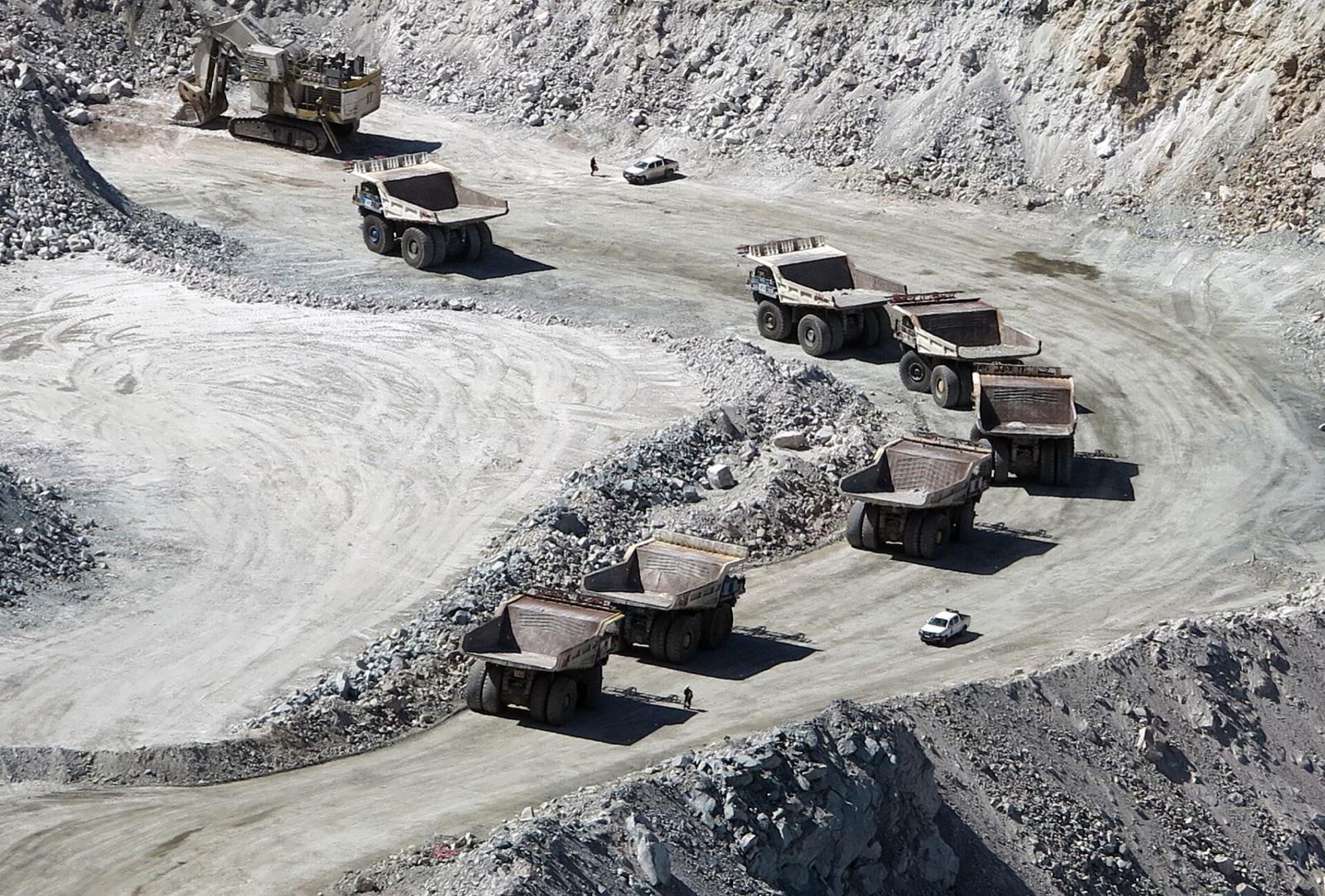
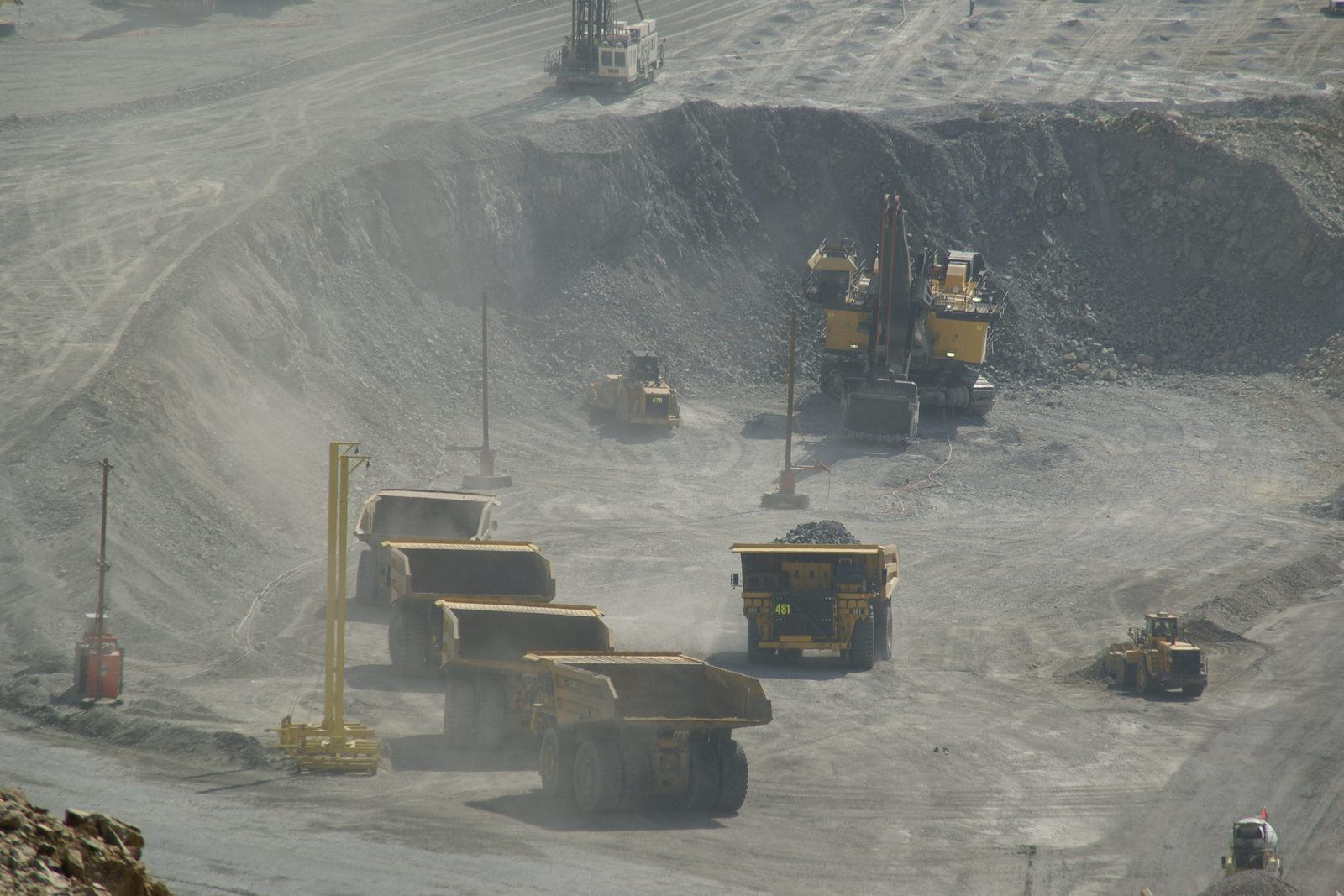
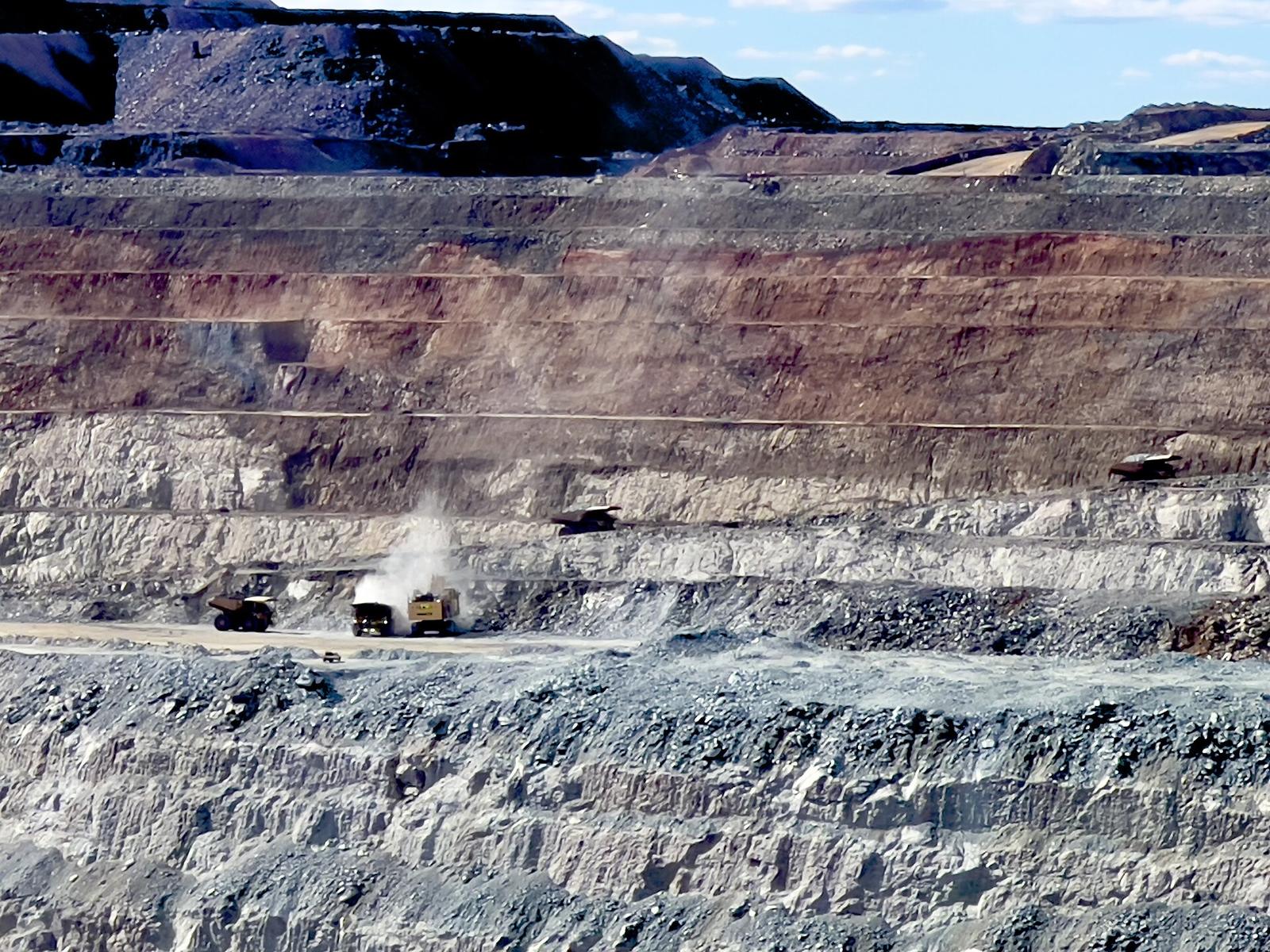
Mining and quarrying are both on the ATO’s list of eligible business activities (all other business uses), along with construction and electricity from a stationary or portable generator. For a load and haul, drill and blast or crushing contractor, that takes in diesel used on the mine in excavators, loaders, dozers, haul trucks, drill rigs, crushers, lighting towers and gensets.
What is left out is fuel in light vehicles on public roads. The ATO says the scheme excludes “fuel you use in light vehicles of 4.5 tonnes gross vehicle mass (GVM) or less, travelling on public roads” (ATO fuel tax credits for business). A light vehicle driven on the mine itself or on a private road can still earn the credit.
Fuel tax credit rates for diesel from 3 August 2026
The ATO’s current table for liquid fuels, cents per litre:
| Fuel acquired | Heavy vehicles travelling on public roads | All other business uses (off-road, plant, mine sites) | Road user charge |
|---|---|---|---|
| From 3 August 2026 | 21.3 | 53.7 | 32.4 |
| 1 July to 2 August 2026 | 20.2 | 36.6 | 16.4 |
| 1 April to 30 June 2026 | 20.6 | 20.6 | 0.0 |
| 2 February to 31 March 2026 | 20.2 | 52.6 | 32.4 |
| 4 August 2025 to 1 February 2026 | 19.2 | 51.6 | 32.4 |
For fuel acquired from 1 July 2026 the ATO gives the same rates for the blended fuels B5, B20 and E10. The first two rows come from the ATO’s 2026 to 2027 table. The rest come from the 2025 to 2026 table, where the road user charge for 2025 to 2026 is given as 32.4 cents a litre.
Why the rates moved:
- From 1 April to 30 June 2026 excise on diesel “and all other fuel products (except aviation fuels) were reduced by 60.9%”, and the road user charge was set to zero (ATO rates, business).
- From 1 July to 2 August 2026 excise was “reduced by 30.4% of the full rate” and the road user charge was 16.4 cents a litre.
- From 3 August 2026 “the temporary fuel excise relief has ended”, and rates also took the August CPI adjustment (ATO fuel response). The ATO gives the indexation factor as 1.020.
The ATO indexes rates to CPI twice a year, in February and August, so the next scheduled change is in February 2027.
The road user charge, and when it applies
Credit on public roads (c/L) = all other business uses rate (c/L) - road user charge (c/L)
From 3 August 2026: 53.7 - 32.4 = 21.3 cents a litre
The ATO says the rate for heavy vehicles travelling on public roads “is reduced by the road user charge” (travelling on public roads). A heavy vehicle has a GVM “greater than 4.5 tonnes”, and for a prime mover the GVM is the gross combination mass of the vehicle and trailer (heavy vehicles).
Off public roads the charge does not apply. The ATO covers “private roads, work sites (for example, construction sites and mines)”, and it lists “mining access” roads as examples of roads that are not public (travelling off public roads). Fuel for those kilometres earns the full 53.7 cents.
Three details matter on a mine contract:
- Idling counts as travel. Fuel used while the vehicle is “travelling along public roads, including stopping or idling, during the journey” takes the reduced rate.
- Road work is not travel. “Movement of a vehicle undertaking road construction, maintenance or repair, such as by a grader or bulldozer is not considered travelling”, so it takes the full rate.
- Some plant is treated as always off-road. The ATO lists graders, backhoe loaders, front-end loaders, wheeled excavators, forklifts and wheeled bulldozers among the vehicle types that can be treated as used fully off public roads, so their fuel need not be split (PCG 2016/4 and FTR 2008/1, cited by the ATO).
Heavy diesel vehicles made before 1 January 1996 must meet an environmental criterion to claim on public roads. That criterion does not apply to a vehicle “not used on a public road, such as private roads or work sites”.
Contractor or principal: who claims
The ATO’s position is short: “Only one entity can claim fuel tax credits.” A contract can say which party claims, but “you are only entitled to fuel tax credits if you acquired and also used the fuel in carrying on your business” (ATO, fuel tax credits and contractual arrangements). The ATO suggests supply contracts cover “details of the fuel arrangements, delivery etc.” and “which party will claim the fuel tax credits for eligible fuel”. Where it is unclear, you can apply for a private ruling.
In practice, that leaves two common set-ups on a mine:
| Set-up | Who acquires the diesel | Who is likely to claim | What to settle in the contract |
|---|---|---|---|
| Contractor buys its own diesel | Contractor | Contractor, if it also uses the fuel in its business | How the credit is reflected in the rate per tonne or per hour |
| Principal buys the diesel and issues it free to the contractor | Principal | Decided by who acquired and used the fuel; the contract should name one party | Who claims, how issued litres are recorded, who holds the issue records |
The “likely” column is our reading of the ATO’s two conditions. The ATO has not ruled on these set-ups here. Where the principal supplies free-issue fuel to your machines, get the answer in writing before the first BAS, and ask for a private ruling if the two parties disagree. Two claims on the same litres is the outcome to avoid.
Records the ATO expects
Your records must “show the amount of fuel acquired and used in your business and calculations”, and be kept “for five years, although some records need to be kept longer” (ATO records you need to keep). The ATO warns that without adequate records “you may have to repay all or part of the fuel tax credits you have received”, with penalties and interest.
The site already keeps most of these records to run the fleet; a note on connecting fuel issues to machines, jobs and stock argues for keeping them together.
If you claim less than $10,000 in fuel tax credits a year you can use the ATO’s simplified approach. Most mining contractors will be well above that. Claims must be made within four years of the due date of the earliest BAS in which you could have claimed.
Worked example
For what diesel is costing in each capital this month, and what the credit does to the net price per litre, see Australian diesel prices for September 2026. The state safety laws that sit alongside these tax rules are in mine safety laws for contractors, state by state.
Common questions
What is the fuel tax credit rate for diesel used on a mine site?
53.7 cents a litre for diesel acquired from 3 August 2026, the ATO’s rate for all other business uses. Fuel used in heavy vehicles off public roads, including on mine sites and mining access roads, is not reduced by the road user charge.
What is the fuel tax credit rate for heavy vehicles on public roads?
21.3 cents a litre for diesel acquired from 3 August 2026. That is the 53.7 cent rate less the road user charge of 32.4 cents a litre. Light vehicles of 4.5 tonnes GVM or less on public roads get nothing.
Who claims when the principal supplies the diesel to the contractor?
Only one entity can claim. The ATO says you are entitled only if you acquired and also used the fuel in carrying on your business, whatever the contract says. Set out in the contract who acquires the fuel and who will claim.
Which rate applies to fuel bought in July 2026?
The rate on the date you acquired the fuel. Diesel acquired from 1 July to 2 August 2026 earns 36.6 cents a litre off-road and 20.2 cents a litre in heavy vehicles on public roads, because excise was cut by 30.4 per cent in that month.
Sources
- Fuel tax credit rates: from 1 July 2026 to 30 June 2027, ATO, last updated 29 July 2026.
- Fuel tax credit rates: from 1 July 2025 to 30 June 2026, ATO, last updated 28 April 2026.
- Fuel tax credit rates for business, ATO, last updated 29 July 2026.
- ATO fuel response, ATO, last updated 3 August 2026.
- Fuel tax credits for business, ATO.
- Eligibility, ATO.
- All other business uses, ATO.
- Fuel tax credits for heavy vehicles, ATO.
- Travelling off public roads, ATO.
- Travelling on public roads, ATO.
- Records you need to keep, ATO.
- Fuel tax credits and contractual arrangements, ATO, Tax, Super + You.