Fuel & diesel Guide
Idle time in mining: what it costs and how to measure it
Idle time in mining is engine hours with no work done: 30% to 60% of running time on earthmoving machines in published data. How to measure and cost it.
Contents 8 sections
Idle time is the time a machine’s engine runs while the machine does no work, and it is measured as idle hours divided by engine hours. It burns diesel every hour and puts hours on the meter that bring services forward. Published OEM and telematics data put it at 30% to 60% of running time on excavators and other earthmoving machines.
Those figures come from construction fleets as much as mines. A contractor’s own number, split by machine and by cause, is the one worth knowing. This guide sets out how to get it from data most sites already hold.
What idle time measures
Mines report time in categories: working, operating delay, standby, downtime. The Global Mining Guidelines Group (GMG) sets these out for surface mobile equipment. Its framework defines Working Time as the machine “operating as assigned, performing its intended function”. Standby is time when “the equipment is available but is not operating” (GMG time classification framework, 2020, read 25 Sep 2026).
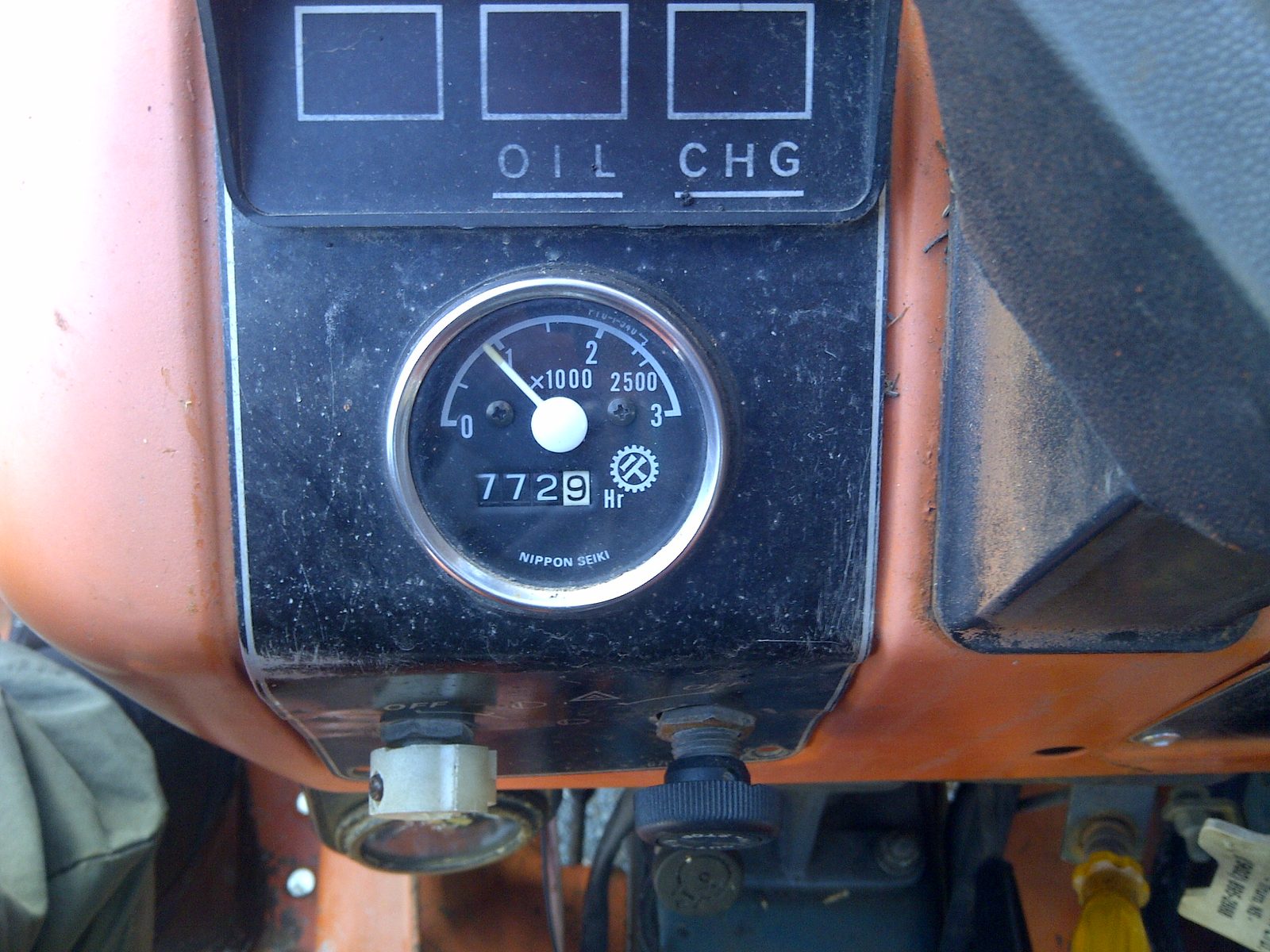
Idle describes what the engine is doing, and telematics records it on its own. ISO/TS 15143-3, the telematics data standard for earthmoving machines, lists “Cumulative Idle Hours” beside “Operating Hours” and “Cumulative Fuel Used” as data elements a machine reports (ISO/TS 15143-3:2016, read 25 Sep 2026). The hour meter counts both. GMG describes engine meter hours as “the time the unit is running”.
So idle engine hours sit inside several time categories at once. The table takes GMG’s own examples of each category and shows where an engine may be left running.
| GMG time category | GMG examples | Engine often left idling? |
|---|---|---|
| Non-productive time | Trucks: wait at loading unit. Loaders: wait for trucks | Yes, the queue at the loader |
| Operating delay | Fuelling; wait for assignment or instruction | Yes, while waiting for instruction |
| Operating standby | Shift change; lunch and coffee breaks; safety meeting | Yes, if the operator does not switch off |
| External standby | Loading unit out of digging; waiting for drill pad | Yes, until someone says how long the wait is |
| Downtime | Machine not in a condition to work | Sometimes, during fault finding |
This is why a fleet can show good utilisation and still burn a lot of diesel at idle. The time model says the truck was operating. The engine data says it spent part of that time running without moving.
Typical idle time on earthmoving machines
| Source | Machines | Idle share |
|---|---|---|
| Hassani, MSc thesis for Volvo CE, 2020 | 362 EC480E excavators, telematics | 31% of lifetime; “at least 30%” for construction equipment |
| Komatsu, 2022 | Komatsu study done about ten years earlier | “nearly 40%” average |
| Volvo CE, 2019 | Excavators | “40-60% of operating time” |
Sources: Hassani 2020, Komatsu 2022, Volvo CE 2019, all read 25 Sep 2026.
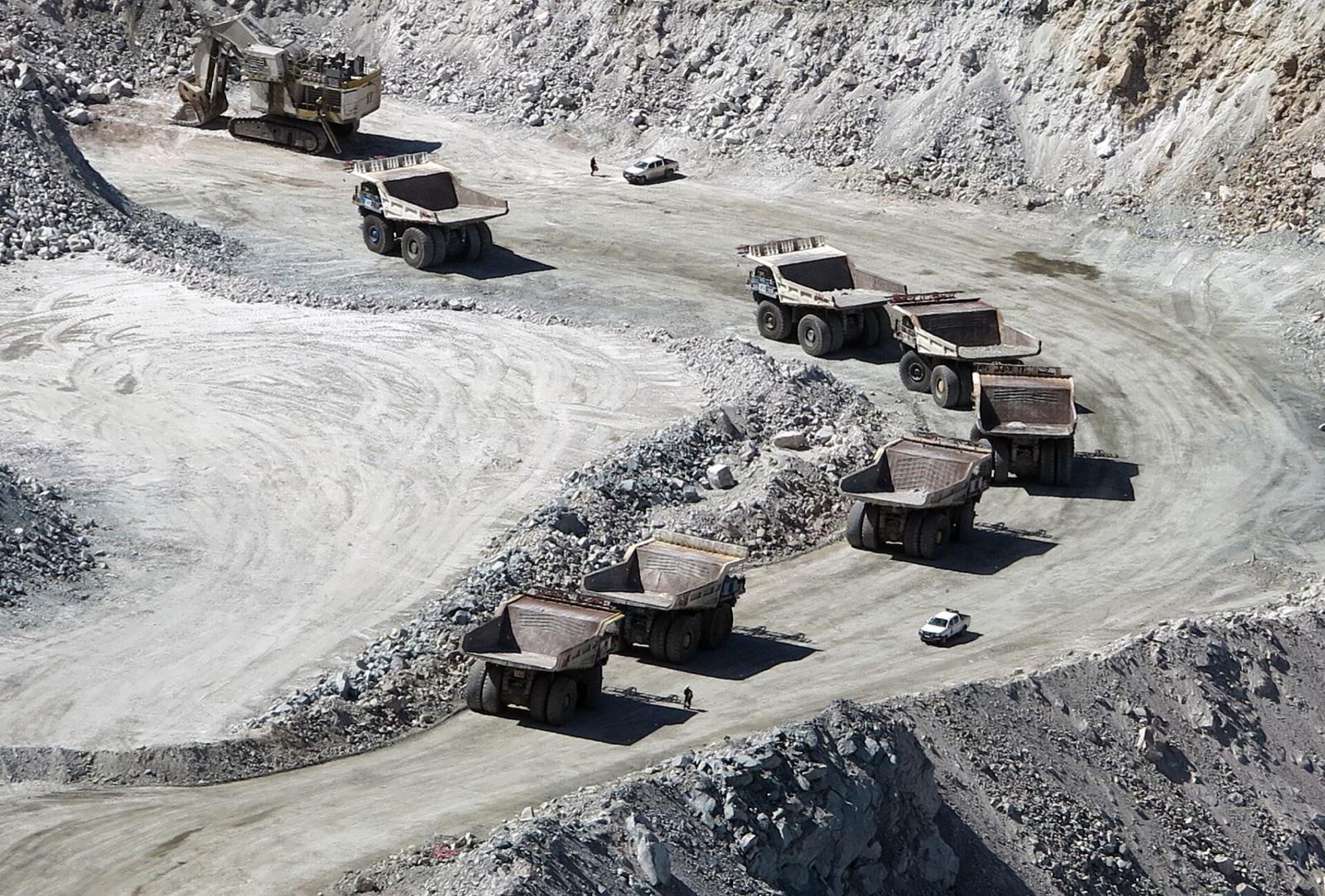
On haul trucks, idle is mostly queuing. A study of more than 5,000 haul cycles at a large surface mine found truck “empty idle time” was “a major contributor to unnecessary fuel consumption”. It named queues at the shovel as a major part of that idle (Dindarloo and Siami-Irdemoosa, Energy, 2016, read 25 Sep 2026). That is a loading problem showing up in the fuel bill.
What idle time costs
Diesel
The Hassani thesis reports idle hours and idle fuel for the 362 excavators in its data set. Dividing one by the other gives about 6.2 litres per idle hour: 2,035,097 litres over 326,711 idle hours across the two idle speed bands it measured. That is Pay Dirt’s calculation from the thesis tables, for one excavator model. Engine speed matters too: the thesis splits idle into a band up to 800 rpm and a band from 800 to 1,000 rpm.
Hours on the meter
Every idle hour is an engine hour, and services, component lives and warranty terms run on engine hours. Volvo CE compares two machines, one idling 50% of the time and one 33%. After five years the first has 10,000 hours on the meter and the second 7,500. At 500-hour service intervals, the second needs five fewer services (Volvo CE, 2018, read 25 Sep 2026). Volvo CE puts the resale difference at up to US$20,000.
Wear
Caterpillar’s rental arm notes that long idling “can wear out components and ultimately shorten engine oil life” (Cat Rental Store fuel efficiency guide, read 25 Sep 2026).
How to measure idle time
Idle % = idle hours ÷ engine hours × 100
Working engine hours = engine hours minus idle hours
Idle litres = idle hours × litres per idle hour
Hyundai’s AEMP manual uses the same split for its operating rate: engine run hours less idle hours, divided by engine run hours (Hi MATE AEMP 2.0 manual, read 25 Sep 2026). Where the machine reports idle fuel directly, use it in place of the third line.
The steps, for one month:
- Pull engine hours and idle hours per machine from each manufacturer’s telematics feed. ISO 15143-3 lists both as standard data elements, so a feed built to it should carry them.
- Check engine hours against the hour meter readings on the pre-start or shift sheet. A gap means a missing feed or a meter that was replaced. See engine hours, SMR and hour meters.
- Work out idle % per machine and per shift. A fleet average hides the two machines that idle through every lunch break.
- Put a cause on the idle. Match idle blocks to the shift record: queue at the loader, break, shift change, waiting for instruction, loader down, warm-up.
- Convert to litres using the machine’s reported idle fuel, or your own litres per idle hour for that class from fuel issues and telematics.
- Price it at your delivered diesel price, net of any diesel refund you claim.
The cause matters most. Idle while a truck queues at a loader that is out of digging is a loading problem. Idle through lunch is an operator habit. Idle while the client’s blast delays the pit may be standing time under the contract, and then it belongs in the standing time record. Each has a different fix and a different owner. To tie idle litres to the machine, shift and production records, see this note on why fuel records belong with the machine and production records.
Worked example: a 12-machine fleet for one month
The rand figure depends on the price used, so show the litres and hours beside it. A site manager can act on “the dozer idled 133 hours”. An owner needs the rand.
Cutting idle time without cutting production
- Fix the queue first. If trucks idle at the loader, the answer is the match between trucks and loader, the face and the loader’s cycle. Switching trucks off in a two-minute queue saves little. See haul truck cycle time.
- Set idle shutdown timers. Komatsu’s auto idle shutdown is available on most of its Tier 4 Final machines, and Volvo CE’s auto engine shutdown stops the engine “after five minutes of inactivity”. Check what each machine on site is set to.
- Write an idle rule. The Cat Rental Store guide suggests a warm-up of no more than five minutes and switching off during breaks or waits of more than five minutes. Komatsu notes that some idling is needed to warm up and cool down a machine. Make the rule specific to the machine class and the site’s climate.
- Report idle by machine and by cause each week. When one machine idles 40% on day shift and 20% on night shift, look at the day shift’s habits first.
Common questions
What is a normal idle percentage for mining equipment?
Published figures run from about 30% to 60% of running time. A Volvo CE telematics study of EC480E excavators found 31%, Komatsu reported an average of nearly 40%, and Volvo CE puts the range at 40% to 60%. Your own fleet’s figure, by machine and by cause, matters more than any benchmark.
How many litres does a machine burn at idle?
It depends on the engine and the idle speed. In a Volvo CE telematics data set of 362 EC480E excavators, idle fuel divided by idle hours works out at about 6.2 litres an hour. Use the idle fuel your own telematics reports where it is available.
Is idle time the same as standing time?
No. Idle is an engine state: running with no work done. Standing time is a contract term for time a machine is on site and available but cannot work for a reason outside the contractor’s control. A machine can stand with the engine off, and it can idle while it is meant to be working.
Sources
- A Standardized Time Classification Framework for Mobile Equipment in Surface Mining (2020), Global Mining Guidelines Group, read 25 Sep 2026.
- ISO/TS 15143-3:2016, Worksite data exchange, Part 3: Telematics data (sample pages), ISO, read 25 Sep 2026.
- Hi MATE AEMP 2.0 manual, Hyundai Construction Equipment, read 25 Sep 2026.
- Hassani, M., Construction equipment fuel consumption during idling (MSc thesis, 2020), Mälardalen University for Volvo CE, read 25 Sep 2026.
- Tips for lowering your fuel costs even when prices are high (2022), Komatsu, read 25 Sep 2026.
- 5 ways to improve excavator fuel efficiency (2019), Volvo CE, read 25 Sep 2026.
- How machine idle times impact your profits (2018), Volvo CE, read 25 Sep 2026.
- Fuel efficiency guide, Cat Rental Store, read 25 Sep 2026.
- Dindarloo, S.R. and Siami-Irdemoosa, E., Determinants of fuel consumption in mining trucks, Energy 112 (2016), abstract, RePEc, read 25 Sep 2026.
- Fuel price adjustment documents, September 2026, Department of Mineral and Petroleum Resources, read 25 Sep 2026.