Load, haul & blast Glossary Global
Bench in open pit mining: height, parts and blasting
A bench is one working level of an open pit, dug from its face. Its height follows the loading machine and sets the depth of every blasthole on it.
Definition
Bench
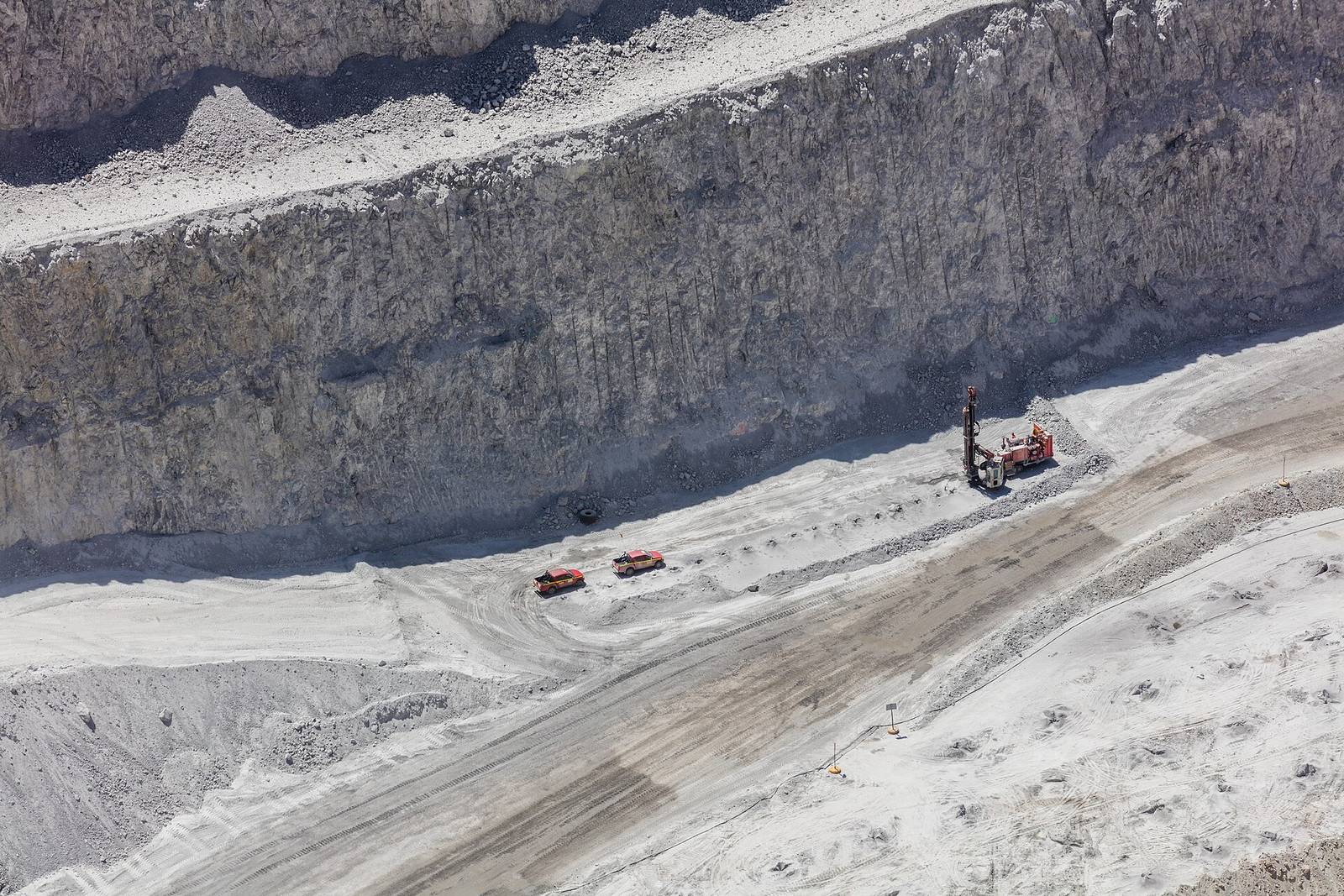
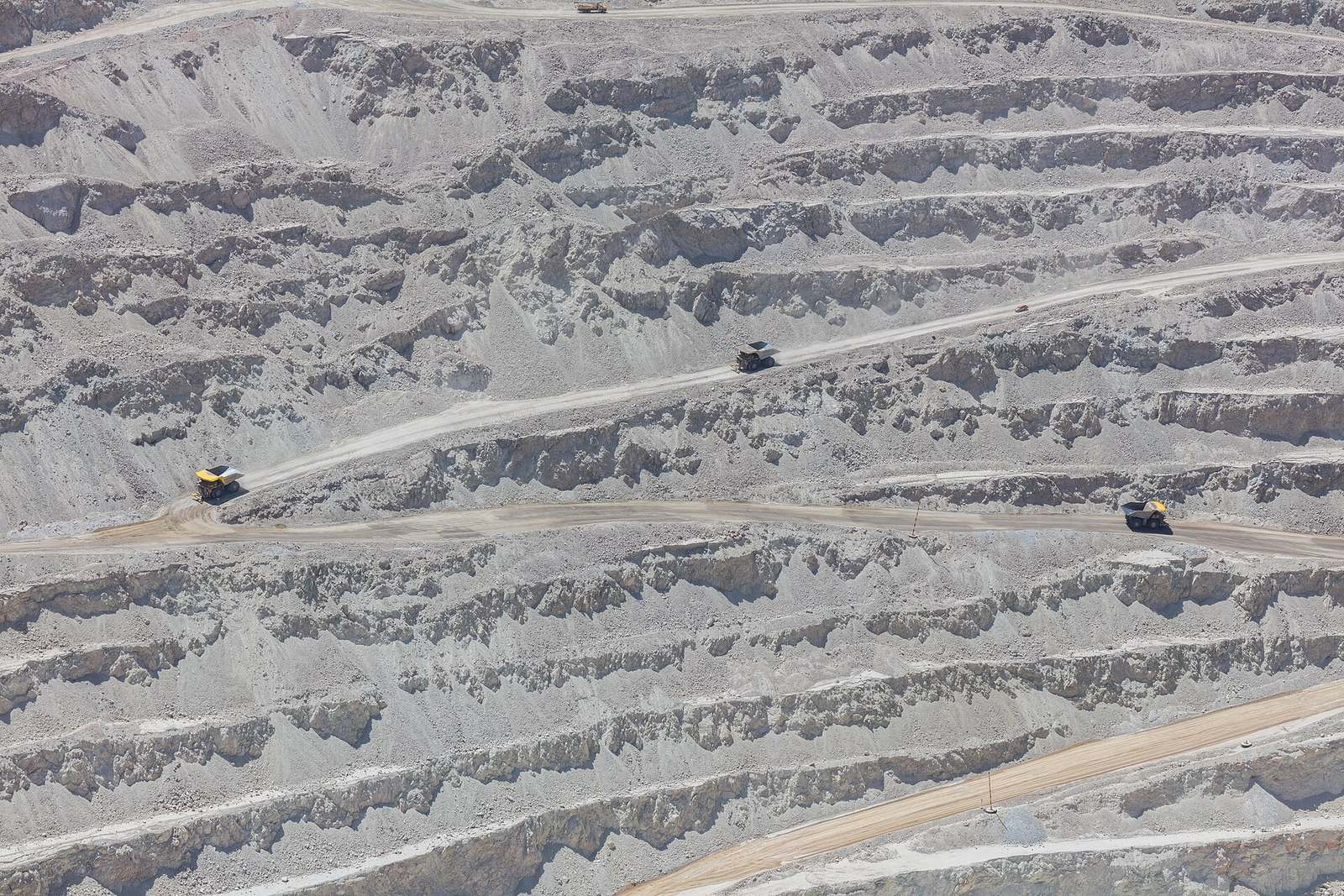
A bench is a single working level in an open pit or quarry, a ledge from whose face ore or waste is dug, bounded by a crest at the top and a toe at the bottom.
Contents 5 sections
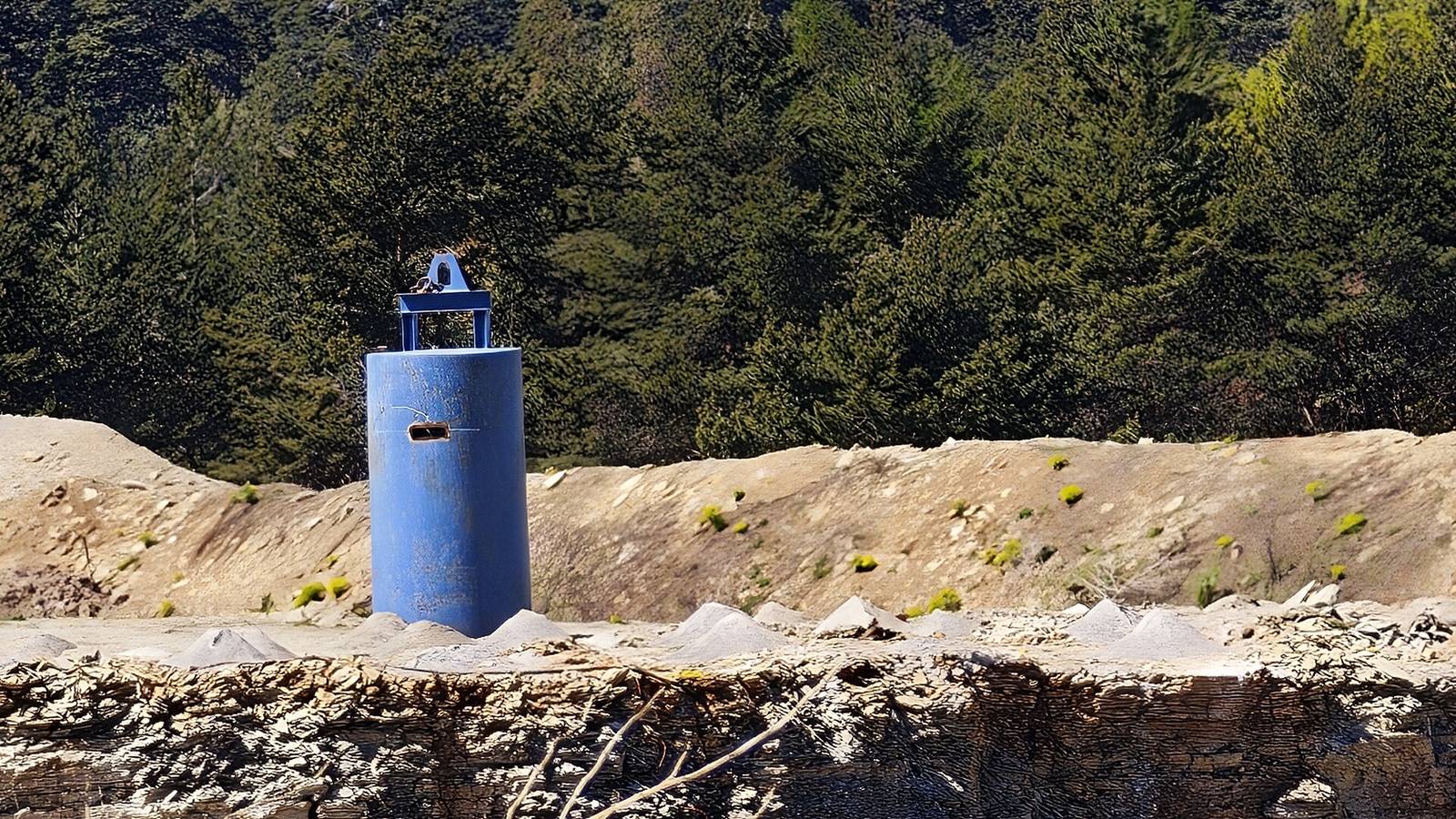
Bench height is matched to the machine that digs it. For open cast work with power shovels, university notes give 10 to 15 m in waste and 8 to 12 m in ore. Blastholes are drilled to that height plus any subdrill, so the bench also sets the scale of the blast pattern.
The parts of a bench
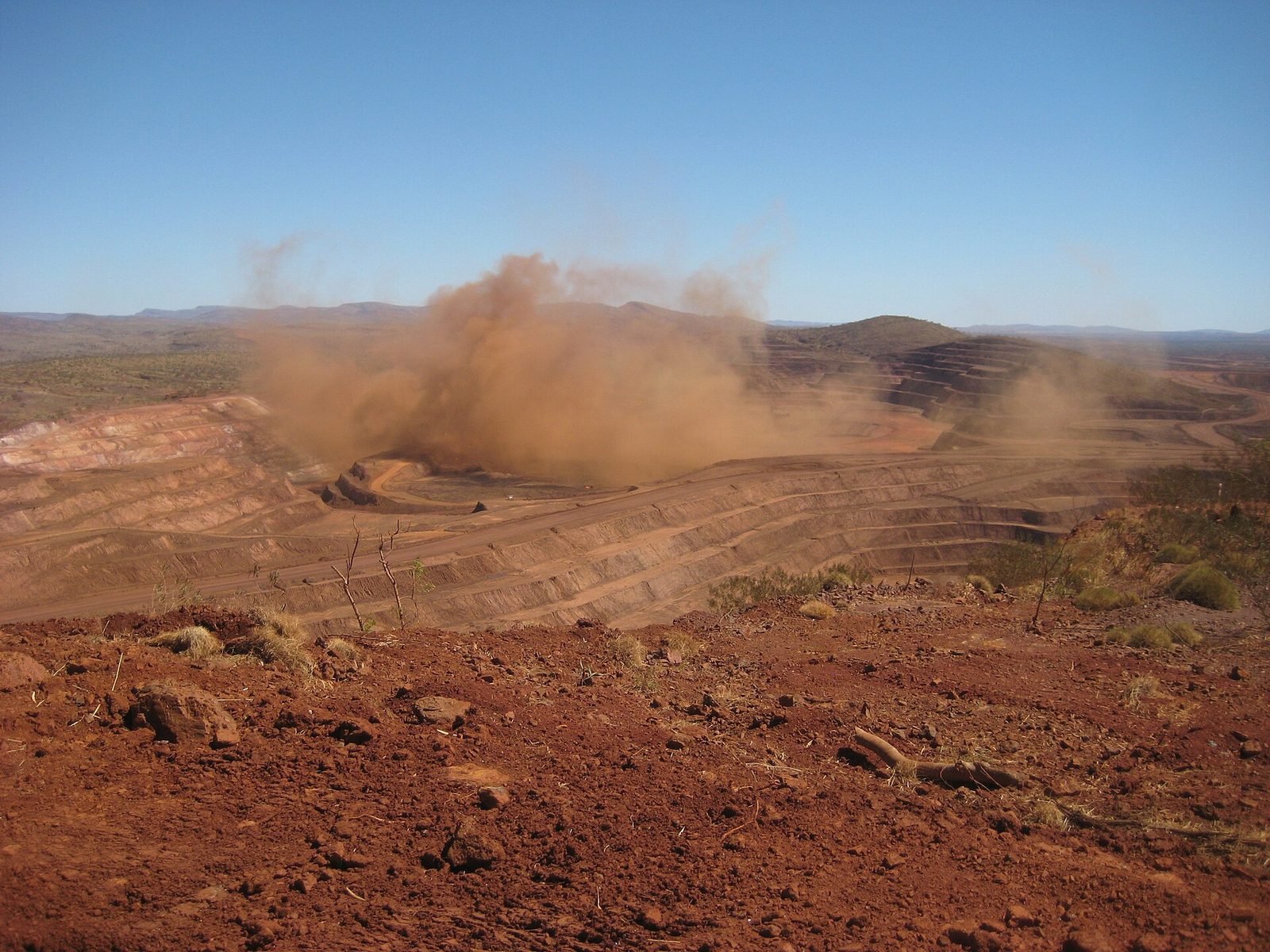
Surface mining notes from Hacettepe University describe a bench as a ledge “that forms a single level of operation above which mineral or waste materials are mined from the bench face”. They name the parts: the top, the bench floor, the face (or highwall), the crest at the top edge and the toe at the bottom. Bench height runs vertically from crest to toe. The bench slope is the angle of the line joining them (Hacettepe University, MAD455 notes, read 25 Sep 2026).
A berm is different: a ledge left in the final pit wall for slope stability, sized by geotechnical work. The safety bank along a haul road is also called a berm and has its own entry.
Bench height
Hacettepe lists four influences on bench height: the size of the equipment, mining selectivity, government regulations and safety. In softer ground it relates bench height to the shovel’s digging height. Where ore grades are loaded selectively, it uses the excavator’s digging height. In hard rock it relates the height of the broken pile to 1.5 times the shovel’s digging height instead.
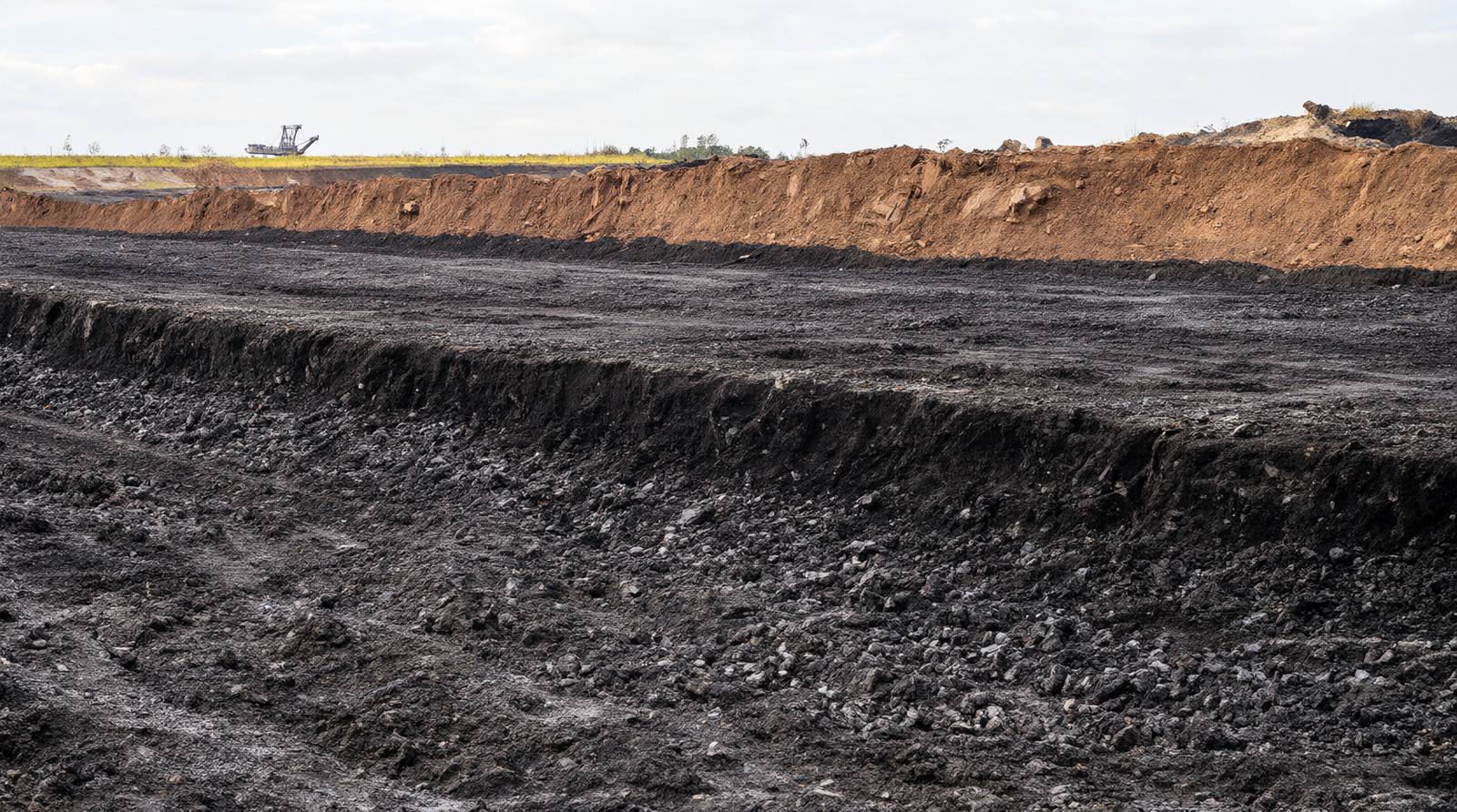
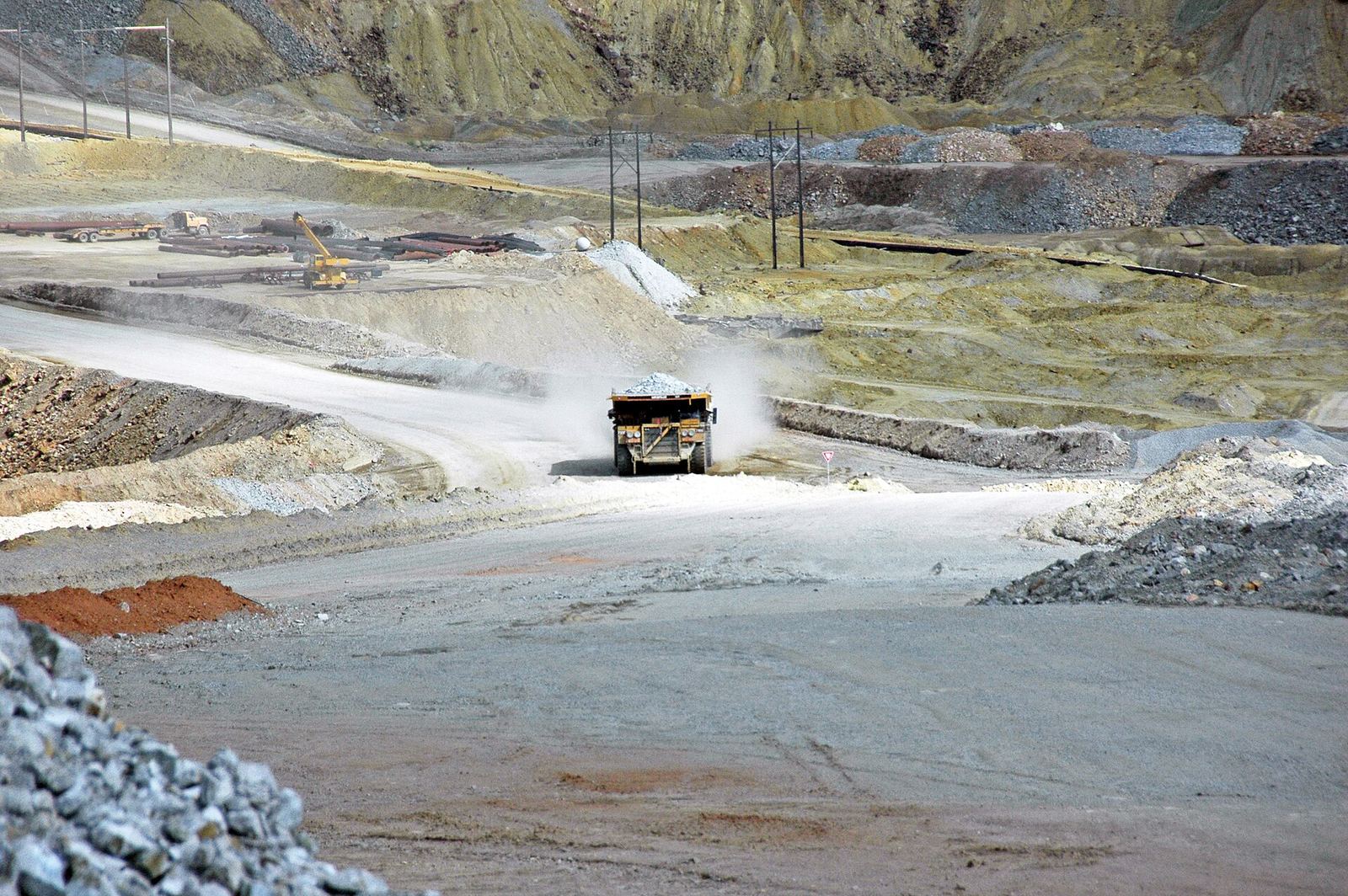
A coal pit can work several kinds of bench at once. Exxaro’s reserves report describes the Grootegeluk open pit as “two overburden benches, nine RoM benches and three interburden benches” (Exxaro, Grootegeluk CMRR 2019, read 25 Sep 2026). The waste benches among them feed the strip ratio.
What bench height does to the blast
Hole depth (m) = bench height H (m) + subdrill (m)
Stiffness ratio = H ÷ burden B
Hole depth ÷ B = 1.4 to 4.0 for bench blasting
Hole diameter d (in) = hole depth (ft) ÷ 5 to 10, typically ÷ 7 (OSMRE)
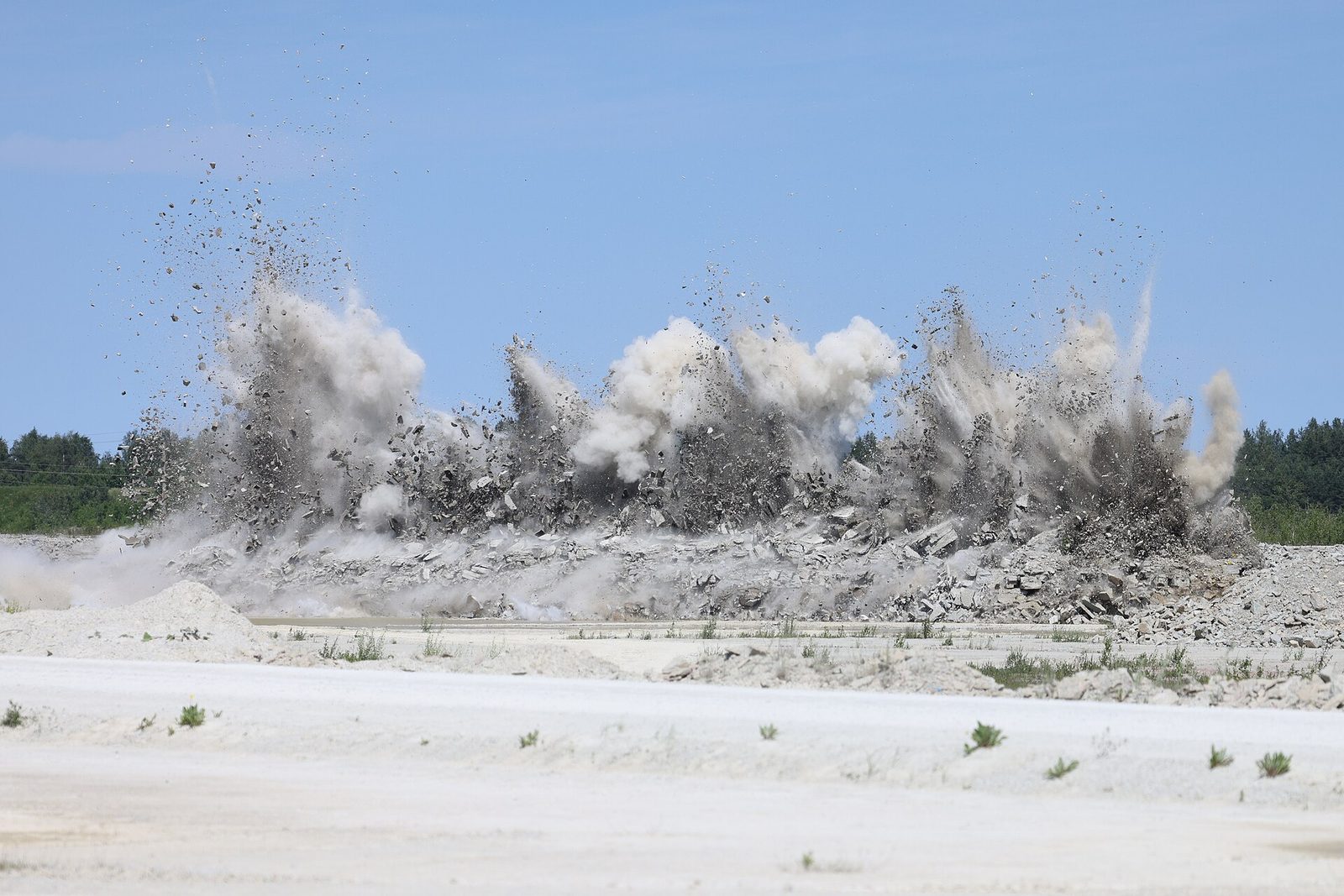
The stiffness ratio and the depth to burden range come from a 2019 Ghana Mining Journal paper, which also warns that hole depths below 1.5 times the burden cause excessive airblast, flyrock and coarse, uneven fragmentation. Too much subdrill, it notes, gouges the floor and makes holes on the bench below hard to collar (Agyei and Owusu-Tweneboah 2019, read 25 Sep 2026). The diameter rule is OSMRE’s (OSMRE, Blast Design Rules of Thumb, read 25 Sep 2026). To cut ground vibration, OSMRE’s blast effects module suggests a lower bench among other options (OSMRE Module 8, read 25 Sep 2026).
The powder factor and fragmentation guide uses bench height for the rock volume per hole.
Common questions
What decides the height of a bench?
Mainly the loading equipment. Hacettepe’s notes name equipment size, mining selectivity, government regulations and safety, and relate height to the digging machine. They give 10 to 15 m in waste and 8 to 12 m in ore for power shovels.
What is the difference between a bench and a berm?
A bench is a working level dug from its face. In the pit slope sense, a berm is a ledge left in the final wall to keep the slope stable and catch loose material. The notes add that a berm can also carry a haul road.
How does bench height affect blasting?
It sets the hole depth, and with it the hole diameter and the ratio of bench height to burden. A 2019 Ghana Mining Journal paper puts the hole depth at 1.4 to 4.0 times the burden; below about 1.5 times, airblast, flyrock and coarse, uneven fragmentation follow.
Sources
- Hacettepe University, MAD455 Surface Mining course notes. Read 25 Sep 2026.
- Exxaro Resources, Consolidated Mineral Resources and Mineral Reserves report 2019: Grootegeluk. Read 25 Sep 2026.
- Agyei, G. and Owusu-Tweneboah, M., A Comparative Analysis of Rock Fragmentation using Blast Prediction Results, Ghana Mining Journal 19(1), 2019, pp. 49-58. Read 25 Sep 2026.
- US Office of Surface Mining Reclamation and Enforcement, Blast Design Rules of Thumb - Coal. Read 25 Sep 2026.
- US Office of Surface Mining Reclamation and Enforcement, Blaster training Module 8: Controlling the Adverse Effects of Blasting. Read 25 Sep 2026.