Standing time in mining contracts: meaning and records
Standing time is when a contractor's machine is on site and ready but cannot work for a reason it does not control. What it means and what to record.
Definition
Standing time
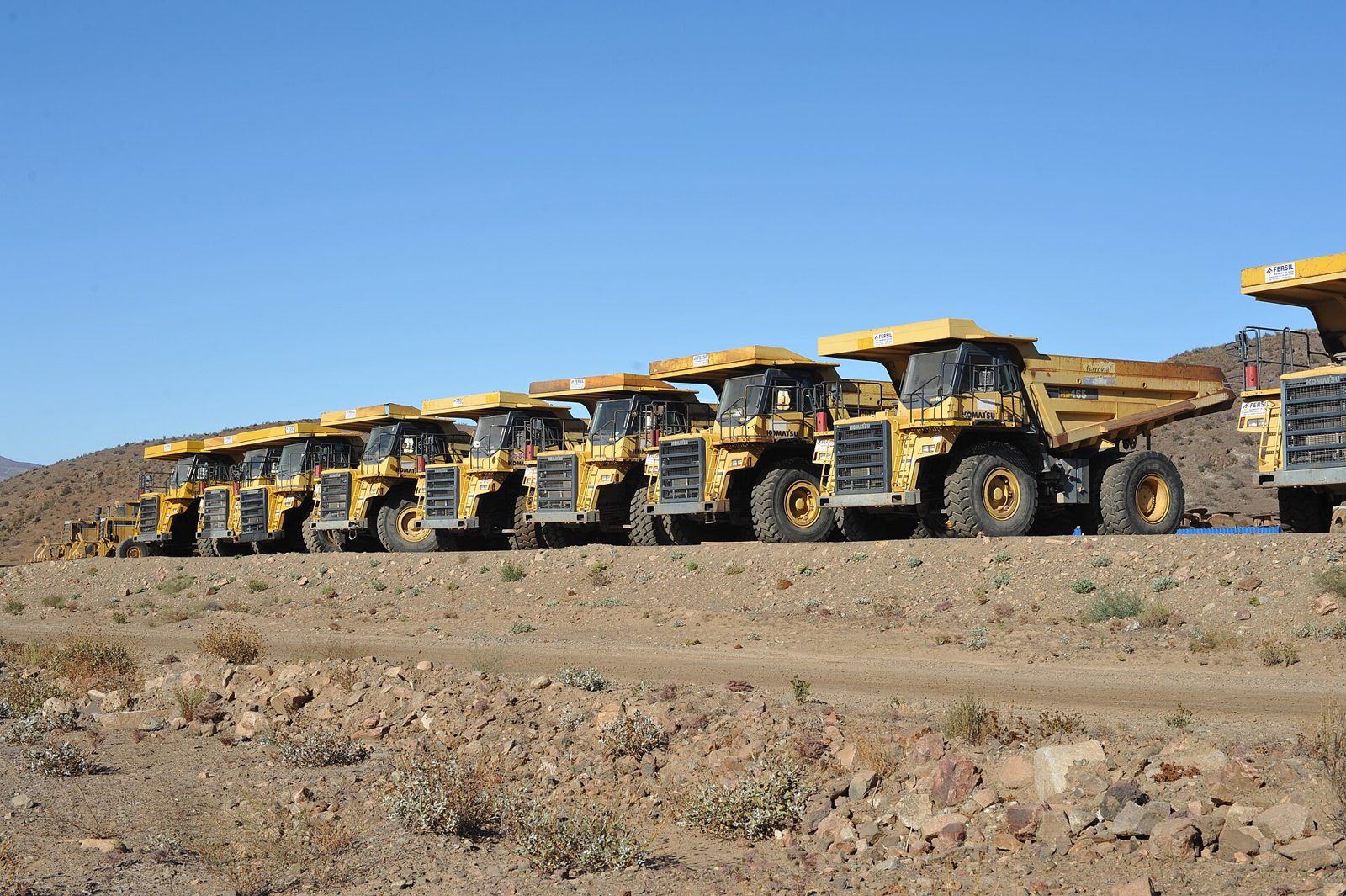
Standing time is time when a contractor's machine, usually with its operator, is on site, available and ready to work, but cannot work for a reason outside the contractor's control, such as a client instruction, a blast or a loader out of digging.
Contents 5 sections
Whether standing time is paid, and at what rate, is set by the contract. A claim for it holds only as well as the record made on the day.
On site the term covers a lot of ground. The client’s pit is flooded, a blast clears the area for two hours, or the mine’s loader is out of digging and the contractor’s trucks wait. Each is standing time if the contract puts that risk on the client.
Standing time, downtime and delays
The Global Mining Guidelines Group (GMG) time framework for surface mobile equipment gives a public split to work from (GMG, 2020, read 25 Sep 2026). Standing time sits closest to what GMG calls External Standby: the equipment is “available, required, and committed to a project or site” but cannot be operated for reasons “out of the immediate influence of operating management control”. GMG notes that the category applies to a contractor when the client shuts the equipment down for lack of work but wants it available.
| Term | GMG definition, shortened | GMG examples | Who carries it, by default (check the contract) |
|---|---|---|---|
| Standing time (External Standby) | Available and required, cannot operate for reasons outside operating control | Work suspension by owner; loading unit out of digging; loss of site access (under 12 hours) | The client, if the contract says so |
| Downtime (breakdown) | Required but “not in a condition to perform its intended function” | Breakdown, service, repair | The contractor |
| Operating delay | Operating but “temporarily stopped” by delays inherent to the operation | Fuelling; blasting; weather with the operator on the unit | Priced into the contractor’s rates |
| Operating standby | Available, not operating, by a decision within management control | Shift change; lunch and coffee breaks; safety meeting | The contractor |
| Unscheduled time | Not scheduled because the equipment is not required due to external events | Force majeure; labour dispute; statutory holiday not worked | Set by the contract |
Two points follow. A broken machine is never standing: it is downtime. And a blast can land in either column. GMG lists blasting under operating delay, so a routine blast the contractor priced for is a delay. A blast the client moves, or one that clears the pit for longer than planned, may be standing time. The contract and the day’s record decide which.
Idle is a different measure again. It is an engine running with no work done, and a standing machine may have its engine off. See idle time in mining fleets.
How contracts treat standing time
Rate. Many contracts pay standing time at a standing or standby rate below the working rate. A 1988 US Federal Highway Administration memo on force account work sets out the reasoning: standby leaves out costs tied to use because “there is no wear and tear to the equipment during idle time”. The memo accepts “50 percent of the ownership rental rates” as a standby rate (US FHWA, read 25 Sep 2026). Mining contracts set their own figure, so read the rate schedule.
Claims under standard forms. Where standing time is not priced in the schedule, it is claimed as a delay or a cost claim, with strict notice periods:
- GCC 2015 (South African Institution of Civil Engineering): a written claim to the Employer’s Agent “within 28 calendar days after the occurrence”, with updated particulars each month while the event continues (Tiefenthaler Legal, read 25 Sep 2026). In one answer about a public holiday claim, SAICE’s own FAQ lists “standing Construction Equipment” among the costs the contractor has to quantify. The same FAQ lists a “Record of facts in prescribed pro forma to assess Contractor’s claim” among the Employer’s Agent’s notices, under clause 10.1.3 (SAICE GCC 2015 FAQ, read 25 Sep 2026).
- FIDIC (1999 forms, sub-clause 20.1): notice “not later than 28 days” after the contractor became aware, or should have become aware, of the event. Miss it and “the Contractor shall not be entitled to additional payment” (Gould, hosted by FIDIC, read 25 Sep 2026). The 2017 forms keep a 28-day notice of claim and allow 84 days for the fully detailed claim (Gowling WLG, read 25 Sep 2026).
- NEC clause 61.3: an eight-week time bar for notifying compensation events (NEC Contracts, read 25 Sep 2026).
Many mining contracts are bespoke. The notice clause in yours is the one that counts.
What to record for a standing time claim
FIDIC’s 1999 sub-clause 20.1 requires the contractor to keep “contemporary records”. A Falkland Islands judgment quoted in the same paper described them as documents “produced or prepared at or about the time giving rise to a claim”, and held that witness statements written later “are no substitute” (Gould, hosted by FIDIC). A standing time claim built at month-end from memory is weak for the same reason. The same problem runs through other site records, as this piece on late reconstruction of the shift record describes.
Keep the contractor’s own downtime and operating standby in the same record, marked separately, so the client can see that breakdowns and breaks were left out of the claim. That shortens the month-end review. The step-by-step month-end is in month-end in contract mining.
This page summarises common contract terms for contractors. Your own contract governs, so take advice on it before a claim.
Common questions
Is standing time paid at the full hire rate?
Only if the contract says so. Many contracts pay a lower standing or standby rate, because the machine is not burning diesel or wearing. A 1988 US highway memo, for example, accepts 50% of the ownership rental rate as a standby rate. Read your own contract’s rate schedule.
Is a breakdown standing time?
No. A machine that is broken is not available, so GMG classes the time as downtime, which contracts normally leave with the contractor. Standing time needs the machine to be available and ready.
How soon must a standing time claim be notified?
Within the period your contract sets, and the periods are short. Under the GCC 2015 the written claim is due within 28 calendar days after the event. FIDIC’s 1999 forms require notice within 28 days of the contractor becoming aware, and NEC’s clause 61.3 sets eight weeks for notifying a compensation event.
Sources
- A Standardized Time Classification Framework for Mobile Equipment in Surface Mining (2020), Global Mining Guidelines Group, read 25 Sep 2026.
- GCC 2015 corrections and frequently asked questions (2017), South African Institution of Civil Engineering, read 25 Sep 2026.
- Time is money: understanding extension of time claims under the GCC (2023), Tiefenthaler Legal, read 25 Sep 2026.
- Making claims for time and money: understanding the impact of notice provisions, Nicholas Gould, hosted by FIDIC, read 25 Sep 2026.
- FIDIC: claims for time under the 1999 / 2017 Red Book (2024), Gowling WLG, read 25 Sep 2026.
- Notifying compensation events and time bars: a fairer approach needed (2022), NEC Contracts, read 25 Sep 2026.
- Equipment rental rates (1988), US Federal Highway Administration, read 25 Sep 2026.