BCM (bank cubic metre): meaning and converting to tonnes
A bank cubic metre (BCM) is one cubic metre of rock or soil in the ground, before it is dug. How swell, load factor and density convert BCM to tonnes.
Definition
BCM (bank cubic metre)
A bank cubic metre (BCM) is one cubic metre of rock or soil as it lies in the ground, before it is dug.
Contents 6 sections
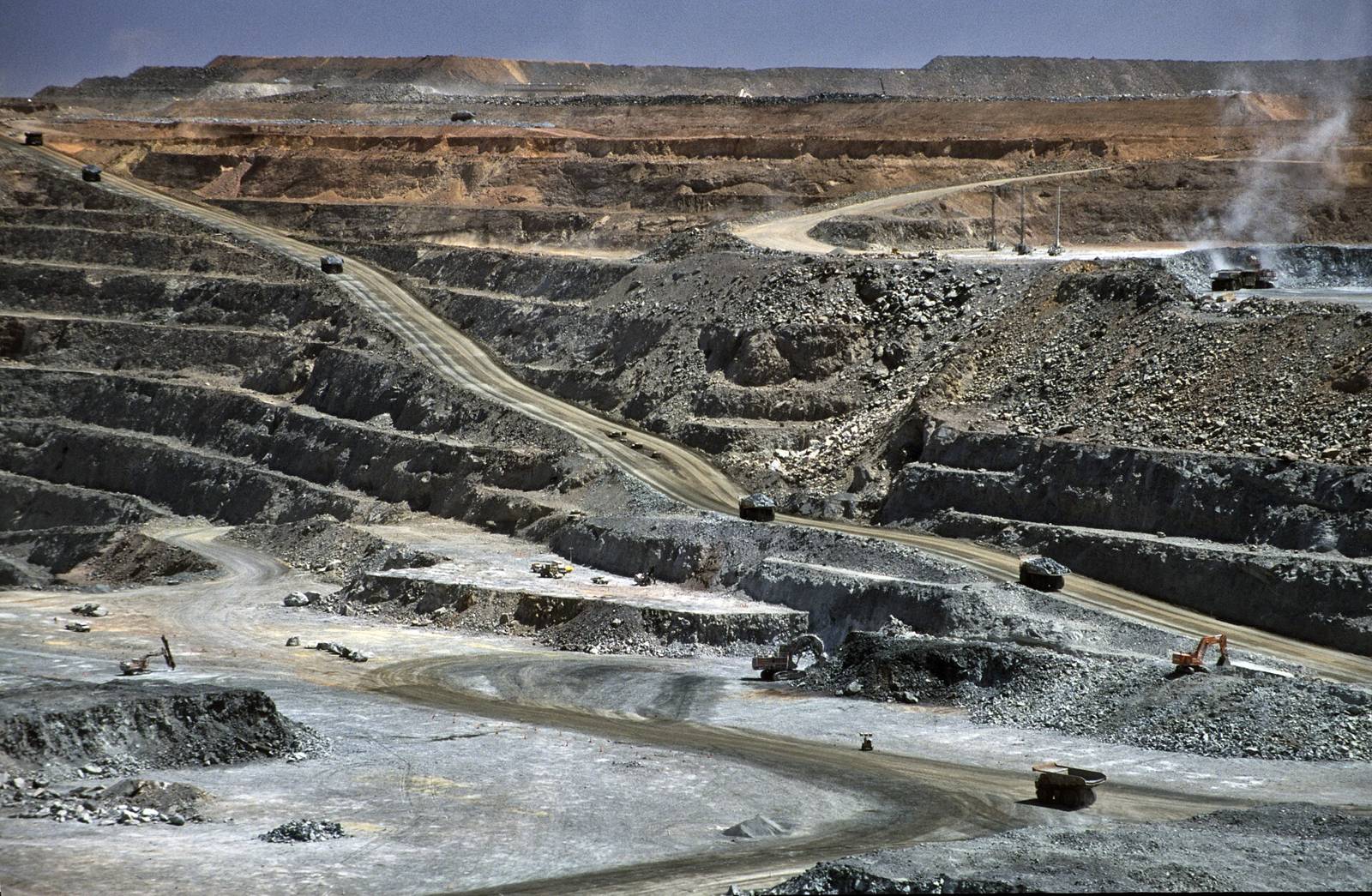
Contractors on overburden are often paid per BCM, because a BCM measures the ground moved from the pit. The looser volume in the truck changes with how the rock breaks, while the bank volume stays fixed.
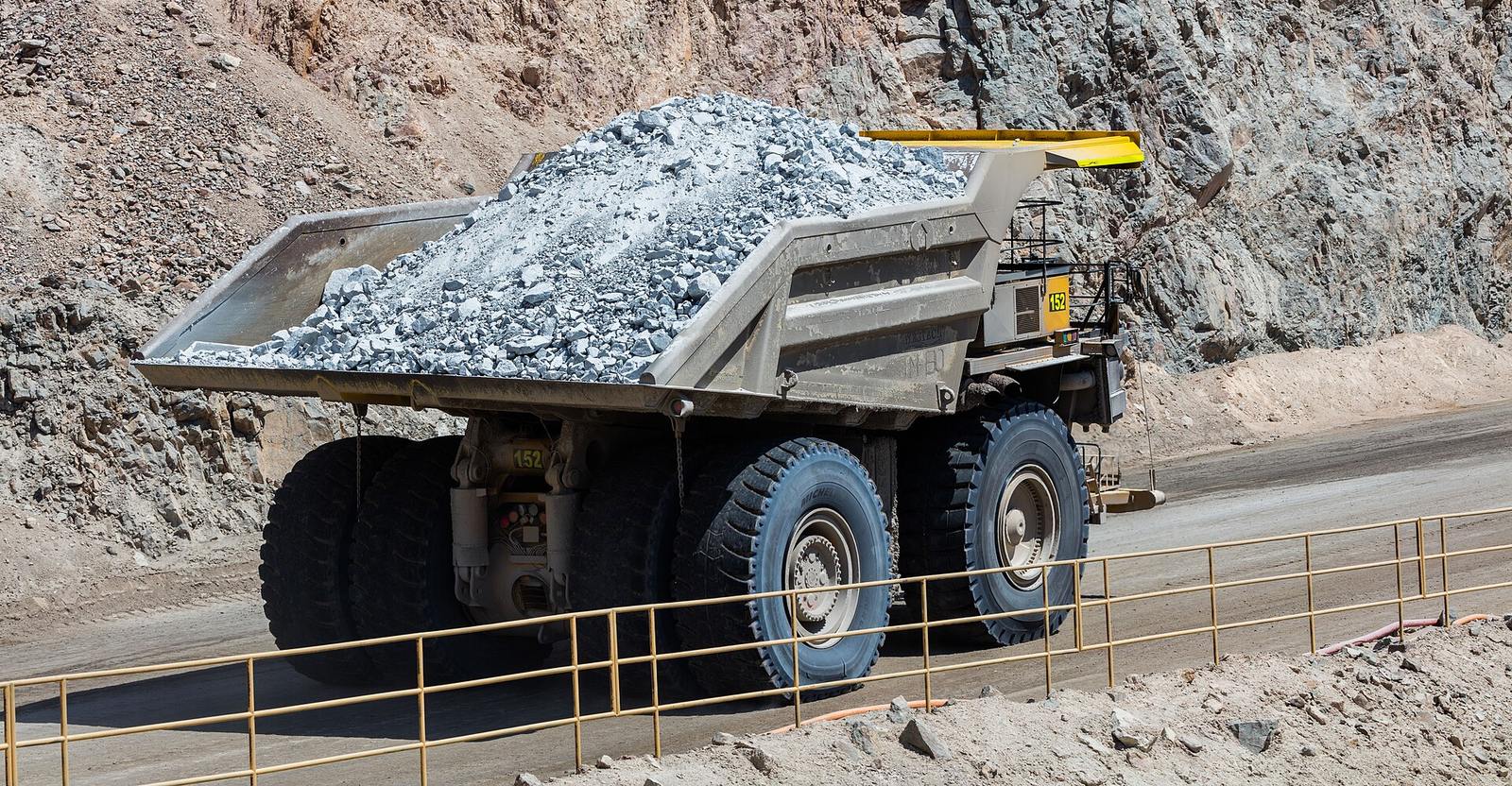
Once the ground is blasted and loaded it breaks up, holds air and takes more space. The weight stays the same. So one BCM becomes more than one cubic metre in the truck, and every conversion on a load and haul job starts from that.
The three volumes
The Caterpillar Performance Handbook (Edition 50, June 2022) defines three states of the same material (Caterpillar, page 25-2, read 25 Sep 2026).
| Volume | Short form | What it is | Where you meet it |
|---|---|---|---|
| Bank | BCM | Material as it lies in the natural bank state | Mine plans, surveys, contract rates for overburden |
| Loose | LCM | Material disturbed and swelled by digging | Bucket and truck body capacity, stockpiles |
| Compacted | CCM | Material compacted and made denser | Haul roads, ramps, backfill, dams |
The handbook’s own example: a bank cubic yard swells 30% to 1.3 loose cubic yards when loaded, and compacting it can bring it down to 0.8 compacted cubic yards. The weight is the same at every stage.
Swell and load factor
Swell is the percentage by which a material’s volume increases when it is removed from its natural state. The load factor is the other direction: multiply loose volume by it to get bank volume.
Loose volume (LCM) = Bank volume (BCM) x (1 + swell)
Load factor = 100% / (100% + % swell)
Bank volume (BCM) = Loose volume (LCM) x load factor
Tonnes = BCM x bank density (tonnes per BCM)
The handbook’s material table lists loose density, bank density and load factor for each material. A footnote to the table warns that the figures vary with moisture, grain size and compaction, and that tests must be made to find the exact values.
The same 25,200 tonnes can be described as 10,000 BCM or 16,667 LCM. The contract has to say which one it means.
BCM, tonnes or hours in a contract
The handbook notes that earthmoving and overburden removal for coal mines are generally calculated by volume in bank cubic metres. Metal mines and aggregate producers mostly work in weight (Caterpillar, page 25-1).
The unit decides which risk sits with the contractor:
| Paid on | The contractor carries | The usual dispute |
|---|---|---|
| BCM | Swell and fill factor, because trucks carry loose volume | Survey volume against the contractor’s load count |
| Tonnes | The payload on each load | Weighbridge or payload system readings, and the density used |
| Hours | Little of the volume risk | Which hours count, and standing time |
On a BCM contract, a bucket that fills poorly or a truck that runs light costs the contractor. The mine pays for ground removed.
How BCM is measured
The handbook lists four ways to find the load a machine carries: weighing with scales, estimating from the machine’s rating, surveyed volume divided by load count, and an on-board payload system. It also mentions photogrammetry and laser scanning of hauler bodies.
On a contract, two numbers meet at month-end:
- Survey. The surveyor measures the ground before and after mining. The difference is BCM, with no factor needed.
- Load count. Loads per truck, multiplied by a volume or payload per load, converted back to BCM with a load factor or a bank density.
They disagree because the load count depends on factors. The handbook says the BCM carried is the load weight divided by the bank density.
Other gaps come from material dumped in the wrong place, rehandle counted twice and survey pickups done on different dates to the load count. Agree the densities and survey dates in writing before the first month.
For how waste volumes relate to the coal or ore mined, see strip ratio. For turning BCM into a rate, see cost per tonne in contract mining.
Common questions
What is the difference between BCM and LCM?
A BCM is a cubic metre of material in the ground. An LCM (loose cubic metre) is the same material after digging, when it has broken up and takes more space. The weight does not change, only the volume.
How do you convert BCM to tonnes?
Multiply the BCM by the material’s bank density in tonnes per cubic metre. Sandstone at 2,520 kg per bank cubic metre gives 2.52 tonnes per BCM. Use a density tested on your own site where you have one.
Who measures BCM on a contract?
The contract should name who measures and how. Where the mine’s surveyor measures the volume, the contractor checks it against its own load counts. Both sides should agree the method, the densities and the survey dates before the first month is billed.
Sources
- Caterpillar, Caterpillar Performance Handbook, Edition 50 (SEBD0351-50), June 2022, pages 25-1 to 25-4 and 27-6. Read 25 Sep 2026.