Strip ratio and overburden explained
Strip ratio is the waste removed for each unit of ore or coal mined. SA opencast coal often quotes it in BCM of waste per tonne. Formula and examples.
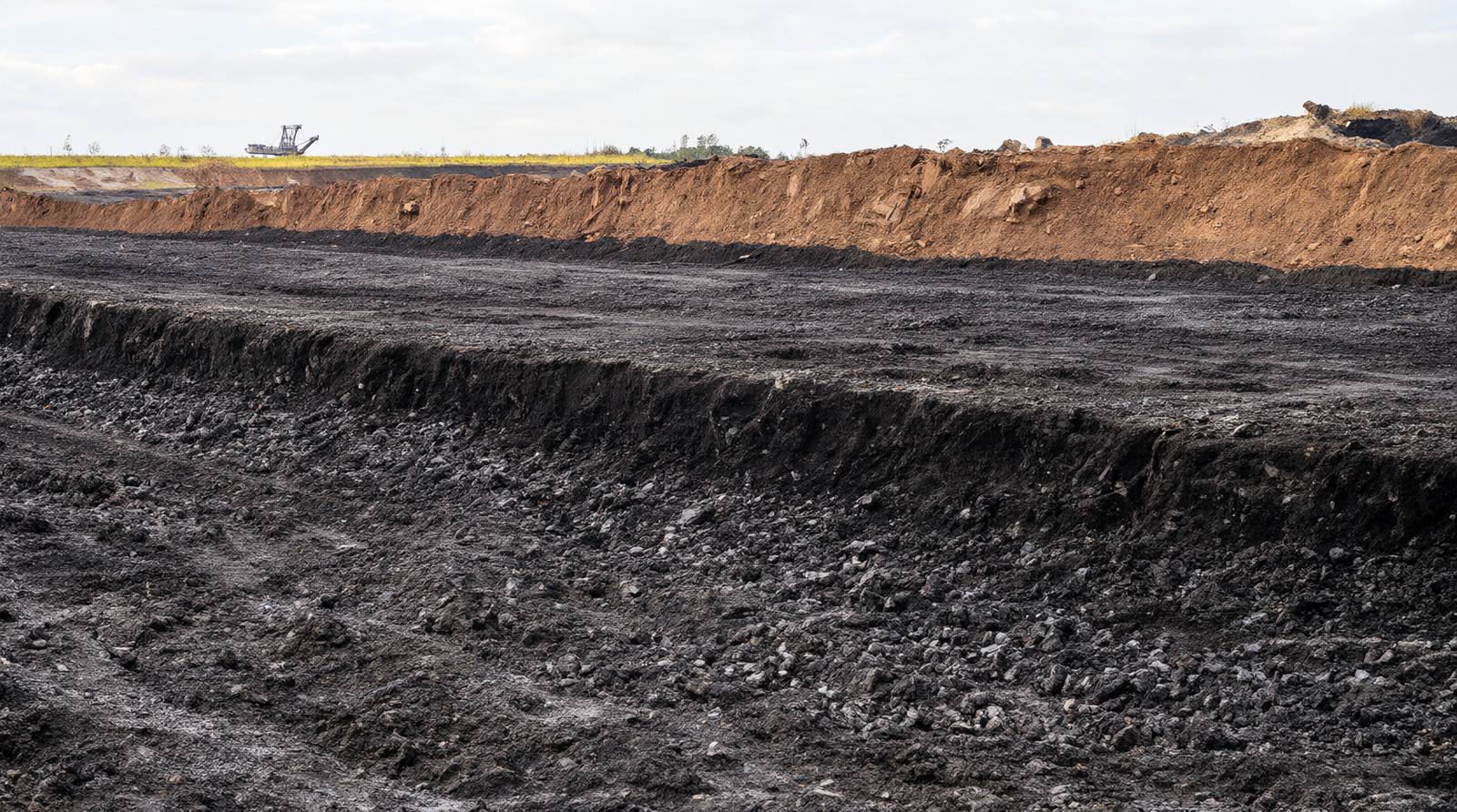
Definition
Strip ratio
Strip ratio is the amount of waste rock or soil that must be removed for each unit of ore or coal mined, expressed by volume, by mass, or in South African opencast coal as bank cubic metres of waste per tonne of coal.
Contents 7 sections
Hard rock pits often quote strip ratio as tonnes of waste per tonne of ore, while South African coal figures are often in bank cubic metres of waste per tonne of coal. Check the units before comparing two figures.
University mining notes define it as the volume of overburden or waste removed to the volume of ore recovered, and note it is more often expressed in tonnes per tonne, with some commodities quoted in volume per tonne (Hacettepe University, MAD455 notes, read 25 Sep 2026).
Strip ratio formula
Strip ratio = waste removed / ore or coal mined
By volume: BCM of waste / BCM of ore
By mass: tonnes of waste / tonnes of ore
Mixed, as in SA coal: BCM of waste / tonnes of coal
Tonnes of waste per tonne = BCM of waste per tonne x bank density of the waste
The same notes define the average strip ratio as total waste divided by total ore within the final pit. A contractor meets the ratio block by block and month by month, and that can sit well above or below the average, as the Kriel figures below show.
Overburden and interburden
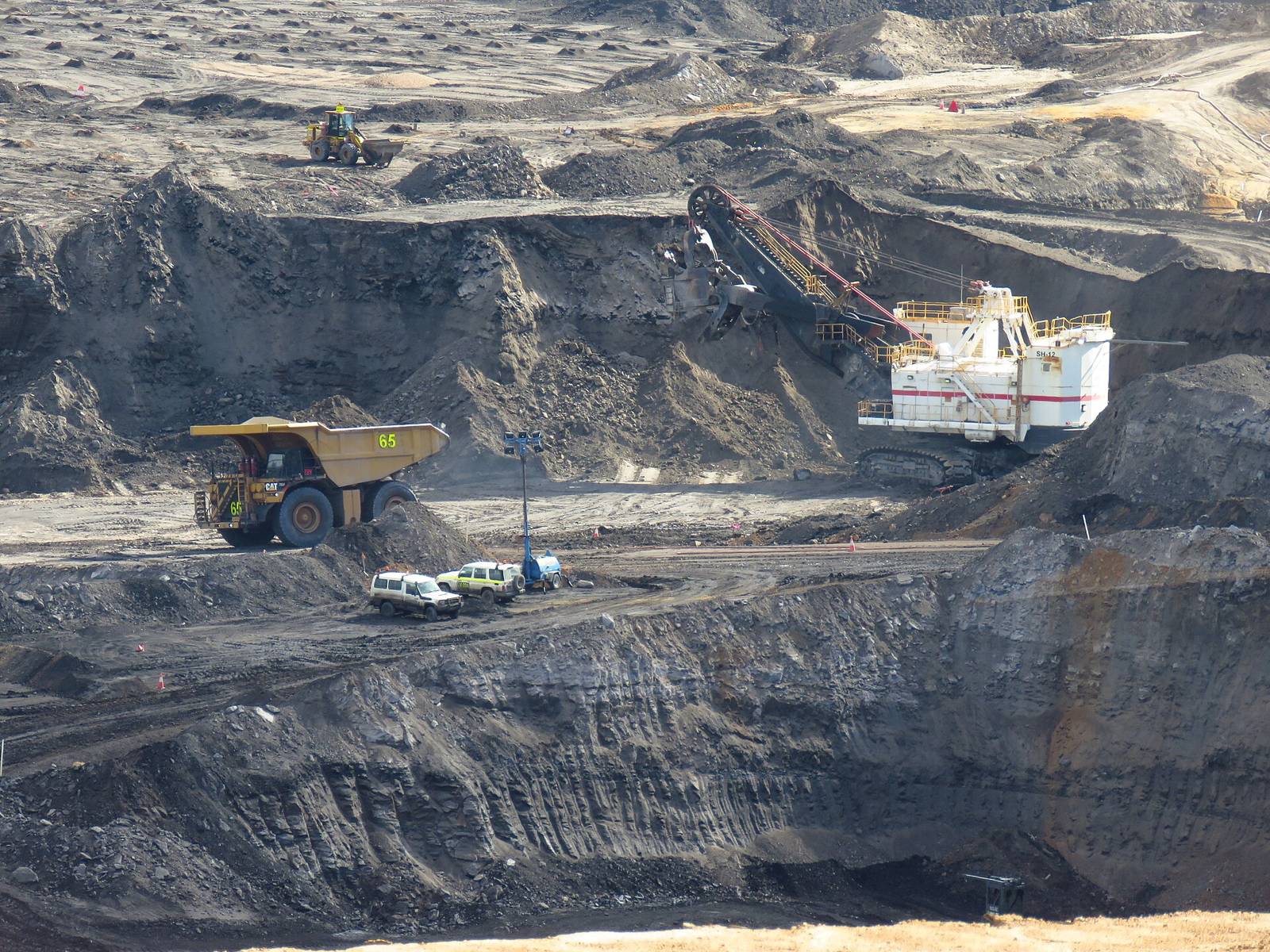
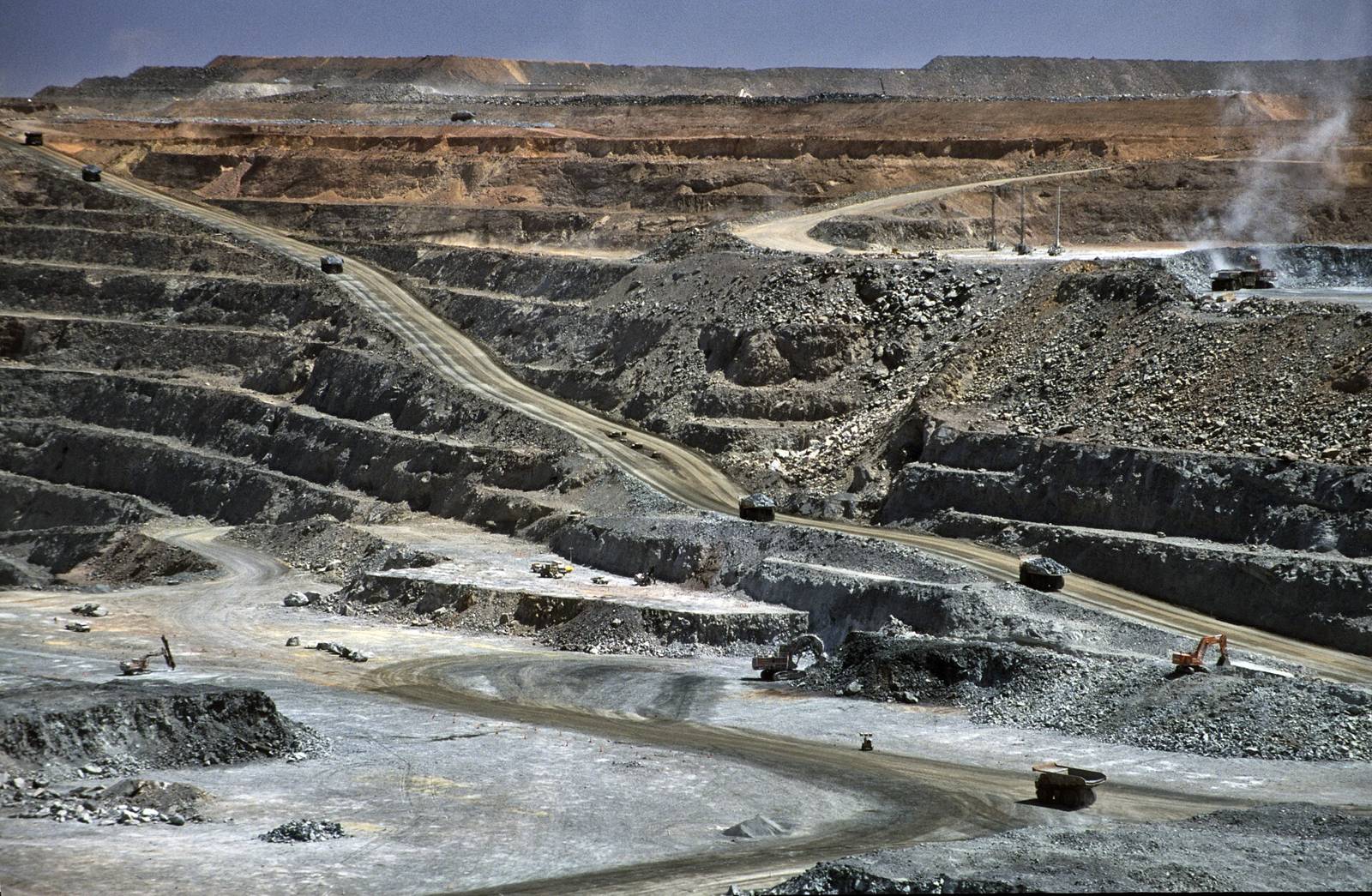
Overburden is the waste above the top seam or orebody. Interburden is the waste between seams. Both are waste in the strip ratio.
Exxaro describes Grootegeluk as one open pit with two overburden benches, nine run of mine benches and three interburden benches. It leaves its best metallurgical coal zone out of the mine plan because of the high stripping ratio from a 12 m interburden sandstone above it (Exxaro, Mineral Resources and Reserves report 2019). Exxaro also sets a strip ratio cut-off at Grootegeluk on an energy basis, stated in GJ per ex-pit tonne.
Strip ratios from South African coal
| Operation | Strip ratio | Units | Source |
|---|---|---|---|
| Kriel Colliery, planning figure | 6:1 | 27 million BCM of overburden a year for 4.5 million tonnes of coal a year, which works out at 6 BCM per tonne | SAIMM Journal, January 1980 |
| Kriel, Block 4 pits | 3.6 to 4.2 average, 5.0 to 7.5 maximum | Not stated in the table (the paper’s planning figure is BCM per tonne) | SAIMM Journal, Table II |
| Kriel, Block 6 pits | 5.3 to 5.6 average, 8.1 to 9.0 maximum | Not stated in the table (the paper’s planning figure is BCM per tonne) | SAIMM Journal, Table II |
| Makhado (feasibility study) | 2.48:1.0 over the life of mine | BCM of waste per tonne of coal | MC Mining, 13 April 2022 |
The Kriel paper (Buchan, Baars and Northcote, SAIMM Journal, 1980) does not state units in its table of pit ratios. We read them as BCM per tonne because its planning ratio of 6:1 matches 27 million BCM for 4.5 million tonnes of coal. The paper says the large variation in stripping ratio between pits was the main problem in planning the opencast operation. Average ratios ran from 3.6 in one pit to 5.6 in another, on the same mine. The Makhado figure is from the bankable feasibility study announced by MC Mining (MarketScreener).
Break-even strip ratio
The cutoff or break-even strip ratio is the point where the cost of mining a tonne of ore and its waste equals the net revenue from that tonne (Hacettepe notes). Past it, the waste costs more than the ore is worth. The first formula below is that definition rearranged.
Break-even strip ratio = (net value per tonne of ore - cost per tonne of ore, excluding waste) / cost per unit of waste
Against underground mining: K = (My - Ma) / Md, with My the underground mining cost per tonne, Ma the open pit mining cost per tonne and Md the stripping cost per cubic metre
Illustrative figures: coal worth R600 per tonne at the mine, R350 per tonne to mine and process it, and R40 per BCM to strip the waste. Break-even = (600 - 350) / 40 = 6.25 BCM per tonne.
The second form comes from the same notes and compares opencast with underground mining of the same seam.
Why it matters to a contractor
Strip ratio sets how many BCM a coal tonnage target turns into. A mine that holds its coal target through a high strip ratio block needs more waste moved in the same month. Where the contract pays per tonne of coal, that extra waste is the contractor’s cost. Where it pays per BCM, the extra waste is billed. When coal prices fall, the break-even strip ratio falls with them, which puts high-ratio blocks at risk of being deferred.
Common questions
What is a good strip ratio?
There is no single figure. A strip ratio is workable while the value of the coal or ore still pays for mining it and the waste above it. That limit is the break-even strip ratio, and it changes with prices and costs.
Is strip ratio measured by volume or by weight?
Both are used, so check the units. Hard rock pits often quote tonnes of waste per tonne of ore. South African opencast coal figures are often given in bank cubic metres of waste per tonne of coal.
What is the difference between overburden and interburden?
Overburden is the waste above the top seam or orebody. Interburden is the waste between two seams. Both have to be moved, and both count as waste in the strip ratio.
Sources
- Hacettepe University, MAD455 Surface Mining course notes: Open pit fundamentals. Read 25 Sep 2026.
- I. F. Buchan, L. F. Baars and C. S. Northcote, Opencast coal mining at Kriel Colliery, Journal of the South African Institute of Mining and Metallurgy, January 1980. Read 25 Sep 2026.
- MC Mining, Makhado Project Bankable Feasibility Study Completed, 13 April 2022, as published by MarketScreener. Read 25 Sep 2026.
- Exxaro Resources, Consolidated Mineral Resources and Mineral Reserves report 2019: Grootegeluk. Read 25 Sep 2026.
- Caterpillar, Caterpillar Performance Handbook, Edition 50 (SEBD0351-50), June 2022, page 27-5. Read 25 Sep 2026.