Job card: what it is and what a mine workshop must record
A job card records one maintenance job on one machine: hour meter, fault, work done, parts, labour, lockout and sign-off. The fields a workshop needs.
Definition
Job card
A job card is the written record of one maintenance or repair job on one machine, showing the machine and its hour meter reading, the fault, the work done, the parts and labour hours used, and the signatures that close the job and release the machine back to work.
Contents 6 sections
In a South African mine workshop the job card is also the usual evidence that the maintenance, isolation and lockout procedures required under Chapter 8 of the Mine Health and Safety Regulations were followed on that job.
Each card covers one job on one machine. A card that covers three machines, or a week of work on one, cannot be used for reliability figures or produced as evidence for a single repair.
What a job card records
| Field | What to write | Why it is needed |
|---|---|---|
| Job card number | A unique number, never reused | Links the card to parts issues, invoices and follow-up jobs |
| Machine | Fleet number, make, model, serial number | Warranty and service history follow the serial number |
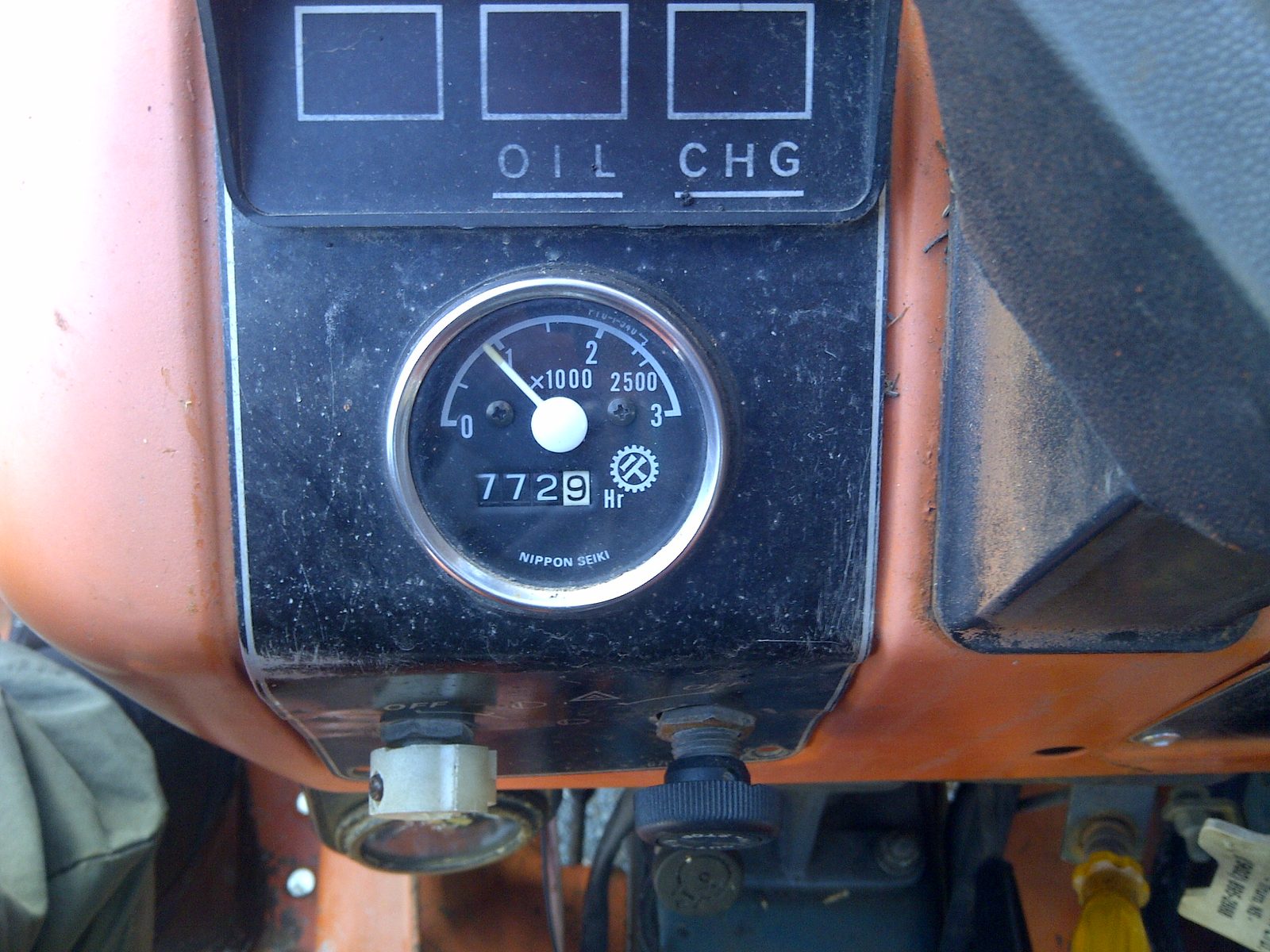
| Hour meter at open and close | The engine hour reading, plus any second meter (percussion, pump) | Places the job in the service history; the basis for MTBF |
| Date and time: fault reported, work started, work finished, machine released | Four times, each to the nearest quarter hour | Separates waiting from hands-on repair for MTTR and downtime |
| Type of job | Breakdown, planned service, inspection, modification | Only breakdowns count as failures for MTBF |
| Fault as reported | The operator’s words, and the pre-start or defect report it came from | Closes the loop from the pre-start check |
| Cause found | The component and what failed | Repeat failures show up only if the cause is written down |
| Work done | What was repaired, replaced, adjusted or tested | Proof of the repair and of the maintenance standard followed |
| Parts and fluids | Part numbers, quantities, oil and coolant litres | Cost per machine and warranty claims |
| Labour | Names, trade and hours per person | Cost, and evidence that competent people did the work |
| Isolation and lockout | Who isolated, locks applied, energy sources isolated, locks removed | Evidence the written lockout procedure was applied |
| Tests before release | Brake test, function test, leak check, as the job requires | Brake testing is a regulation 8.10.7 duty |
| Sign-offs | Artisan, supervisor or foreman, and the person releasing the machine | Shows an authorised person released it |
| Open items | Parts on order, follow-up jobs raised | Stops a known defect disappearing |
Keep every card in one numbered sequence and in one place, so the workshop, the site and head office read the same record. Some contractors hold job cards in the same system as machine hours, fuel and production; a single record for workshop, fleet and production data is one example.
What the regulations require of the work behind the card
The regulations do not name a job card or list its fields. They set duties that a job card is the natural place to evidence. Quoted from the Mine Health and Safety Council’s consolidated text (MHSC booklet, printed 2018, read 25 Sep 2026) and the 2015 gazette (GG 38493, No. R. 125, read 25 Sep 2026):
- Regulation 8.8(2) requires measures to prevent injury from machinery failing through “poor maintenance”.
- Regulation 8.8(3)(a): only persons authorised by the employer may “start, operate and maintain any machine” where that may pose a significant risk.
- Regulation 8.8(3)(g): where stored energy could hurt someone, “a written lockout procedure is prepared and implemented”.
- Regulation 8.8(5)(b): “all services, maintenance and repairs to diesel-powered equipment are performed by a competent person”.
- Regulation 8.10.7: braking systems on trackless mobile machines must be “adequately and routinely tested” and “regularly maintained”.
- Regulation 8.10.16: procedures for “the safe isolation and lockout of trackless mobile machines”.
- Regulation 8.10.18: “procedures and standards are prepared and implemented for maintaining trackless mobile machines in a safe operating condition”.
The Chief Inspector’s guideline for the trackless mobile machine code of practice adds that the code must cover “scheduling of maintenance, inspections and over inspections” and the “recording and safe keeping” of brake test results (DMR guideline 16/3/2/2-B2, read 25 Sep 2026). Check your mine’s own code of practice for the retention period and any form it prescribes.
Why the fields matter for MTBF and MTTR
ISO 14224, the international standard for collecting maintenance and reliability data, names three kinds of data: equipment data, failure data such as “failure cause”, and maintenance data such as “maintenance action, resources used, maintenance consequence, down time” (ISO 14224:2016 preview, read 25 Sep 2026). A job card with the fields above carries all three.
Two fields decide whether the figures can be trusted. The hour meter reading gives MTBF its operating hours; see engine hours, SMR and hour meters. The four times split downtime into waiting and repair. ISO 14224 defines active maintenance time as the “duration of a maintenance action, excluding logistic delay”, so a card that records only one time cannot separate the two.
Job cards as warranty records
Manufacturers ask for maintenance records as proof. Caterpillar’s C18 engine manual says documents should show “date, service hours, fuel consumption, unit number, and engine serial number”, and lists “dealer work orders and itemized bills”, owner’s repair costs, receipts and the maintenance log as proof of maintenance or repair for warranty (Caterpillar OMM SEBU7899, read 25 Sep 2026). For its emissions warranty the same manual says the absence of records “will not invalidate the warranty”. Read your own machine’s warranty terms. A complete job card is the easiest proof to produce either way.
Common questions
Is a job card a legal requirement on a South African mine?
The Mine Health and Safety Regulations do not name a job card. They require maintenance standards and procedures, written lockout, competent and authorised people, and brake testing for trackless mobile machines. The job card is the usual evidence that those were followed on a given job.
What is the difference between a job card and a work order?
Sites use the words differently. Where both exist, the work order is the instruction or request to do the work, and the job card is the record of what was done, by whom, with which parts and how long it took.
Does a planned service need a job card?
Yes. A planned service is maintenance on the machine and needs the same record. Mark it as planned so it stays out of the breakdown count used for MTBF.
Sources
- Government Gazette 38493, No. R. 125 of 27 Feb 2015, regulation 8.10, read 25 Sep 2026
- Mine Health and Safety Council, Mine Health and Safety Act 29 of 1996 and Regulations (printed 2018), read 25 Sep 2026
- DMR, Guideline for a mandatory code of practice for trackless mobile machines, DMR 16/3/2/2-B2, read 25 Sep 2026
- ISO 14224:2016, Collection and exchange of reliability and maintenance data for equipment (preview), read 25 Sep 2026
- Caterpillar, Operation and Maintenance Manual SEBU7899, C18 Industrial Engine, read 25 Sep 2026