Technology Guide
Telematics on mine sites: what OEM portals show and miss
Machine telematics records engine hours, fuel, location, idle time and fault codes. What manufacturers' portals show, ISO 15143-3 and what the data misses.
Contents 9 sections
Equipment telematics records what a machine can measure about itself: engine hours, fuel used, location, idle time, fault codes and, where fitted, load counts and payload. It cannot tell you why a machine stood, who told it to, what was loaded where or what it cost, so the feed has to be matched to the shift record before it answers a contractor’s questions.
What equipment telematics records
A telematics unit on the machine reads data from the machine’s own systems and a GPS receiver, then sends it to a server run by the telematics provider. With a manufacturer’s own factory unit, that server is the manufacturer’s. The international standard for this data describes it as “mobile machinery status data” held on “a telematics provider’s server” and passed to “customer applications via the Internet” (AEM, ISO/TS 15143-3 page, read 25 Sep 2026).
The data points below come from one large equipment manufacturer’s published list for its ISO 15143-3 feed, on a product page the manufacturer now marks as non-current (manufacturer’s ISO 15143-3 API page, read 25 Sep 2026). The last two columns are Pay Dirt’s reading of what each is good for on a mine.
| Data point | What it is | Good for | Limits |
|---|---|---|---|
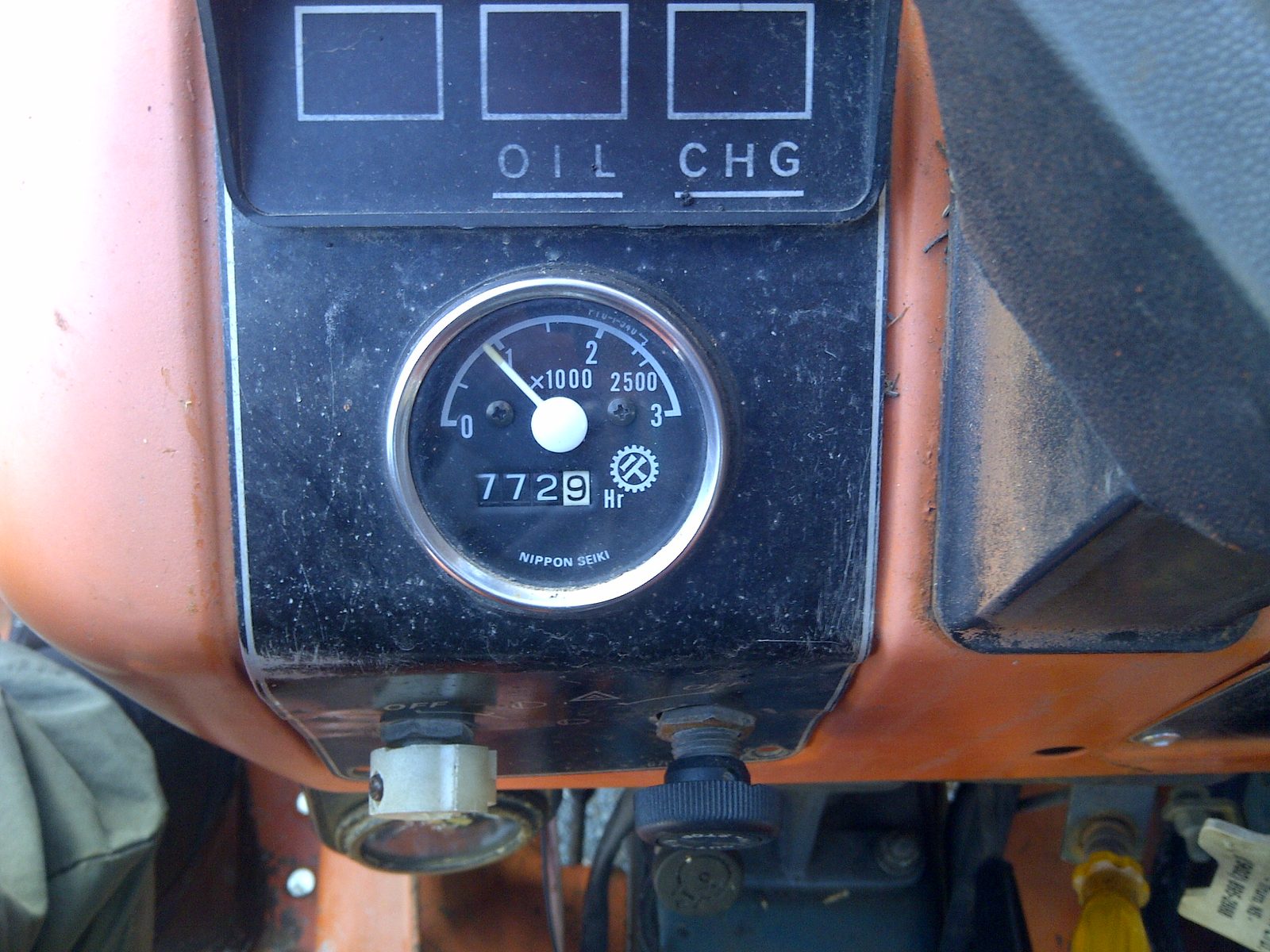
| Operating hours | Cumulative engine or machine hours | Service intervals, hire billing, hour meter checks | Counts hours running, including hours that produced nothing |
| Cumulative idle hours | Hours the machine reports as idle | Finding idle time by machine and shift | Does not say why it idled: queueing, waiting for a blast, or an operator on a break |
| Cumulative fuel used, fuel used in the last 24 hours | Fuel burnt, as the engine reports it | Litres per hour trends, comparing machines | Fuel burnt will differ from fuel issued at the bowser |
| Fuel and DEF remaining | Tank level as a ratio | Planning refuelling runs | A level, not a record of who filled it |
| Last known location | One GPS position | Finding a machine, checking it is on the right site | One point, not the route or the load’s destination |
| Engine condition | Reported engine state | Start and stop times | Does not say who was in the seat |
| Diagnostic trouble codes | Fault codes raised by the machine | Early warning for the workshop | The fitter still has to diagnose the fault and open a job card |
| Load count, payload totals | Loads and tonnes, where a payload system is fitted | Truck and loader production | Only on machines with payload systems; no material type or destination |
That manufacturer’s feed gives most items as a snapshot, which it defines as “the last reported value”. Only fault codes come as a time series, covering “up to two weeks” (manufacturer’s API page). A contractor who wants a month’s history has to pull the data regularly and keep it.
How OEM telematics portals present the data
Each manufacturer’s portal is built around its own machines and its own telematics units. The manufacturer quoted above says its data gives “useful information about machine health, fuel usage, operating and idle hours, location” (manufacturer’s API page). For a workshop that runs one make of excavator, one login covers the lot.
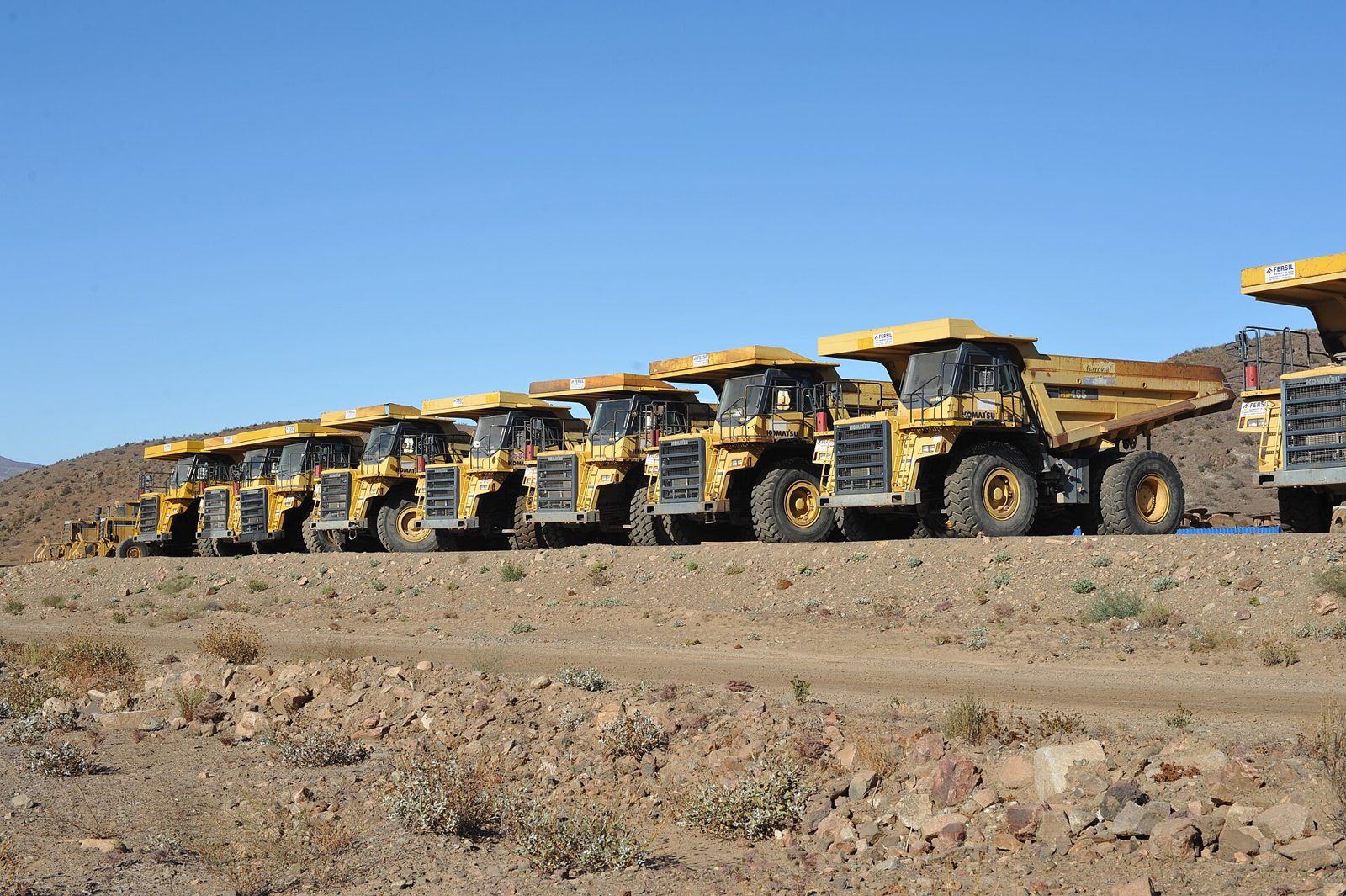
The trouble starts with the second make. Each manufacturer formats its data its own way. A 2014 trade article, written as the second version of the standard was announced, said: “each OEM has a different way of formatting telematics data” (Construction Business Owner, 22 Sep 2014). A site with haul trucks, loaders, excavators, dozers, graders and water carts from different manufacturers can end up with a portal and a login for each make, plus the vehicle trackers on the light vehicles.
ISO 15143-3: the mixed-fleet standard
The fix the industry agreed on is a common format for the basic data, so a customer’s software can request it from any manufacturer’s server in the same way.
| Year | What happened | Source |
|---|---|---|
| 2010 | The US Association of Equipment Management Professionals (AEMP) publishes a telematics data standard written with equipment manufacturers. Participating manufacturers could deliver data in the format by October 2010. | Automotive Fleet, 16 Feb 2010 |
| 2010 | The first version carries five data points: location, cumulative hours, cumulative fuel used, fuel used in the past 24 hours and distance travelled. It is free to use. | Construction Equipment, 29 Nov 2010 |
| 2014 | AEMP and the Association of Equipment Manufacturers (AEM) announce a new feed with 19 data elements and 41 fault codes. | Construction Business Owner, 22 Sep 2014 |
| 2015 | The standard goes through ISO approval as Part 3 of ISO 15143. Changes include more frequent data polling and units standardised to metric. | Rental Equipment Register, 10 Dec 2015 |
| 2016, 2020 | ISO publishes ISO/TS 15143-3 as a technical specification in 2016, then a second edition, ISO/TS 15143-3:2020, in January 2020. | ISO |
The industry still calls it AEMP 2.0. ISO says it applies to self-propelled earth-moving machinery and mobile road construction machinery “equipped with location and time instrumentation” (ISO/TS 15143-3:2020). AEM describes Part 3 as “a set of data elements common to the status and health” of earth-moving machinery, “collected by multiple OEMs or third-party telematics suppliers” (AEM, ISO 15143 series).
Two things follow for a contractor:
- The data sits on the provider’s server. The standard sets how your software asks for it. You still need access and credentials from each manufacturer, and the manufacturer quoted above asks for a paid subscription to view the combined fleet data in its own tools.
- The data set is the common one. Hours, fuel, idle, location, fault codes and, where fitted, payload. Anything the manufacturer records beyond that stays in its own portal.
The mixed-fleet problem
Through the standard, some manufacturers’ portals can take in other makes. The manufacturer whose data list appears above says its customers can bring in data “regardless of the manufacturer”. It also sets out who does what: the customer handles “activation of third party data sources and ensuring actual data is being reported”, while the manufacturer handles “collecting and storing third-party data” (manufacturer’s API page).
So a mixed fleet can be viewed in one manufacturer’s portal. What arrives from the other makes is the common data set, as often as the other maker’s server delivers it. A machine with no telematics unit, an older machine outside its subscription, or a hired machine on someone else’s account does not appear at all.
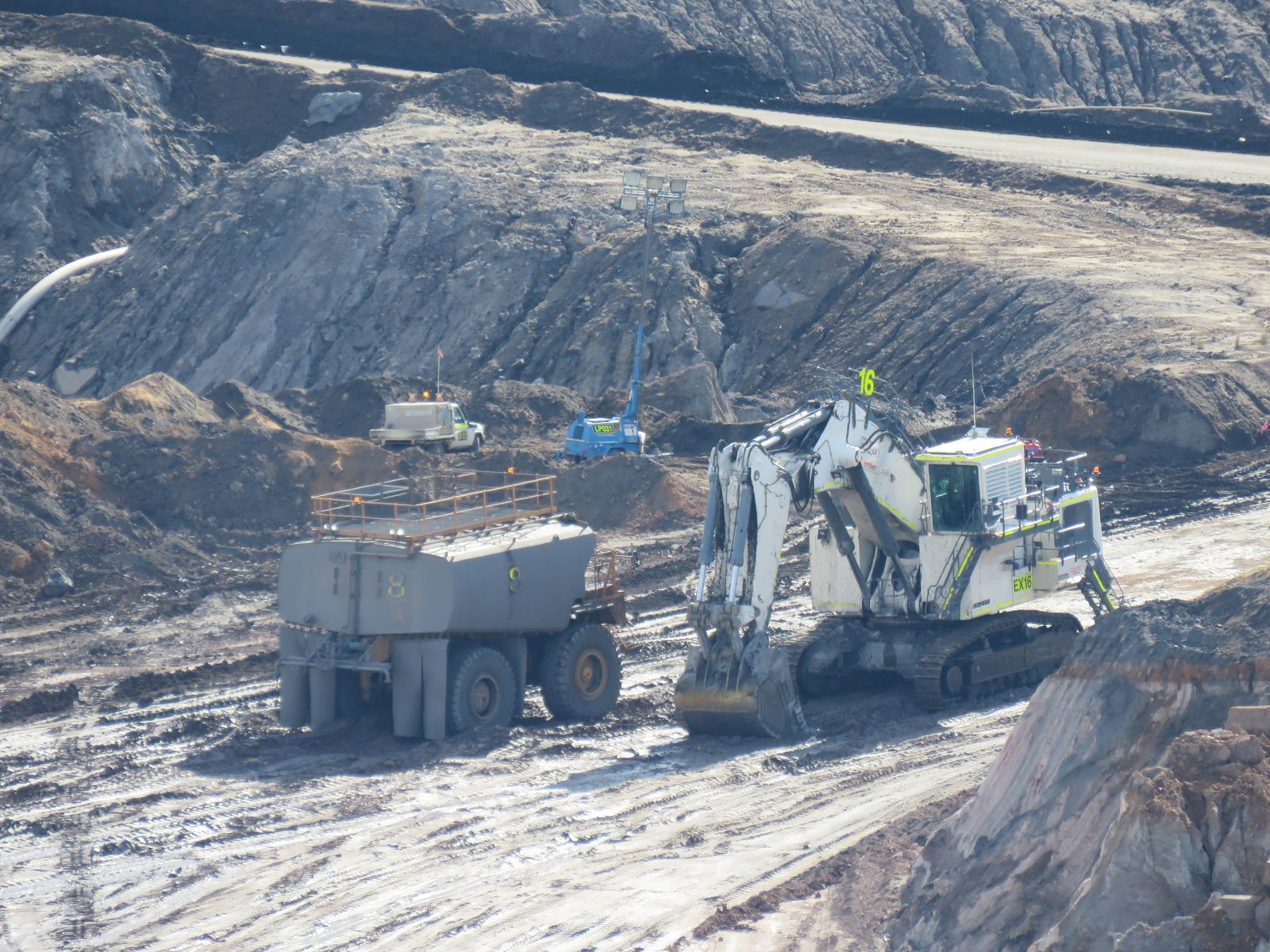
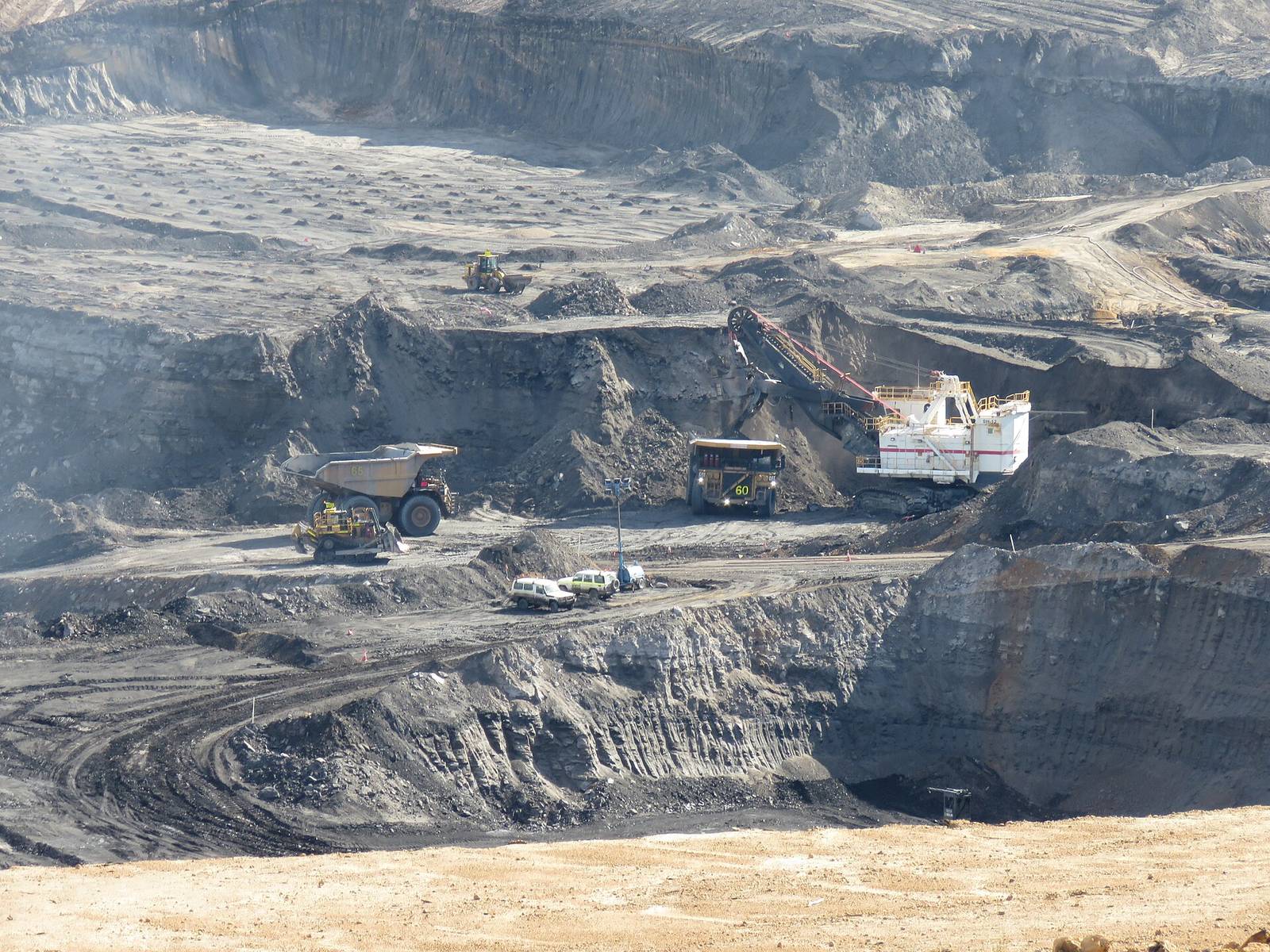
On a contract mining site the gaps grow. Hired machines come and go. The water cart may be a converted truck with a vehicle tracker. The mine client may own some of the fleet and hold its own portal logins. A contractor’s month-end then depends on how many of those feeds were pulled, and whether each machine’s hours in the feed agree with the hours on the timesheet.
Turning cumulative readings into shift figures
Most items in the feed are running totals: hours since new, fuel since new, idle hours since new. A shift figure is the difference between two readings, so the readings have to be taken at the shift boundaries and kept.
Two practical points follow. If a pull is missed, the shift figure is lost unless the history covers it, and the manufacturer quoted above gives most items only as the last reported value. The machine also needs the same identity in every record: the fleet number on the shift sheet, the serial number in the portal and the asset number in the hire agreement have to be mapped to each other once, and kept up to date as machines come and go.
What telematics cannot tell you
The feed is good at what the machine did. A contract is paid on why, for whom and at what rate. This table sets out the common questions and where the answer lives.
| Question | What telematics shows | Where the answer comes from |
|---|---|---|
| Why did the truck stand for two hours? | Engine off, or engine idling, with a start and end time | The foreman’s shift record: breakdown, no operator, waiting on the loader, blast delay, or client instruction |
| Who told it to stand? | Nothing | The shift record and the client’s written instruction, which is what a standing time claim rests on |
| What was loaded, and where did it go? | Load counts and payload where fitted; one location per report | Load tally by material and destination, dispatch or survey records |
| Who was operating? | Nothing, unless an operator ID system is fitted | The line-up and the pre-start sheet |
| Where did the diesel go? | Fuel burnt as the engine reports it | Bowser and tank issue records; the gap between issued and burnt is where diesel goes missing |
| Was the machine available but not used? | Hours running | Downtime records and job cards, which give mechanical availability and utilisation |
| What did it cost? | Nothing | Hire and contract rates, fuel price, parts and labour on job cards |
Each answer in the right-hand column is a record a person makes during the shift. When those records sit in paper books and spreadsheets and the feed sits in several portals, joining them up waits until month-end. Some contractors bring the feeds into the same system as those records; operations software that brings mixed-fleet records together is one example of that approach. Others export from each portal and reconcile by hand. Either way, the feed on its own does not settle a disputed claim.
What to ask for when you buy or hire machines
Data access is agreed when the machine is bought or hired. It is harder to negotiate afterwards.
Put the answers in writing in the purchase or hire agreement. A hire agreement that bills on hours should say which hour source governs, and the engine hours guide explains the different hour sources.
Common questions
What is AEMP 2.0?
AEMP 2.0 is the common name for ISO/TS 15143-3, the standard that sets how telematics data for earth-moving machinery is requested from a telematics provider’s server and delivered to the customer’s own software over the internet. It grew out of a 2010 standard written by the US Association of Equipment Management Professionals with equipment manufacturers.
Can one manufacturer’s portal show all my machines?
Some manufacturers’ portals can take in other makes’ data through ISO 15143-3, but only the data elements the standard and the other maker’s feed provide. Machines with no connected telematics unit, and light vehicles on other systems, still need their own feed.
Does telematics replace the shift report?
No. Telematics records what the machine measured about itself. The shift report records why it stood, who instructed the work, what was loaded and where it went, which the machine cannot know.
Sources
- Association of Equipment Manufacturers, ISO/TS 15143-3: ISO Fleet Data Exchange, read 25 Sep 2026.
- Association of Equipment Manufacturers, ISO 15143 series, read 25 Sep 2026.
- International Organization for Standardization, ISO/TS 15143-3:2020, Worksite data exchange, Part 3: Telematics data, read 25 Sep 2026.
- Construction Equipment, AEMP Telematics Standard, 29 Nov 2010, read 25 Sep 2026.
- Automotive Fleet, Telematics Data Standard Released, 16 Feb 2010, read 25 Sep 2026.
- Construction Business Owner, New Telematics Standard Streamlines Equipment Data Management, 22 Sep 2014, read 25 Sep 2026.
- Rental Equipment Register, AEM/AEMP Telematics Standard Will Facilitate Mixed Fleet Management, 10 Dec 2015, read 25 Sep 2026.
- Equipment manufacturer’s product page (marked non-current), ISO 15143-3 (AEMP 2.0) API, read 25 Sep 2026.